




What is the story about?
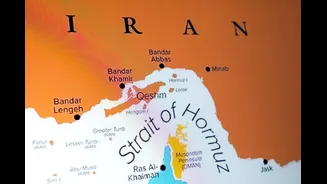
America has been conducting fresh air strikes on Iran ahead of Donald Trump’s Tuesday deadline.
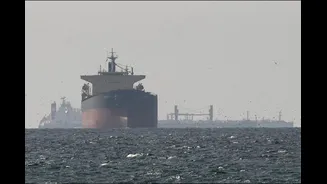
Trump on Monday had warned of a fresh round of strikes on Iran if the Strait of Hormuz was not reopened. He said that every bridge and power plant in Iran would be "decimated" and that very little is off-limits.
Now there are reports that the United States has conducted strikes on Kharg Island as well as infrastructure, including railways, in Iran. Trump has issued an ominous threat, warning that “a whole civilisation will die tonight”.
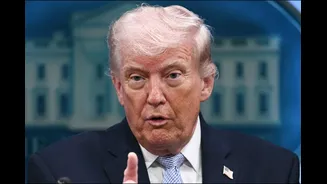
“A whole civilisation will die tonight, never to be brought back again. I don’t want that to happen, but it probably will,” Trump wrote on Truth Social. “However, now that we have Complete and Total Regime Change, where different, smarter, and less radicalised minds prevail, maybe something revolutionarily wonderful can happen, WHO KNOWS? We will find out tonight, one of the most important moments in the long and complex history of the world. 47 years of extortion, corruption, and death will finally end. God Bless the Great People of Iran!”
But what do we know? What is being targeted? What is Iran saying?
Let’s take a closer look
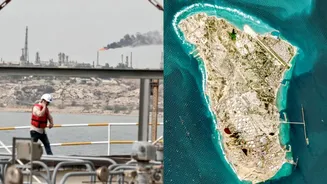
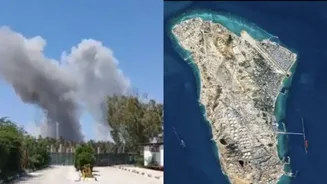
According to CNN, the US has hit military targets on Iran’s Kharg Island, which is located around 25 kilometres off Iran’s coast. The island, which is home to Iran’s main crude oil export terminal, handles almost all of the country’s oil exports.
The development was confirmed by both Iranian state news agency Mehr and US outlet Axios. Mehr reported “several explosions” but gave no further details.
Senior US officials told Fox News that the US had targeted bunkers, radar stations, and ammunition storage facilities. The
Wall Street Journal has reported that America struck over 50 targets on Kharg Island.
The United States previously targeted Kharg Island on March 13. US Central Command (CENTCOM) claimed it had hit 90 targets, including “naval mine storage facilities, missile storage bunkers, and multiple other military sites.”
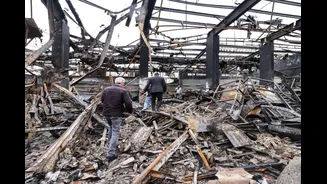
Reuters quoted Nournews as saying that electricity supply was disrupted in parts of Iran’s Karaj after projectiles from strikes hit transmission lines. The outlet also quoted Iranian media as saying that nine were left dead and 15 injured after explosive projectiles hit a residential building in Iran’s Shahriar city.
According to CNN, railways in different parts of Iran have also been targeted. BBC quoted Iranian state-run news agency IRNA as reporting that a strike on a railway bridge in Iran's Kashan city has left two dead and injured three others. The outlet quoted Akbar Salehi, the deputy security officer of the governor of Isfahan, as saying the Yahya Abad railway bridge in the city had been attacked.
Iran's Fars news agency says railway services have been cancelled in northeastern Iran’s Mashhad. The governor of Mashhad was quoted as saying trains will cease "until further notice" as a precaution.
Israel had earlier warned Iranian citizens to avoid using public transport, including railways. Trump has vowed to demolish Iranian infrastructure if Tehran refused to reopen the Strait of Hormuz.
Iran is saying that the gloves are off and that the time for restraint has passed.
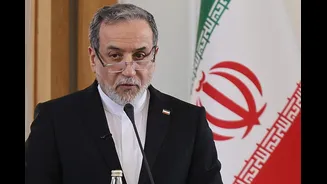
According to BBC, Iran's Islamic Revolutionary Guard Corps (IRGC), in a statement, said it has shown "considerable restraint" and "exercised care in selecting targets for retaliation" against the US and its regional partners.
"From this point forward, all such considerations will be set aside." It also warned that if the US military "crosses red lines, our response will go beyond the region". It added that it will target the US and its partners' infrastructure in a manner that would disrupt regional oil and gas supplies for years.
Ebrahim Rezaei, a spokesperson for Iran’s parliamentary national security committee, last week had warned, “Any attack on Kharg Island will be met with a decisive response, and anyone who attacks this island will not return alive.”
The oil export terminal has been running since the 1960s, when it was established by Iran with help from the US oil company Amoco. According to the Financial Times, the island can load up to 7 million barrels of crude oil per day. It accounts for 90 per cent of Iran’s oil exports.
According to the Economic Times, it is connected to major oil fields in southern Iran via undersea pipelines. The island’s long jetties, which stretch out into deep water, allow supertankers to load crude. The island is also home to massive storage and housing facilities for workers.
Meanwhile, US Vice President JD Vance, while acknowledging the latest US strikes on Kharg Island, said they did not mark “a change in strategy”. “My understanding, having talked to Pete [Hegseth] and General Caine about this, is that we were going to strike some military targets on Kharg Island. I believe we have done so,” Vance said, as per
CNN.
Axios quoted Vance as saying that the conflict’s military objectives have been met and that the Iran war will conclude shortly.
It remains to be seen what Trump will do after his deadline passes. However, the outlet quoted a senior US official as saying that Trump is the most hawkish person in his administration. “The president is the most bloodthirsty, like a mad dog," a US official said. The official played down reports that Defence Secretary Pete Hegseth or Secretary of State Marco Rubio were egging him on. "Those guys sound like the doves compared to the president."
1) Why is Kharg Island important to Iran?
Kharg Island is Iran’s main oil export hub, handling around 90 per cent of the country’s crude exports.
2) What infrastructure has been targeted in the strikes?
The US has reportedly targeted military sites, railways, radar stations, ammunition depots, and energy infrastructure including transmission lines.
3) What has Iran said in response?
Iran has warned it will no longer exercise restraint and could target US and allied infrastructure, potentially disrupting global oil and gas supplies.
With inputs from agencies
Trump on Monday had warned of a fresh round of strikes on Iran if the Strait of Hormuz was not reopened. He said that every bridge and power plant in Iran would be "decimated" and that very little is off-limits.
Now there are reports that the United States has conducted strikes on Kharg Island as well as infrastructure, including railways, in Iran. Trump has issued an ominous threat, warning that “a whole civilisation will die tonight”.
“A whole civilisation will die tonight, never to be brought back again. I don’t want that to happen, but it probably will,” Trump wrote on Truth Social. “However, now that we have Complete and Total Regime Change, where different, smarter, and less radicalised minds prevail, maybe something revolutionarily wonderful can happen, WHO KNOWS? We will find out tonight, one of the most important moments in the long and complex history of the world. 47 years of extortion, corruption, and death will finally end. God Bless the Great People of Iran!”
But what do we know? What is being targeted? What is Iran saying?
Let’s take a closer look
What is being targeted?
According to CNN, the US has hit military targets on Iran’s Kharg Island, which is located around 25 kilometres off Iran’s coast. The island, which is home to Iran’s main crude oil export terminal, handles almost all of the country’s oil exports.
The development was confirmed by both Iranian state news agency Mehr and US outlet Axios. Mehr reported “several explosions” but gave no further details.
Senior US officials told Fox News that the US had targeted bunkers, radar stations, and ammunition storage facilities. The
The United States previously targeted Kharg Island on March 13. US Central Command (CENTCOM) claimed it had hit 90 targets, including “naval mine storage facilities, missile storage bunkers, and multiple other military sites.”
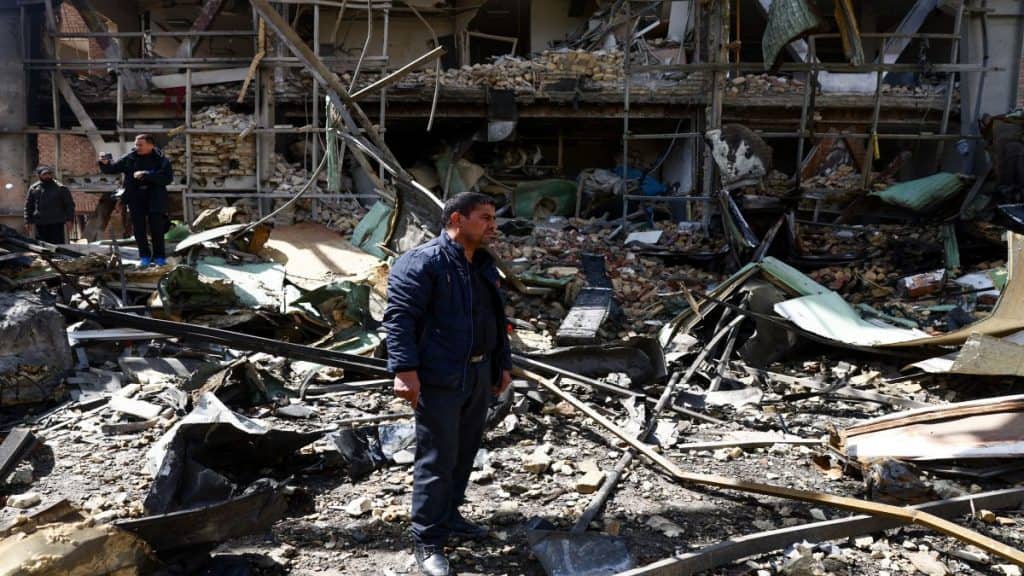
People inspect the damage at the research building of the Shahid Beheshti University, which was damaged by a strike, amid the US-Israeli conflict with Iran, in Tehran, Iran. Reuters
Reuters quoted Nournews as saying that electricity supply was disrupted in parts of Iran’s Karaj after projectiles from strikes hit transmission lines. The outlet also quoted Iranian media as saying that nine were left dead and 15 injured after explosive projectiles hit a residential building in Iran’s Shahriar city.
According to CNN, railways in different parts of Iran have also been targeted. BBC quoted Iranian state-run news agency IRNA as reporting that a strike on a railway bridge in Iran's Kashan city has left two dead and injured three others. The outlet quoted Akbar Salehi, the deputy security officer of the governor of Isfahan, as saying the Yahya Abad railway bridge in the city had been attacked.
Iran's Fars news agency says railway services have been cancelled in northeastern Iran’s Mashhad. The governor of Mashhad was quoted as saying trains will cease "until further notice" as a precaution.
Israel had earlier warned Iranian citizens to avoid using public transport, including railways. Trump has vowed to demolish Iranian infrastructure if Tehran refused to reopen the Strait of Hormuz.
What is Iran saying?
Iran is saying that the gloves are off and that the time for restraint has passed.
According to BBC, Iran's Islamic Revolutionary Guard Corps (IRGC), in a statement, said it has shown "considerable restraint" and "exercised care in selecting targets for retaliation" against the US and its regional partners.
"From this point forward, all such considerations will be set aside." It also warned that if the US military "crosses red lines, our response will go beyond the region". It added that it will target the US and its partners' infrastructure in a manner that would disrupt regional oil and gas supplies for years.
Ebrahim Rezaei, a spokesperson for Iran’s parliamentary national security committee, last week had warned, “Any attack on Kharg Island will be met with a decisive response, and anyone who attacks this island will not return alive.”
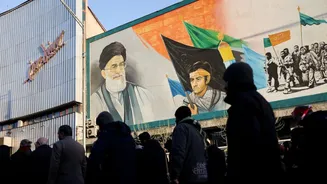
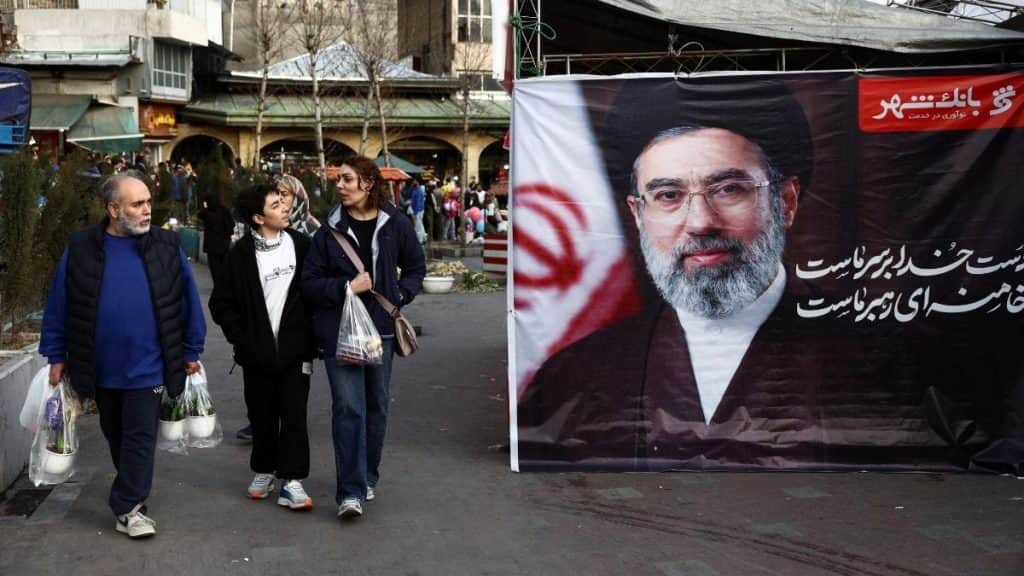
People walk next to a banner with a picture of Iran's new Supreme Leader, Mojtaba Khamenei, at Tajrish Bazaar, ahead of Nowruz, the Iranian New Year, amid the US-Israeli conflict with Iran, in Tehran, Iran, March 19, 2026. File Image/WANA via Reuters
The oil export terminal has been running since the 1960s, when it was established by Iran with help from the US oil company Amoco. According to the Financial Times, the island can load up to 7 million barrels of crude oil per day. It accounts for 90 per cent of Iran’s oil exports.
According to the Economic Times, it is connected to major oil fields in southern Iran via undersea pipelines. The island’s long jetties, which stretch out into deep water, allow supertankers to load crude. The island is also home to massive storage and housing facilities for workers.
Meanwhile, US Vice President JD Vance, while acknowledging the latest US strikes on Kharg Island, said they did not mark “a change in strategy”. “My understanding, having talked to Pete [Hegseth] and General Caine about this, is that we were going to strike some military targets on Kharg Island. I believe we have done so,” Vance said, as per
Axios quoted Vance as saying that the conflict’s military objectives have been met and that the Iran war will conclude shortly.
It remains to be seen what Trump will do after his deadline passes. However, the outlet quoted a senior US official as saying that Trump is the most hawkish person in his administration. “The president is the most bloodthirsty, like a mad dog," a US official said. The official played down reports that Defence Secretary Pete Hegseth or Secretary of State Marco Rubio were egging him on. "Those guys sound like the doves compared to the president."
FAQs
1) Why is Kharg Island important to Iran?
Kharg Island is Iran’s main oil export hub, handling around 90 per cent of the country’s crude exports.
2) What infrastructure has been targeted in the strikes?
The US has reportedly targeted military sites, railways, radar stations, ammunition depots, and energy infrastructure including transmission lines.
3) What has Iran said in response?
Iran has warned it will no longer exercise restraint and could target US and allied infrastructure, potentially disrupting global oil and gas supplies.
With inputs from agencies