









What is the story about?
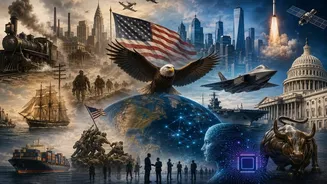
For 250 years, the United States has been one of the defining forces in global history. Its journey has not simply been one of uninterrupted ascent or inevitable decline. Instead, America's story is one of constant reinvention, shaped by wars, technological revolutions, economic transformations and geopolitical competition.
From an industrial economy that overtook Europe in the late nineteenth century to the architect of the post-war international order and today's competition with a rising China, each phase has reshaped Washington's role in the world.
Even as new centres of power emerge, many of the institutions, technologies and alliances built by the US continue to influence global politics and economics.
As America marks 250 years of independence, these are 15 moments that explain how its place in the international system has evolved.
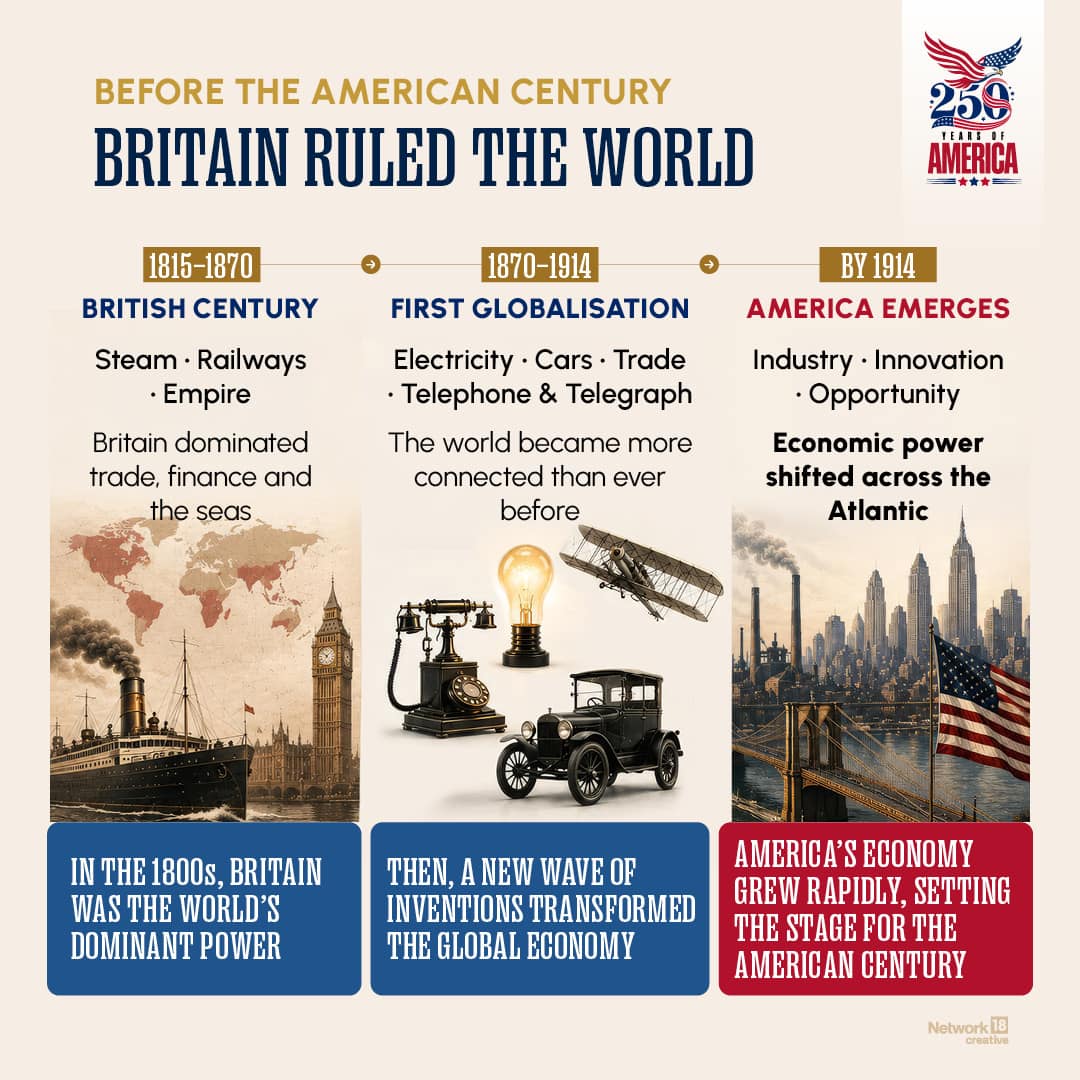
Before America became the world's leading power, Britain dominated global trade and finance. The rules of international commerce, finance and maritime security were largely written in London.
This period also created the conditions for America's emergence. New technologies such as railways, telegraphs and expanding trade networks connected markets across continents. As Britain led the first wave of globalisation, the US quietly built the economic foundations that would later transform global power.
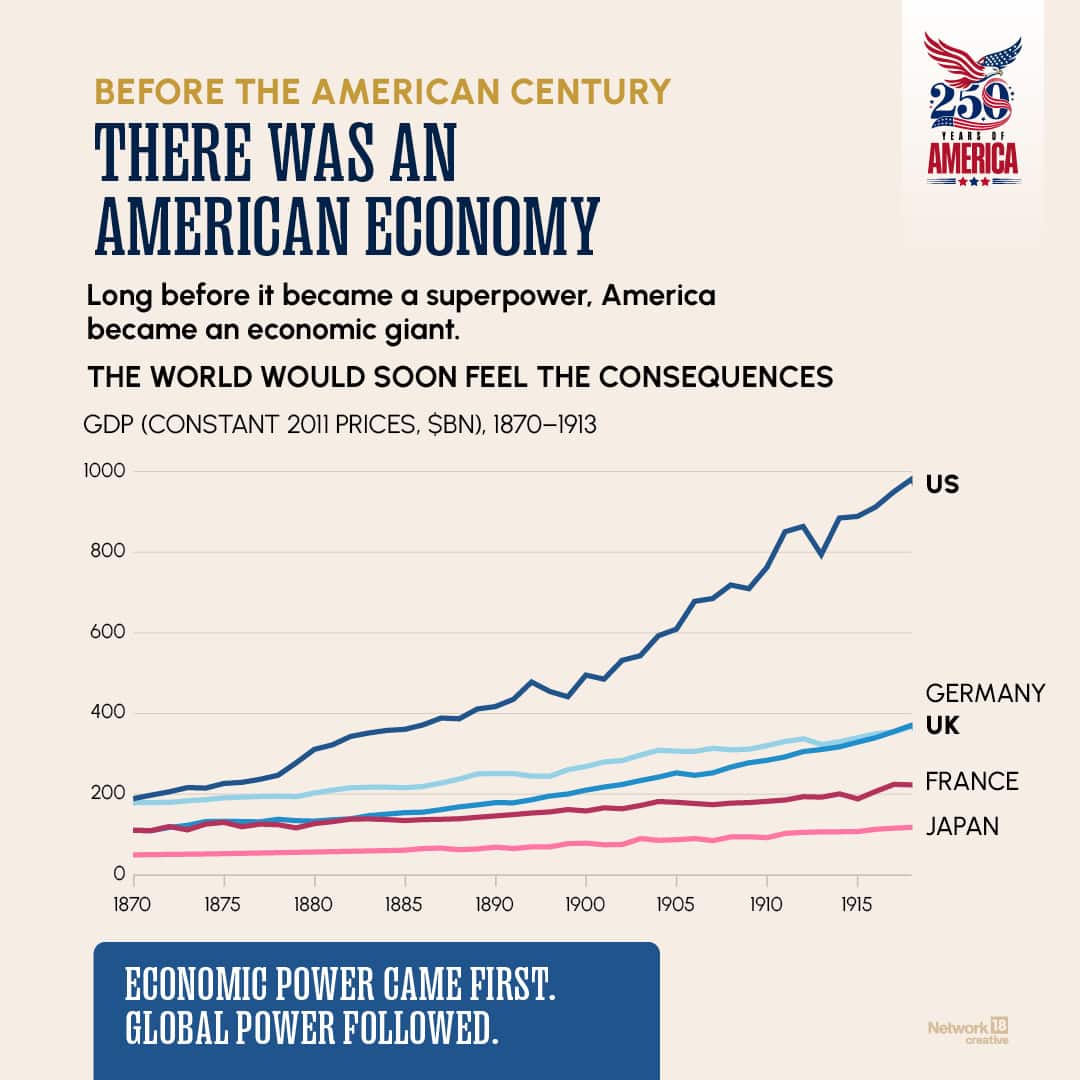
America's rise began in factories rather than battlefields. Between 1870 and the First World War (1914), rapid industrialisation, abundant natural resources, immigration and innovation turned the US into the world's largest economy.
Economic strength came well before geopolitical dominance. By the early twentieth century, American production had surpassed that of Britain and several European powers. This industrial capacity would later become the basis of military power, technological leadership and global influence.
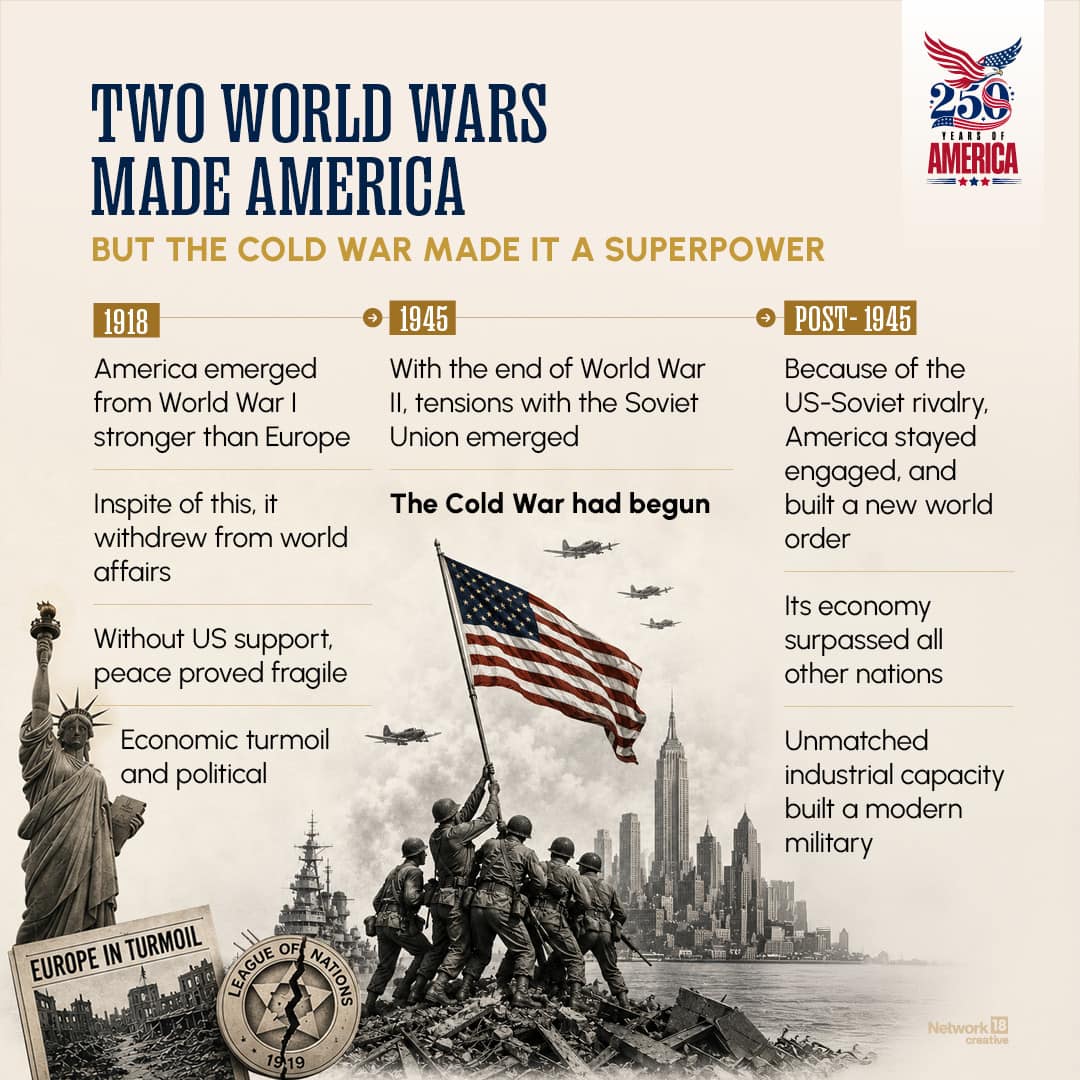
The first and second World Wars shifted the centre of global power away from Europe. While much of Europe emerged devastated, the US became stronger economically and militarily.
After the first World War, Washington largely retreated from global affairs. But it fundamentally changed this approach after the second World War. America chose to remain engaged internationally, helping build institutions and alliances that would define the post-war era.
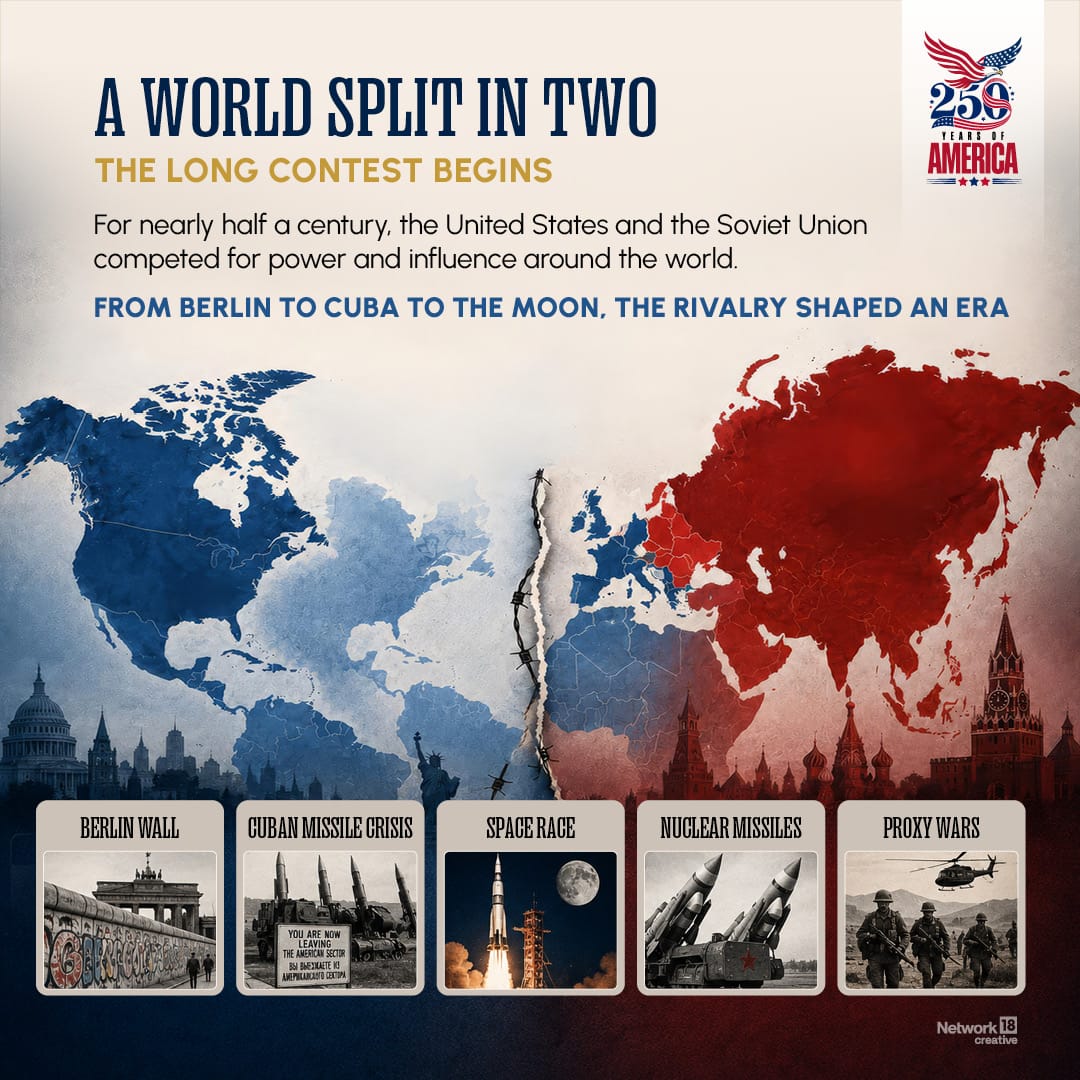
The rivalry with the Soviet Union shaped nearly half a century of international politics. Military competition, ideological rivalry, proxy conflicts, the space race and nuclear deterrence became defining features of the era.
The US established military alliances, expanded its diplomatic reach and positioned itself as one of the two pillars of a bipolar world.
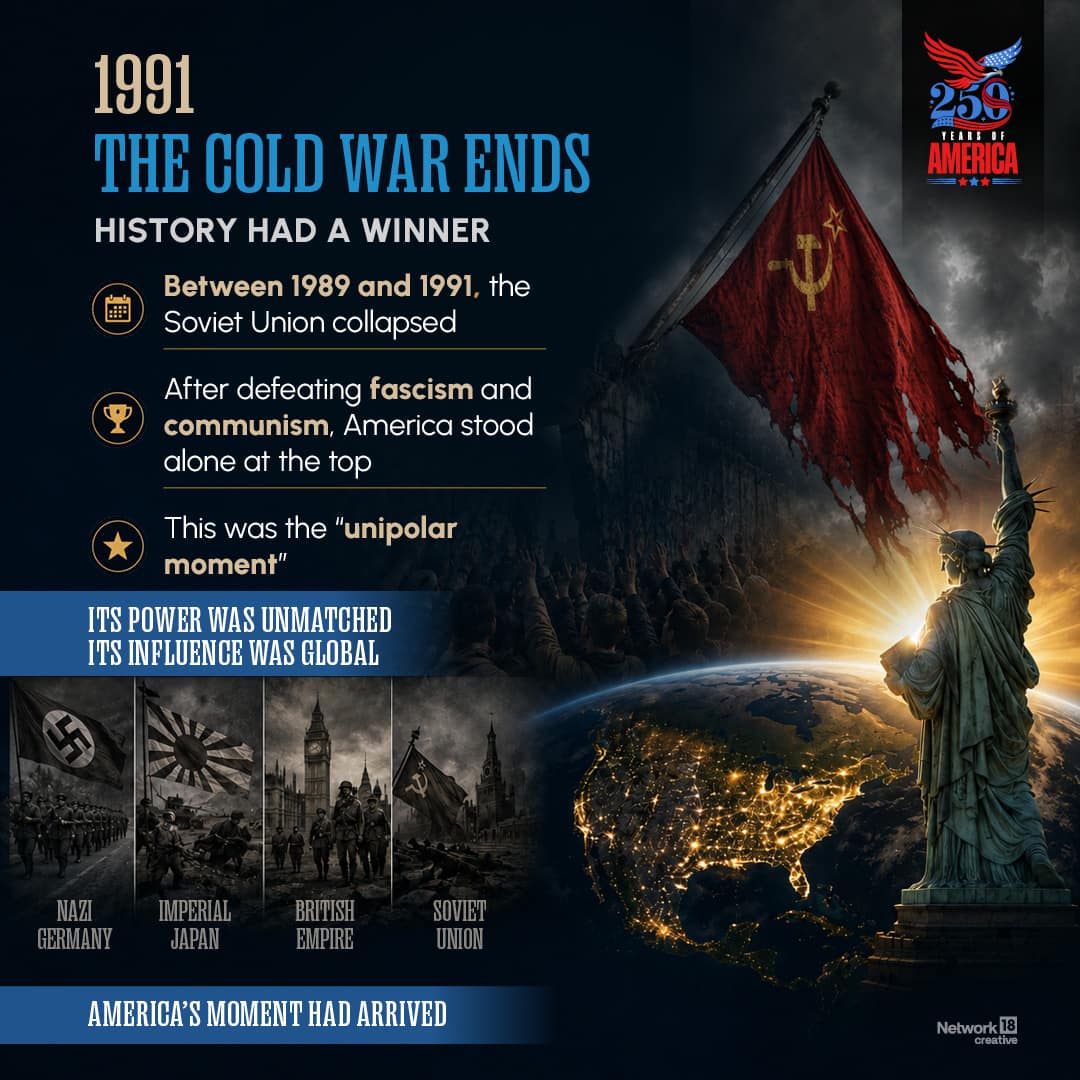
The collapse of the Soviet Union between 1989 and 1991 left the US without a comparable rival. After outlasting the Soviet bloc, America entered what many described as the "unipolar moment."
Its military, economy, technology and diplomatic influence were unmatched.
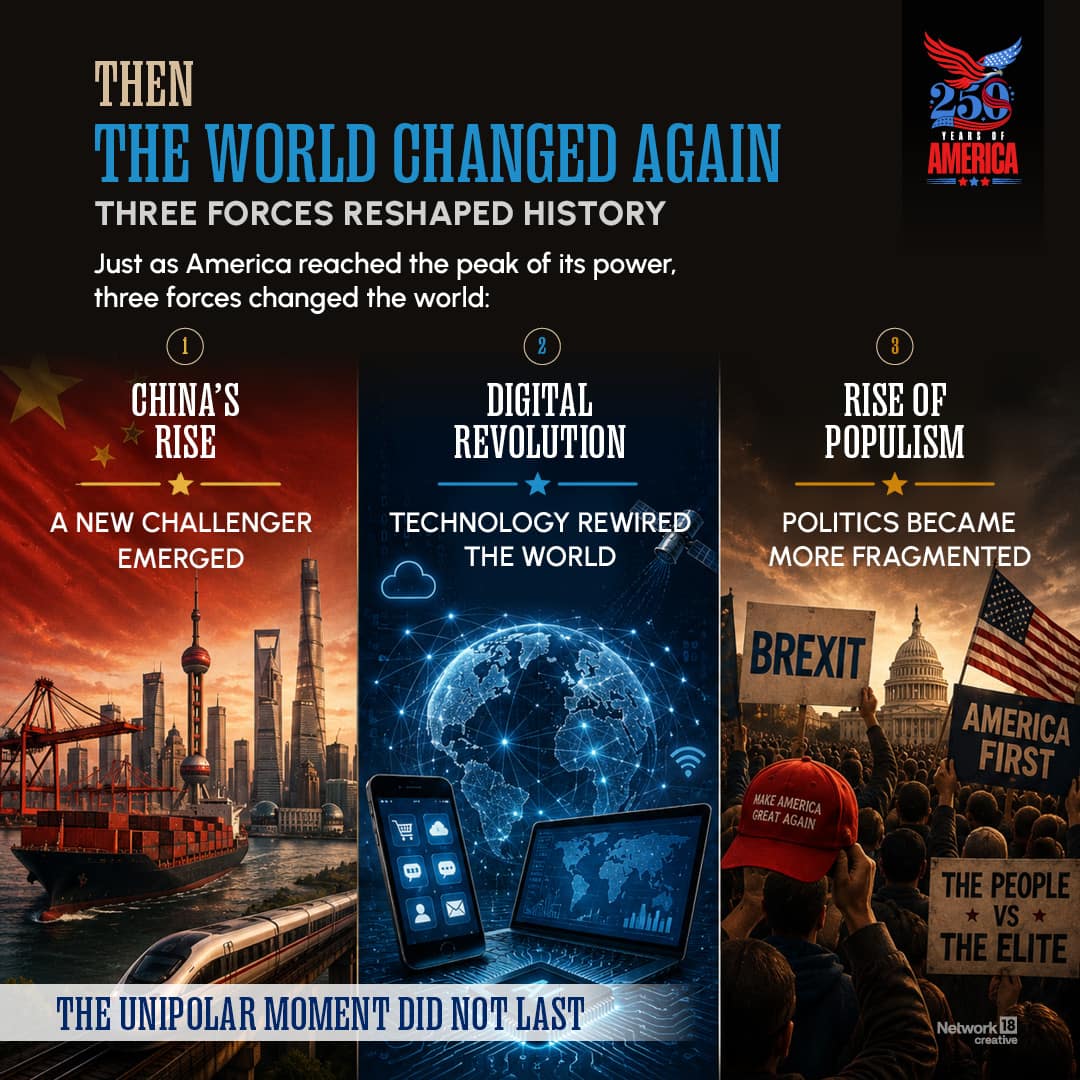
Just as America reached the peak of its influence, three major forces began changing the global landscape: China's rise, the digital revolution and growing political fragmentation.
Technology transformed communication and commerce, while domestic politics in many countries became more polarised. Together, these developments created a more complex international environment than the one that existed immediately after the Cold War.
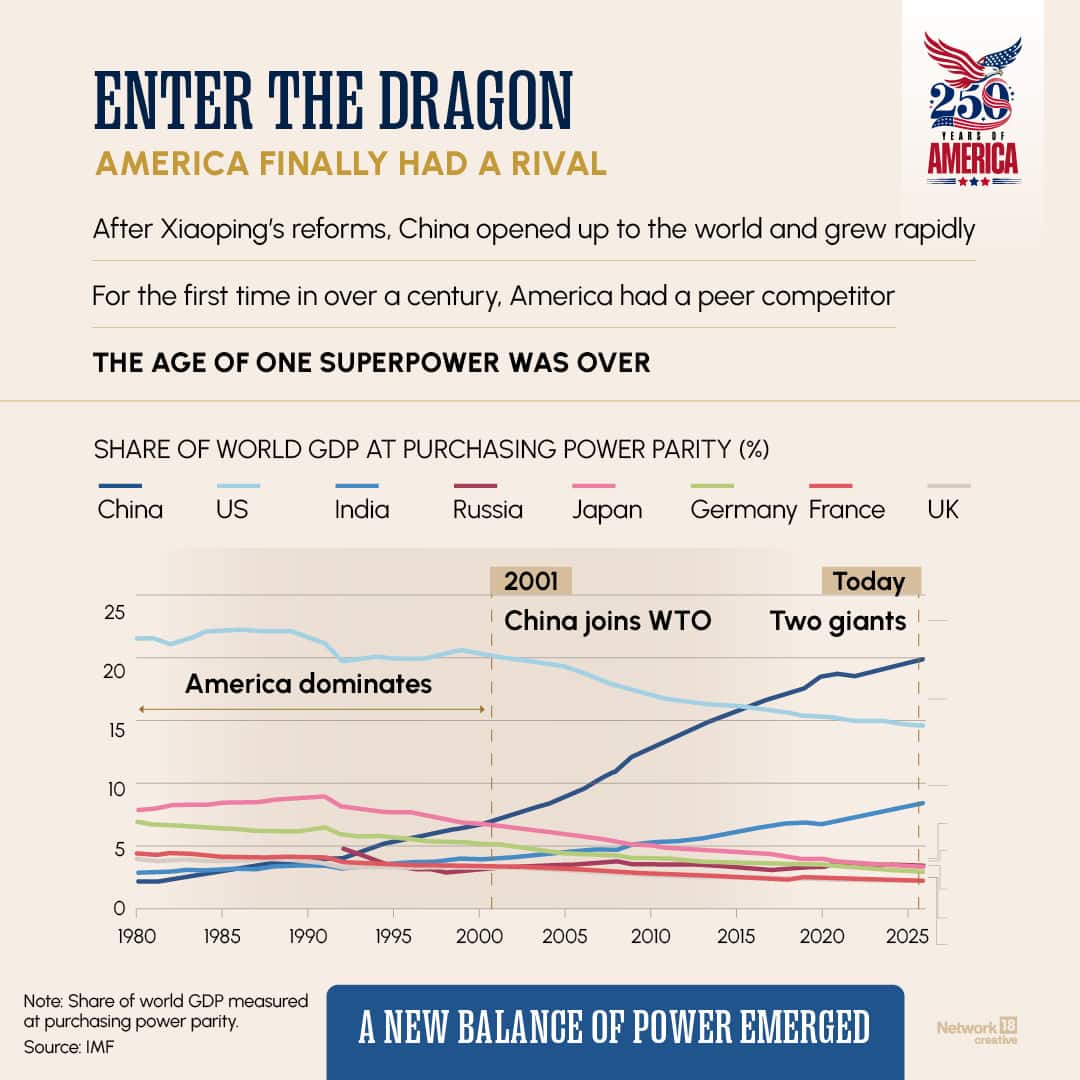
China's economic reforms and integration into global markets created the first serious peer competitor to the US in decades. Following its entry into the World Trade Organization in 2001, China's economic expansion accelerated rapidly.
The result was a gradual shift from a world dominated by one superpower towards one increasingly characterised by strategic competition between two major powers.
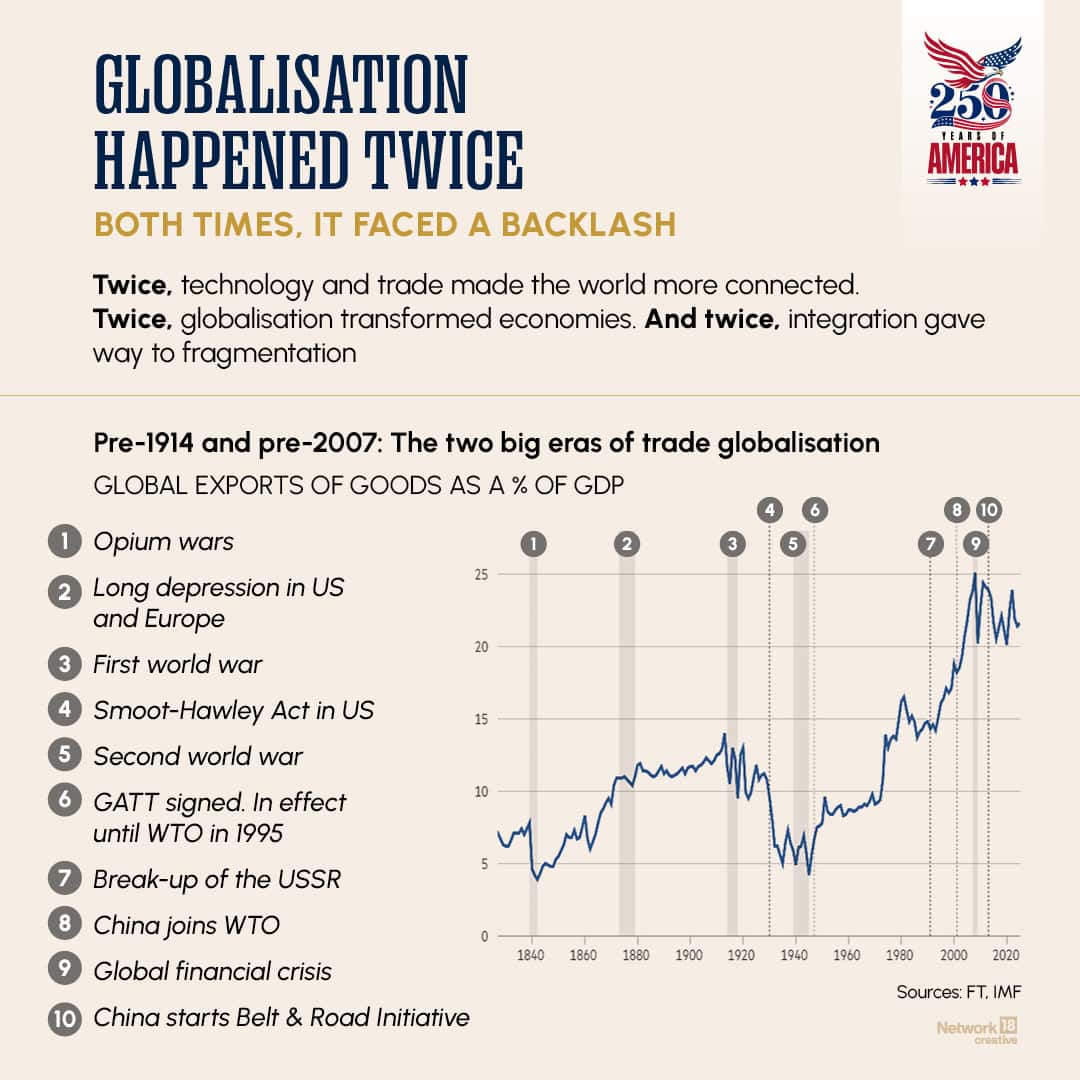
There were similarities between two great eras of globalisation: the decades before the First World War and the period before the 2008 financial crisis.
In both cases, expanding trade and technological advances increased global integration. Yet both periods also produced economic anxieties and political backlash.
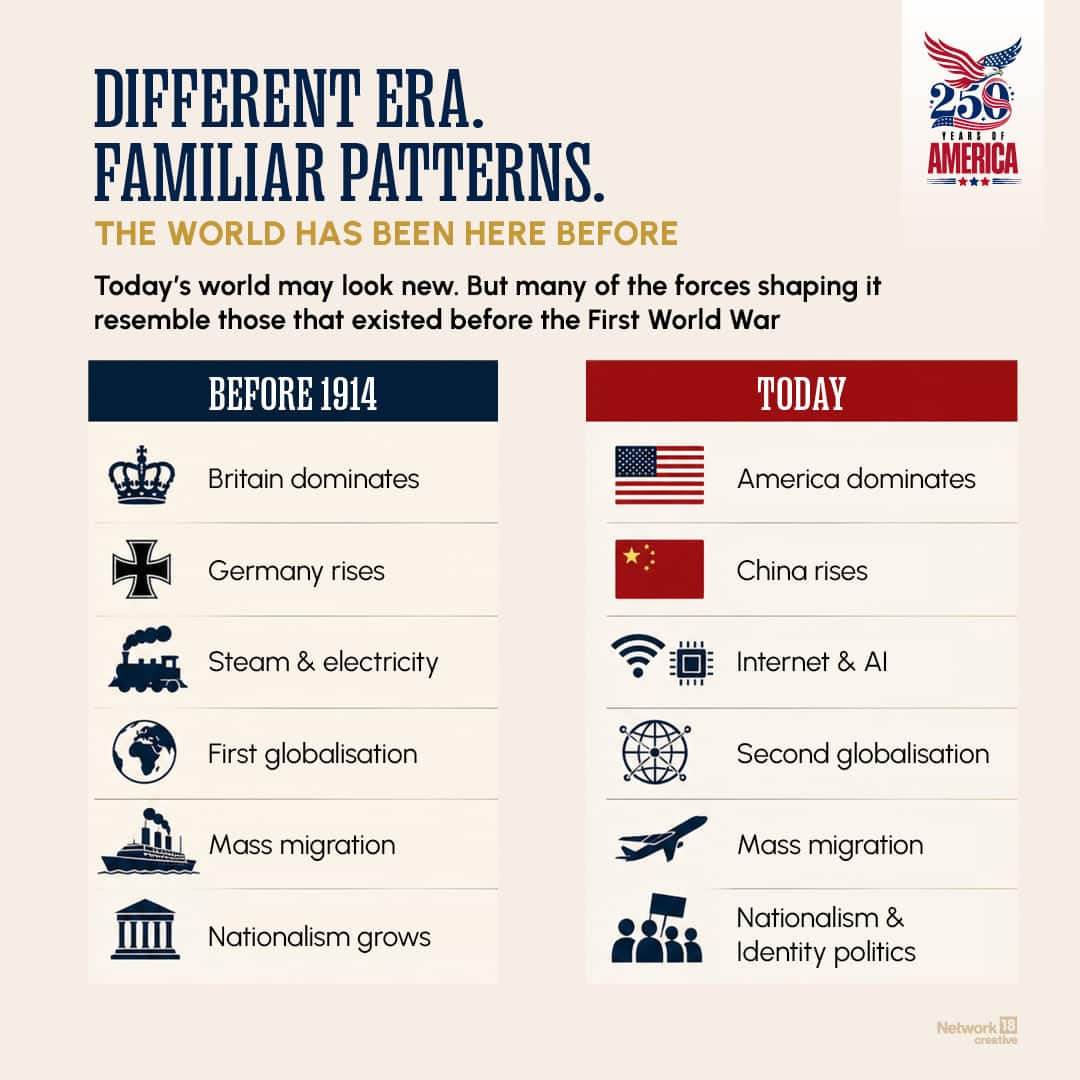
Many of today's geopolitical trends resemble those seen before 1914. Then, Britain was the dominant power while Germany was rising. Today, America occupies the leading position while China is the emerging challenger.
Rapid technological change, migration, economic integration and rising nationalism have again become defining features of international politics.
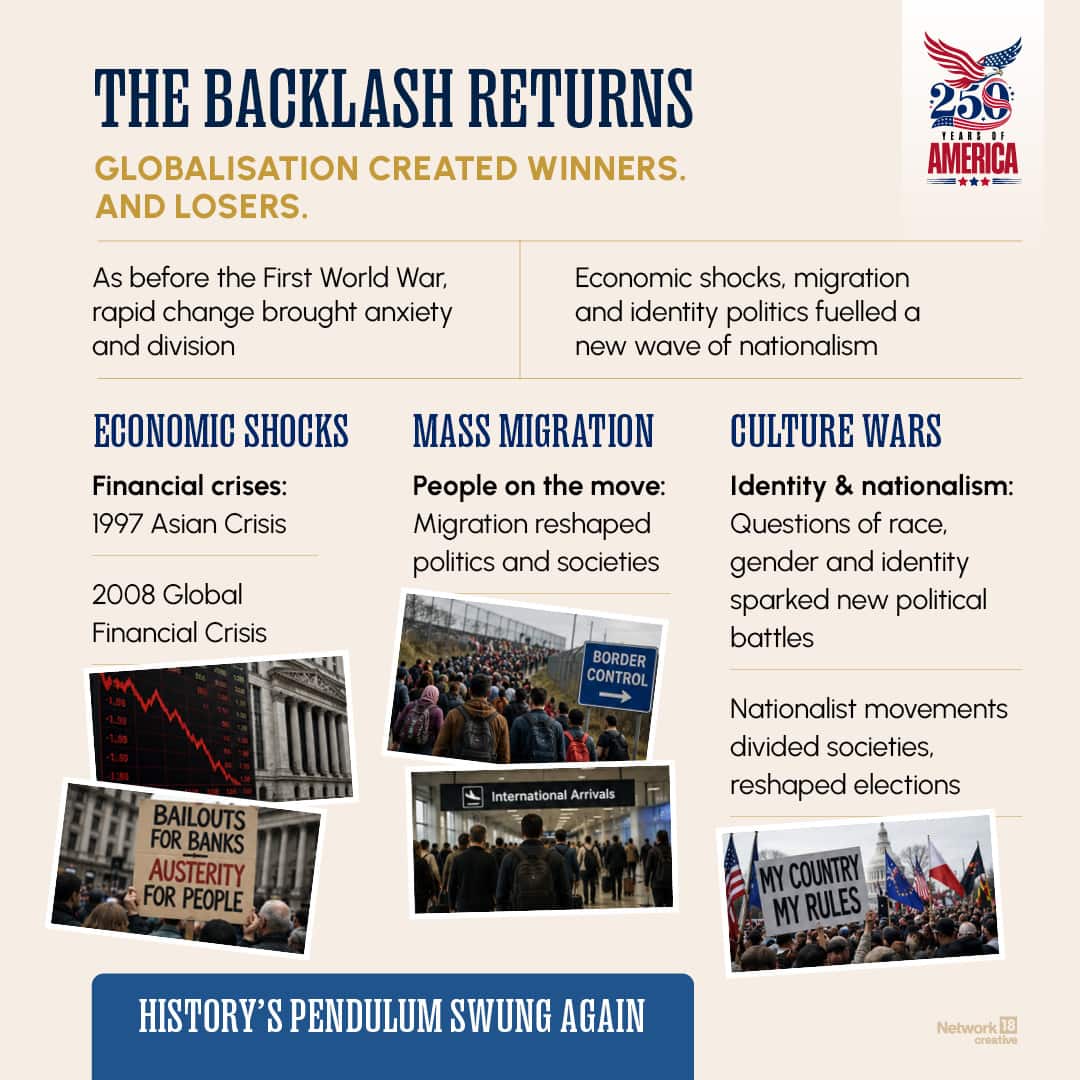
Economic shocks such as the Asian financial crisis and the 2008 global financial crisis fuelled dissatisfaction with globalisation. Migration, identity politics and cultural debates added new sources of political division.
Many societies witnessed growing nationalism and demands for stronger national control over trade, borders and domestic policies.
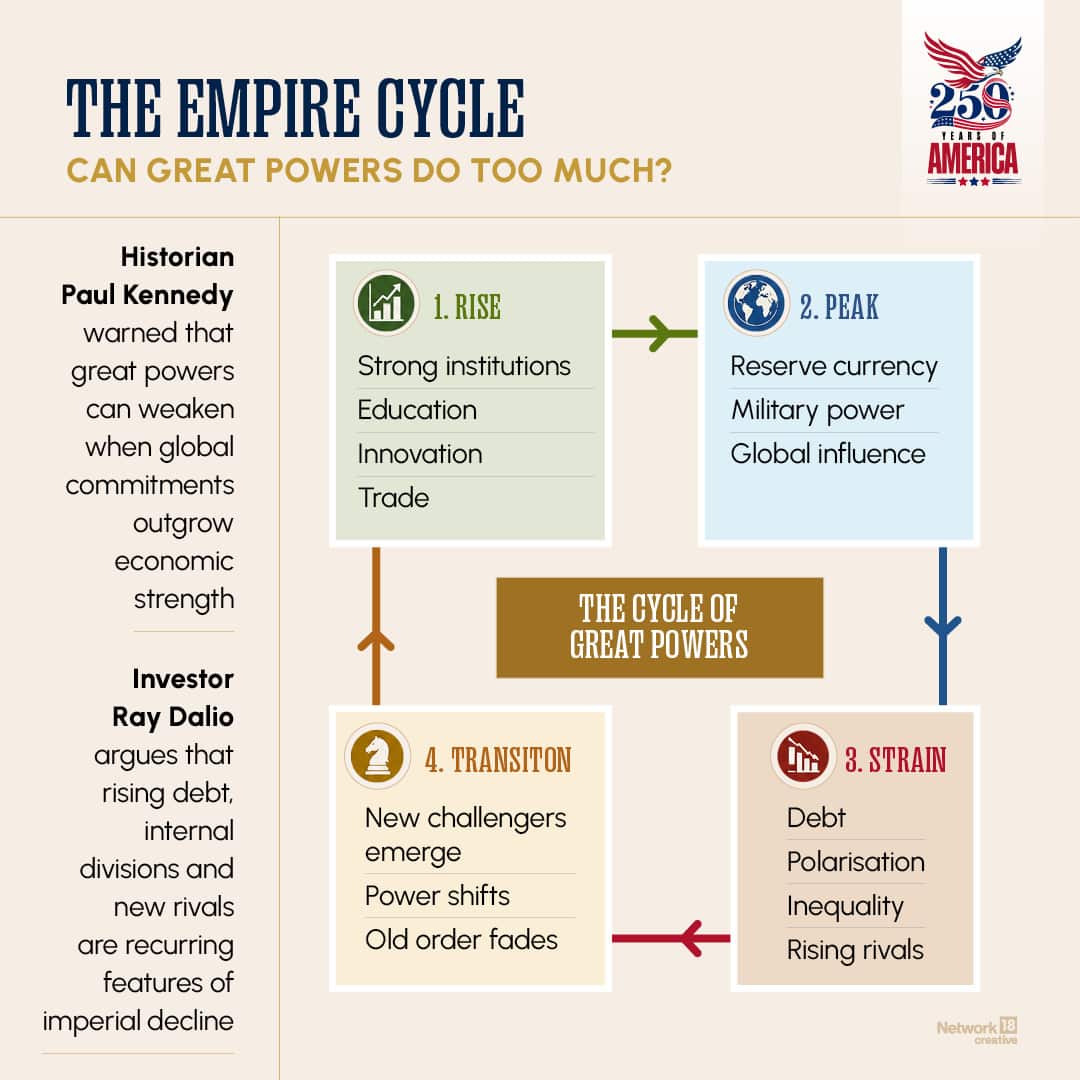
Historian Paul Kennedy and investor Ray Dalio have argued that major powers often face recurring challenges as they mature.
Debt, political polarisation, inequality and the rise of new competitors can test established powers.
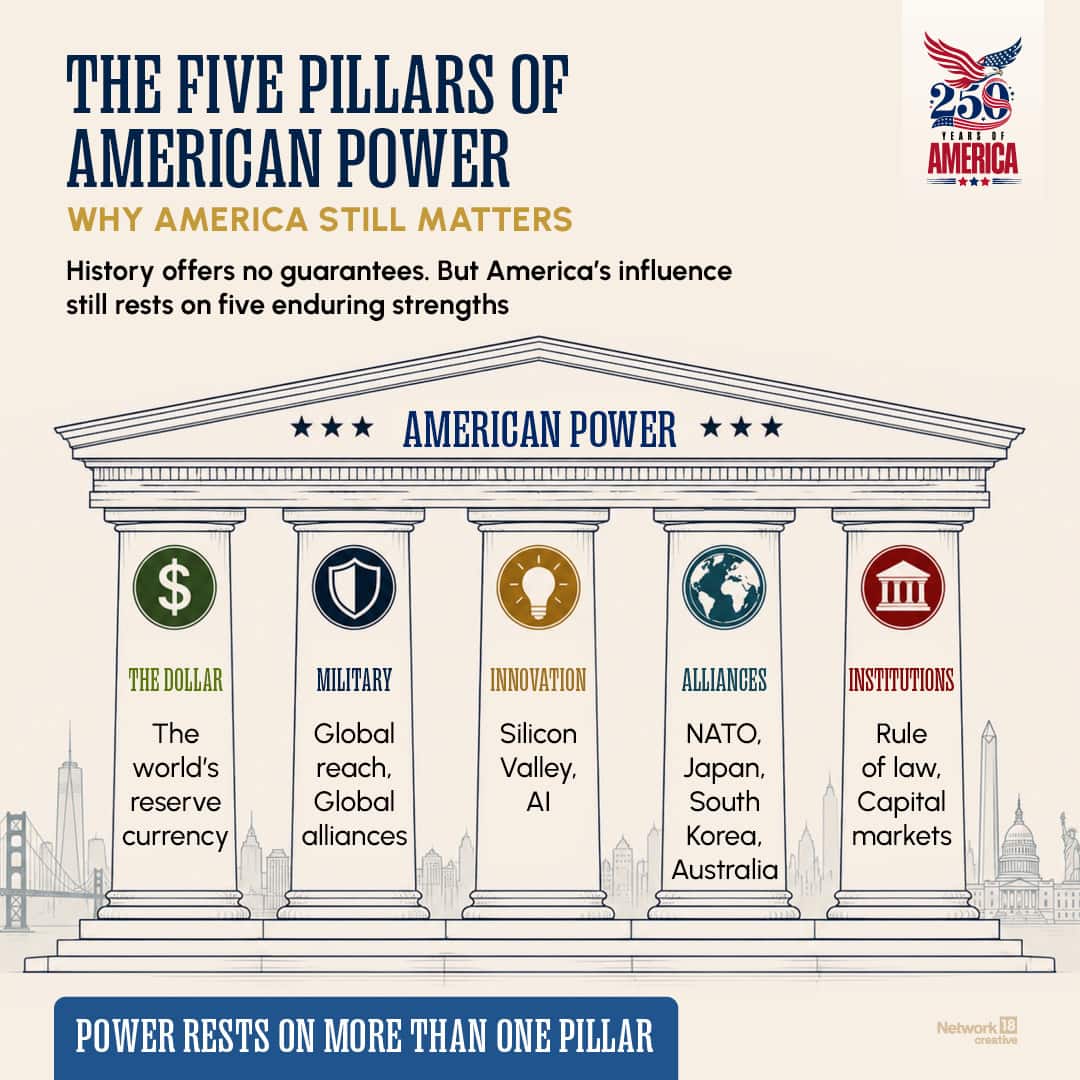
Despite increasing competition, the US continues to benefit from several enduring advantages. These include the dollar's role as the world's reserve currency, technological innovation, strong institutions, deep capital markets and an extensive alliance network.
Together, these factors provide resilience and explain why American influence continues to extend far beyond its economic size alone.
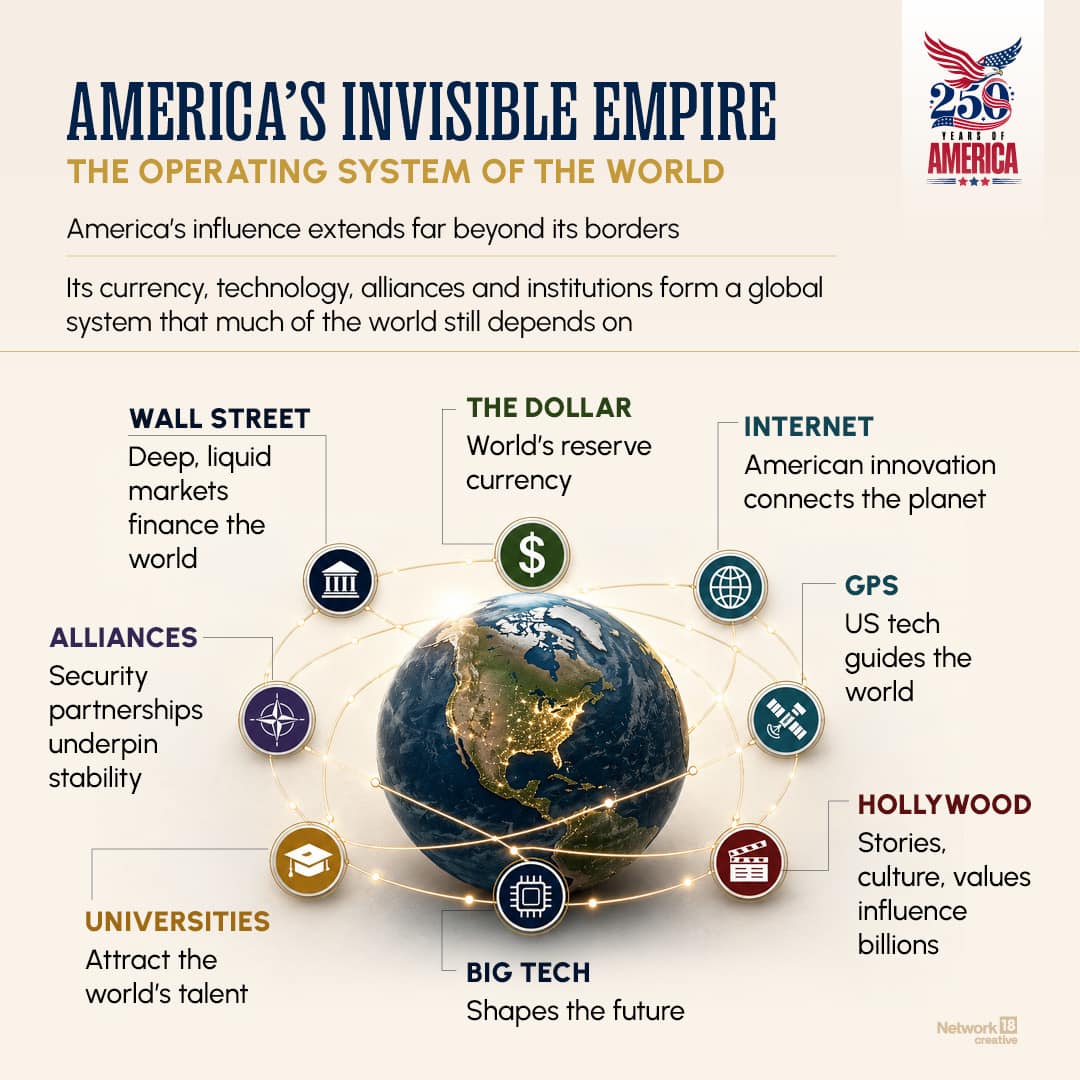
Much of the global economy continues to rely on systems built or led by the US. The dollar remains central to international finance, American technology companies shape digital infrastructure, and US universities, cultural influence and security partnerships retain global reach.
These networks form an "invisible" architecture that continues to influence countries even where American political influence may be contested.
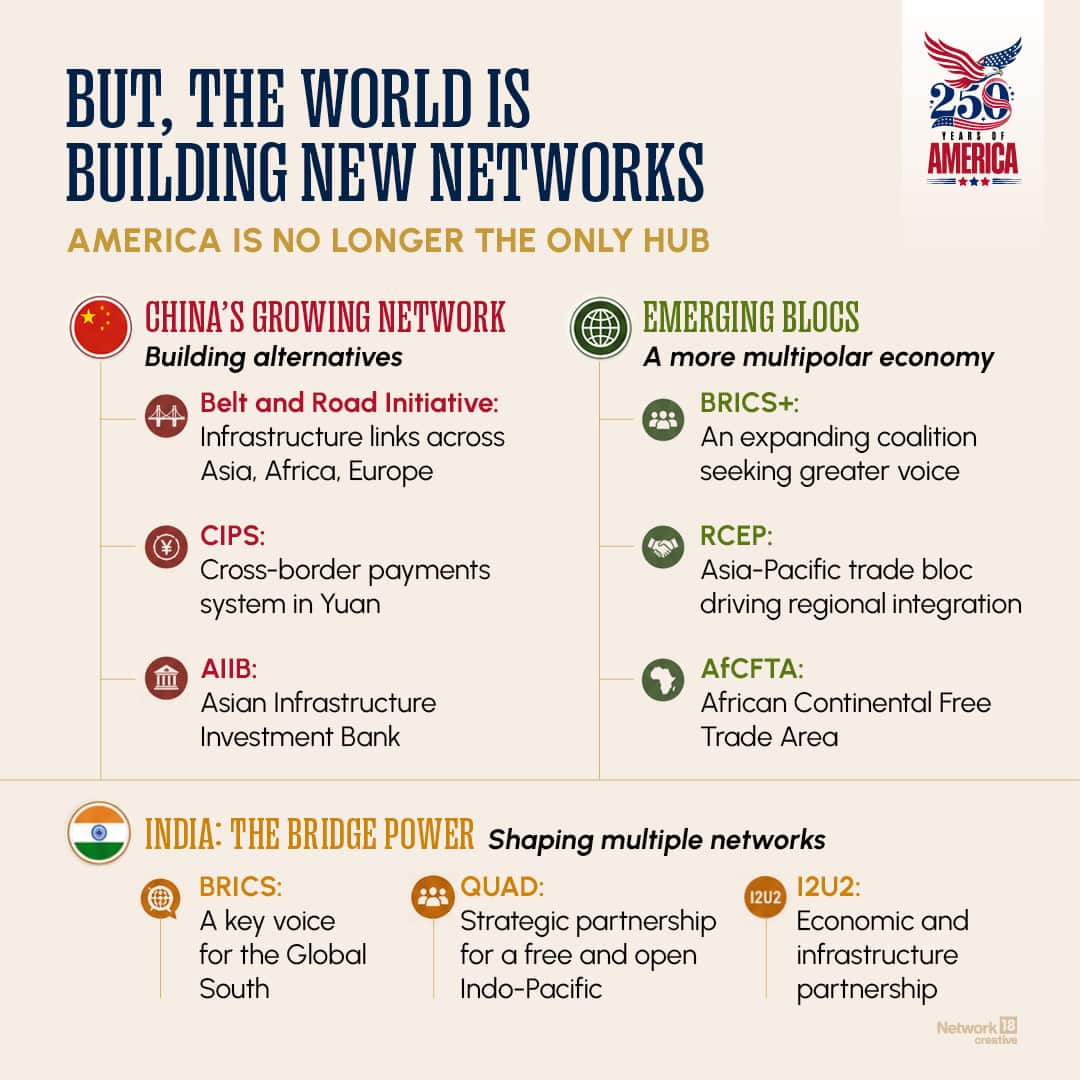
While America remains influential, new institutions and partnerships are taking shape. China has expanded initiatives such as the Belt and Road Initiative and the Asian Infrastructure Investment Bank, while forums like Brics, Quad, I2U2, RCEP and the African Continental Free Trade Area illustrate a more diversified international system.
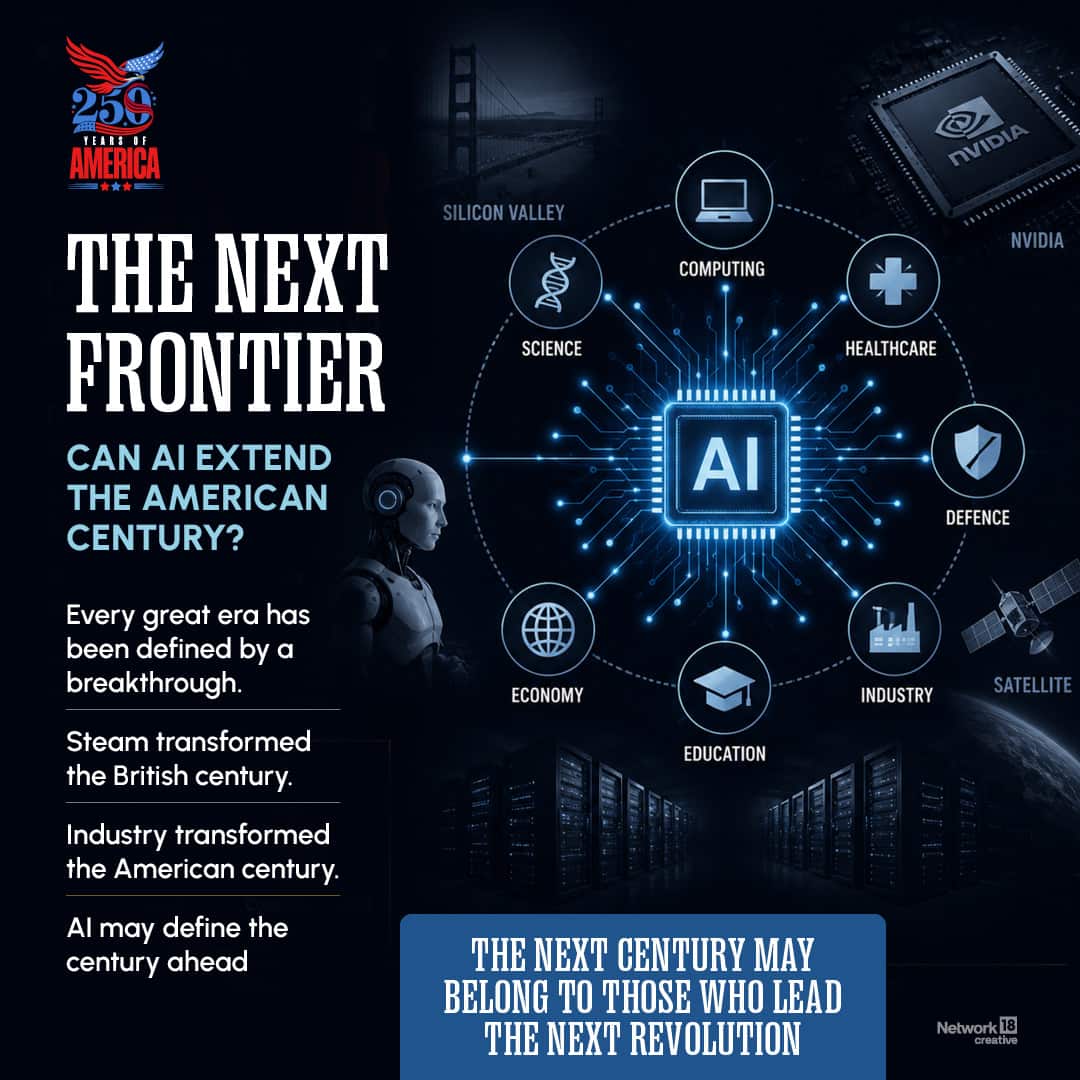
Every major geopolitical era has been shaped by transformative technologies. Steam power underpinned Britain's dominance, while industrialisation helped establish America's leadership.
Artificial intelligence may become the defining technology of the twenty-first century. Whether the US can maintain leadership in this new technological revolution may significantly influence its role in the evolving global order. As history has shown, America's trajectory has often been defined not by permanence but by its ability to adapt.
From an industrial economy that overtook Europe in the late nineteenth century to the architect of the post-war international order and today's competition with a rising China, each phase has reshaped Washington's role in the world.
Even as new centres of power emerge, many of the institutions, technologies and alliances built by the US continue to influence global politics and economics.
As America marks 250 years of independence, these are 15 moments that explain how its place in the international system has evolved.
1. Britain's century laid the foundation
Before America became the world's leading power, Britain dominated global trade and finance. The rules of international commerce, finance and maritime security were largely written in London.
This period also created the conditions for America's emergence. New technologies such as railways, telegraphs and expanding trade networks connected markets across continents. As Britain led the first wave of globalisation, the US quietly built the economic foundations that would later transform global power.
2. America became an industrial giant before becoming a superpower
America's rise began in factories rather than battlefields. Between 1870 and the First World War (1914), rapid industrialisation, abundant natural resources, immigration and innovation turned the US into the world's largest economy.
Economic strength came well before geopolitical dominance. By the early twentieth century, American production had surpassed that of Britain and several European powers. This industrial capacity would later become the basis of military power, technological leadership and global influence.
3. The World Wars transformed America's global role
The first and second World Wars shifted the centre of global power away from Europe. While much of Europe emerged devastated, the US became stronger economically and militarily.
After the first World War, Washington largely retreated from global affairs. But it fundamentally changed this approach after the second World War. America chose to remain engaged internationally, helping build institutions and alliances that would define the post-war era.
4. The Cold War created a new world order
The rivalry with the Soviet Union shaped nearly half a century of international politics. Military competition, ideological rivalry, proxy conflicts, the space race and nuclear deterrence became defining features of the era.
The US established military alliances, expanded its diplomatic reach and positioned itself as one of the two pillars of a bipolar world.
5. The fall of the Soviet Union produced the unipolar moment
The collapse of the Soviet Union between 1989 and 1991 left the US without a comparable rival. After outlasting the Soviet bloc, America entered what many described as the "unipolar moment."
Its military, economy, technology and diplomatic influence were unmatched.
6. Three powerful forces reshaped the world again
Just as America reached the peak of its influence, three major forces began changing the global landscape: China's rise, the digital revolution and growing political fragmentation.
Technology transformed communication and commerce, while domestic politics in many countries became more polarised. Together, these developments created a more complex international environment than the one that existed immediately after the Cold War.
7. China's emergence altered the balance of power
China's economic reforms and integration into global markets created the first serious peer competitor to the US in decades. Following its entry into the World Trade Organization in 2001, China's economic expansion accelerated rapidly.
The result was a gradual shift from a world dominated by one superpower towards one increasingly characterised by strategic competition between two major powers.
8. Globalisation came in waves—and so did resistance
There were similarities between two great eras of globalisation: the decades before the First World War and the period before the 2008 financial crisis.
In both cases, expanding trade and technological advances increased global integration. Yet both periods also produced economic anxieties and political backlash.
9. History began to rhyme
Many of today's geopolitical trends resemble those seen before 1914. Then, Britain was the dominant power while Germany was rising. Today, America occupies the leading position while China is the emerging challenger.
Rapid technological change, migration, economic integration and rising nationalism have again become defining features of international politics.
10. The backlash against globalisation intensified
Economic shocks such as the Asian financial crisis and the 2008 global financial crisis fuelled dissatisfaction with globalisation. Migration, identity politics and cultural debates added new sources of political division.
Many societies witnessed growing nationalism and demands for stronger national control over trade, borders and domestic policies.
11. Every great power faces moments of strain
Historian Paul Kennedy and investor Ray Dalio have argued that major powers often face recurring challenges as they mature.
Debt, political polarisation, inequality and the rise of new competitors can test established powers.
12. America's strengths extend beyond military power
Despite increasing competition, the US continues to benefit from several enduring advantages. These include the dollar's role as the world's reserve currency, technological innovation, strong institutions, deep capital markets and an extensive alliance network.
Together, these factors provide resilience and explain why American influence continues to extend far beyond its economic size alone.
13. The world's operating system still carries an American imprint
Much of the global economy continues to rely on systems built or led by the US. The dollar remains central to international finance, American technology companies shape digital infrastructure, and US universities, cultural influence and security partnerships retain global reach.
These networks form an "invisible" architecture that continues to influence countries even where American political influence may be contested.
14. A more networked and multipolar world is emerging
While America remains influential, new institutions and partnerships are taking shape. China has expanded initiatives such as the Belt and Road Initiative and the Asian Infrastructure Investment Bank, while forums like Brics, Quad, I2U2, RCEP and the African Continental Free Trade Area illustrate a more diversified international system.
15. Artificial intelligence could define the next era
Every major geopolitical era has been shaped by transformative technologies. Steam power underpinned Britain's dominance, while industrialisation helped establish America's leadership.
Artificial intelligence may become the defining technology of the twenty-first century. Whether the US can maintain leadership in this new technological revolution may significantly influence its role in the evolving global order. As history has shown, America's trajectory has often been defined not by permanence but by its ability to adapt.