









What is the story about?
Central trade unions have launched a 24-hour nationwide strike, widely known as Bharat Bandh. They have called the protest to urge the Union government to repeal the four labour codes and roll back other policy decisions.
The protest has been organised by the ten central trade unions, including the All India Trade Union Congress (AITUC) and the Centre of Indian Trade Unions (CITU).
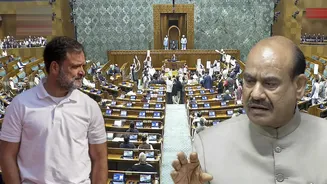
Congress MP Rahul Gandhi has backed the strike as Kerala faces an almost complete shutdown. Taking to social media platform X, Gandhi wrote, “Today, lakhs of labourers and farmers across the country are on the streets to raise their voice for their rights. Workers fear that the four labour codes will weaken their rights. Farmers fear that the trade agreement will hurt their livelihoods.”
Here is the list of states most affected by Bharat Bandh.
Kerala shuts down: Transport and commercial activity paralysed
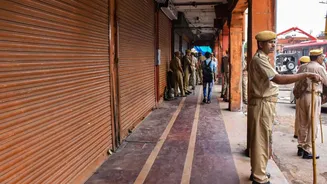
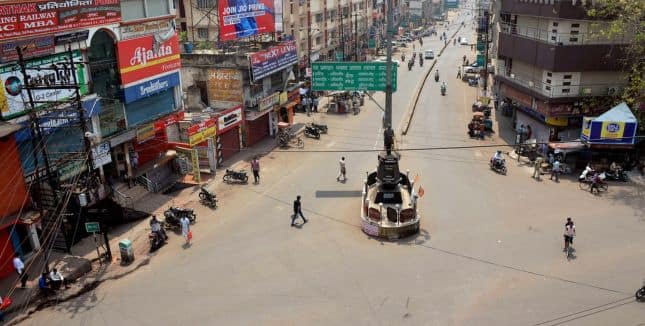
Private buses, taxis, and autorickshaws remained off duty, leaving major cities, including Kochi, Thiruvananthapuram, and Kozhikode, largely deserted.
Banks and government offices were either shut or operated with minimal staff. Schools and colleges suspended classes due to travel disruptions, and some exams were deferred.
Shops and small-scale industries suspended operations, while sections of plantation and industrial workers participated in the strike. The Karunya Plus lottery draw (a popular weekly event that contributes significantly to social welfare schemes across the state) scheduled for today (February 12) was also postponed due to logistical issues.
The Kerala government designated the day as “dies non” for state employees, warning that unauthorised absence would lead to salary deductions.
Leave was allowed only under select categories, and department heads were instructed to safeguard employees who chose to report for work.
Essential services such as hospitals, fire and rescue operations, milk supply, pharmacies, and newspaper circulation functioned normally.
Measures were put in place to facilitate the travel of Sabarimala pilgrims, and attendees of the Maramon Convention were allowed to proceed without hindrance.
Tamil Nadu: Banking, public services impacted
In Tamil Nadu, trade unions have participated in the nationwide strike, creating the possibility of disruptions in banking, insurance, and segments of the transport sector.
The Tamil Nadu State Transport Corporation (TNSTC) instructed employees to report for duty, revoked approved leave, and warned that strict disciplinary measures would be taken against those who stayed away or disrupted operations.
Schools, colleges, IT firms, and most private establishments were expected to function normally.
The ruling DMK’s trade union arm, the Workers Progressive Association (WPA), extended its support, along with farmer groups affiliated with the Joint Kisan Morcha and several student organisations.
Demonstrators called for the scrapping of the four labour codes, halting amendments to the Electricity Act, implementation of a five-day work week for bank staff, and an end to the privatisation of public sector units. It has also opposed changes in rural employment programmes.
West Bengal: Strike observed
In West Bengal, unions also have a strong organisational base. Public services and the market are expected to face partial to major disruptions. Transportation services are running on a limited scale, especially in cities. Public sector banking services may face disruption (AIBEA, AIBOA, BEFI supporting strike), reported
Economic Times. Images surfaced from across Kolkata as trade unions took part in the protest.
Odisha
In Bhubaneswar, the Trade Union Co-Ordination Centre, Odisha State Committee, joined the nationwide strike against various central government policies.
A complete shutdown is possible in urban and semi-urban regions. Public transport could operate on a limited scale or be suspended in certain districts. Markets and businesses may close in areas with a strong union presence. Government offices are likely to witness reduced attendance as staff join the strike.
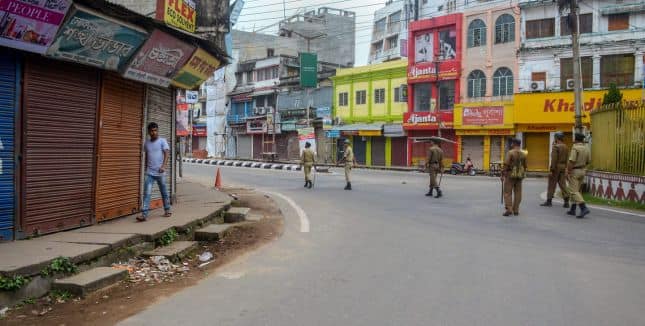
It remains to be seen whether every state will witness a complete shutdown. Kerala and Assam are expected to be the worst affected, with Odisha and West Bengal also likely to experience major disruptions.
With inputs from agencies
The protest has been organised by the ten central trade unions, including the All India Trade Union Congress (AITUC) and the Centre of Indian Trade Unions (CITU).
Congress MP Rahul Gandhi has backed the strike as Kerala faces an almost complete shutdown. Taking to social media platform X, Gandhi wrote, “Today, lakhs of labourers and farmers across the country are on the streets to raise their voice for their rights. Workers fear that the four labour codes will weaken their rights. Farmers fear that the trade agreement will hurt their livelihoods.”
आज देशभर में लाखों मजदूर और किसान अपने हक़ की आवाज़ बुलंद करने सड़कों पर हैं।
मजदूरों को डर है कि चार श्रम संहिताएँ उनके अधिकारों को कमजोर कर देंगी।
किसानों को आशंका है कि व्यापार समझौता उनकी आजीविका पर चोट करेगा।
और मनरेगा को कमजोर या खत्म करने से गांवों का आख़िरी सहारा भी…
— Rahul Gandhi (@RahulGandhi) February 12, 2026
Here is the list of states most affected by Bharat Bandh.
Kerala shuts down: Transport and commercial activity paralysed
Private buses, taxis, and autorickshaws remained off duty, leaving major cities, including Kochi, Thiruvananthapuram, and Kozhikode, largely deserted.
Banks and government offices were either shut or operated with minimal staff. Schools and colleges suspended classes due to travel disruptions, and some exams were deferred.
Shops and small-scale industries suspended operations, while sections of plantation and industrial workers participated in the strike. The Karunya Plus lottery draw (a popular weekly event that contributes significantly to social welfare schemes across the state) scheduled for today (February 12) was also postponed due to logistical issues.
The protest has been organised by the ten central trade unions, including the All India Trade Union Congress (AITUC) and the Centre of Indian Trade Unions (CITU). Representational image/PTI
The Kerala government designated the day as “dies non” for state employees, warning that unauthorised absence would lead to salary deductions.
Leave was allowed only under select categories, and department heads were instructed to safeguard employees who chose to report for work.
Essential services such as hospitals, fire and rescue operations, milk supply, pharmacies, and newspaper circulation functioned normally.
Measures were put in place to facilitate the travel of Sabarimala pilgrims, and attendees of the Maramon Convention were allowed to proceed without hindrance.
Tamil Nadu: Banking, public services impacted
In Tamil Nadu, trade unions have participated in the nationwide strike, creating the possibility of disruptions in banking, insurance, and segments of the transport sector.
Schools, colleges, IT firms, and most private establishments were expected to function normally. Representational image/PTI
The Tamil Nadu State Transport Corporation (TNSTC) instructed employees to report for duty, revoked approved leave, and warned that strict disciplinary measures would be taken against those who stayed away or disrupted operations.
Schools, colleges, IT firms, and most private establishments were expected to function normally.
The ruling DMK’s trade union arm, the Workers Progressive Association (WPA), extended its support, along with farmer groups affiliated with the Joint Kisan Morcha and several student organisations.
Demonstrators called for the scrapping of the four labour codes, halting amendments to the Electricity Act, implementation of a five-day work week for bank staff, and an end to the privatisation of public sector units. It has also opposed changes in rural employment programmes.
West Bengal: Strike observed
In West Bengal, unions also have a strong organisational base. Public services and the market are expected to face partial to major disruptions. Transportation services are running on a limited scale, especially in cities. Public sector banking services may face disruption (AIBEA, AIBOA, BEFI supporting strike), reported
Odisha
In Bhubaneswar, the Trade Union Co-Ordination Centre, Odisha State Committee, joined the nationwide strike against various central government policies.
A complete shutdown is possible in urban and semi-urban regions. Public transport could operate on a limited scale or be suspended in certain districts. Markets and businesses may close in areas with a strong union presence. Government offices are likely to witness reduced attendance as staff join the strike.
It remains to be seen whether every state will witness a complete shutdown. Kerala and Assam are expected to be the worst affected, with Odisha and West Bengal also likely to experience major disruptions.
With inputs from agencies