

What is the story about?
On Sunday (February 8), instead of waking up to sunlight streaming into their windows and homes, many Iranians in the capital woke up because of coughing bouts unlike any other. Additionally, where Iranians were expecting daylight, they found Tehran to be shrouded in darkness.
Why?
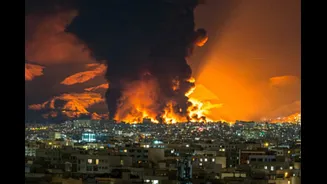
Because the Israel Defense Forces (IDF) struck several Iranian fuel sites, including oil storage depots, on Saturday (February 7) — the first attacks on the country’s energy infrastructure since the US-Israeli war on Iran began 10 days back on February 28.
Many believe these attacks on the sites could affect global crude prices; the cost of a barrel has surged to $114, up 23 per cent from its Friday closing price of $92.69.
But beyond the price of oil, these attacks are posing a health and environmental risk in Iran, with Iranians suffering the worst of it.
For the first time since the Israel-US war broke out — it began on February 28 — the Jewish nation struck Iranian oil sites over the weekend, saying they served Iran’s military. “The military forces of the Iranian terror regime make direct and frequent use of these fuel tanks to operate military infrastructure. Through them, the Iranian terror regime distributes fuel to various consumers, including military entities in Iran,” the IDF said in a statement.
The IDF said the strike “constitutes an additional step in deepening the damage to the military infrastructure of the Iranian terror regime.”
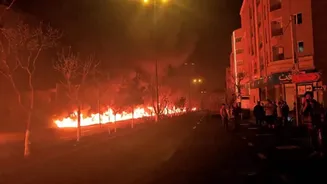
According to Iran’s petroleum ministry, several of Iran's oil sites had been hit in the weekend strikes. The oil storage depots in the provinces of Tehran and Alborz had been targeted over the weekend. Moreover, the Aghdasieh oil warehouse in northeast Tehran, the Tehran refinery in the south, the Shahran oil depot in the west of Tehran, and an oil depot in Karaj city were the facilities targeted. Witnesses said oil from the Shahran depot had leaked into the streets.
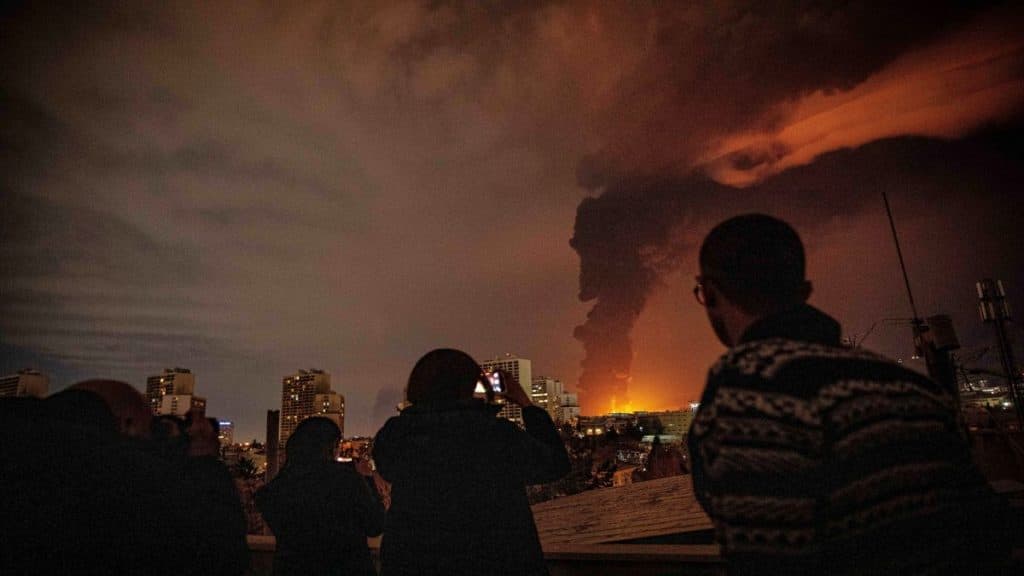
At least four tanker drivers were killed in the attacks in Tehran and Alborz, Fars reported. Despite the attack, “there is no shortage of fuel distribution”, and security forces are “currently engaged in firefighting operations”, it added.
Following the strikes, Tehran governor Mohammad Sadegh Motamedian said on Sunday morning that fuel distribution in the Iranian capital had been “temporarily interrupted.” “The problem is being resolved,” he added.
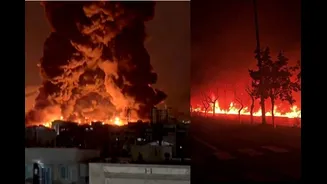
For many Iranians, the strikes on the oil facilities meant a darkened Sunday. Video footage showed flames rising from several locations across the capital, with thick plumes of black smoke covering large parts of the city of 10 million people by dawn.
As one resident was quoted as telling
The Telegraph, “The bombardment of Tehran is apocalyptic.” Another told the BBC that “it was as if night had turned into day”.
Following the Israeli strike on Iran’s Karaj, one man said: “It started with a red light that lit up everything, followed by a wave that jolted the door.”
“Then the sky was lit again, and a huge red cloud appeared. We didn’t know what was happening,” he told the BBC, adding that he went up to his rooftop and saw the local oil depot on fire.
Another woman describing the surroundings said that Tehran was covered in smoke. “You can smell the burning. I can’t see the sun. There is a horrible smoke. It’s still there, I’m very tired.”
Such was the situation that, even at 10:30 am, local time, cars on the streets were seen using their headlights, reported the news agency AFP.
Another woman described to The Guardian the “apocalyptic” scenes unfolding in front of her eyes. “The situation is so frightening it’s hard to describe. Smoke has covered the entire city. I have severe shortness of breath and burning in my eyes and throat, and many others feel the same. But people still have to go outside because they have no choice. Many places reopened today, but closed again because it’s impossible to stay outdoors.”
Mehnaz, a 39-year-old, chose to flee her home as Israel began targeting the oil storage facilities. However, owing to the heavy smoke, she turned back towards her house on Sunday morning. “The Rey depot, you won’t believe, was still on fire, and it’s insane because in the night it looked like day and in the day, it was so dark, it looked like a new moon night. So, so dark, just like our futures,” she was quoted as telling The Guardian.
Israel’s attacks on Iran could significantly affect global oil prices, which have already surged past the $100-mark per barrel. On Monday morning, the tenth day of fighting, the price for a barrel of Brent crude, the international standard, surged past $114. A whopping 23 per cent higher than its Friday closing price of $92.69. West Texas Intermediate, the crude oil produced in the United States, was also selling for about $114 a barrel. That’s 25 per cent higher than its close on Friday at $90.90.
But there are even more dire and immediate consequences that Iranians will experience as a result of the strikes.
Iran’s environmental agency has issued an advisory, urging people in Tehran to stay indoors. The country’s Red Crescent said the toxic chemicals could lead to acid rain and hurt the skin and lungs, advising people to avoid turning on air conditioners or going outside immediately after rainfall. It also encouraged people to protect exposed food.
Tehran’s air quality control company said atmospheric instability and increased boundary layer height would lead to the dispersion of pollutants and gradual air quality improvement, though fires would need to be fully extinguished for conditions to normalise.
According to one resident, the situation was similar to conditions during the Covid pandemic. “We are so scared to even clean the windows and balconies. There’s soot everywhere, and we don’t even want to touch it with gloves. My eyes are burning, and I look outside and see people without masks are going on with their daily lives. I am not so brave. There’s this smell in the air I can’t explain,” said the resident, who wished to remain unnamed, to The Guardian.
Following the attacks targeting Iran’s oil facilities, Israeli Prime Minister Benjamin Netanyahu said that the “moment of truth” was nearing for Iranians to overthrow their government.
However, it is being reported that the US is not happy with Israel’s targeting of the oil facilities. An Axios report stated that the strikes went far beyond what the US expected when Israel notified it in advance, sparking the first significant disagreement between the allies since the war began.
“We don’t think it was a good idea,” a senior US official said as per the report, adding that an Israeli official said Washington’s message to Israel was “WTF (What the f**k)”.
The American dislike for the attacks come because they are concerned about it spooking oil markets and pushing energy prices even higher. “The president doesn't like the attack. He wants to save the oil. He doesn’t want to burn it. And it reminds people of higher gas prices,” a Trump adviser told
Axios.
Meanwhile, Iran has warned that if attacks on the country’s oil infrastructure continue, Tehran may respond with similar strikes across West Asia.
With inputs from agencies
Why?
Because the Israel Defense Forces (IDF) struck several Iranian fuel sites, including oil storage depots, on Saturday (February 7) — the first attacks on the country’s energy infrastructure since the US-Israeli war on Iran began 10 days back on February 28.
- Catch all live updates from Iran-Israel war here
Many believe these attacks on the sites could affect global crude prices; the cost of a barrel has surged to $114, up 23 per cent from its Friday closing price of $92.69.
But beyond the price of oil, these attacks are posing a health and environmental risk in Iran, with Iranians suffering the worst of it.
Israel takes aim at Iran’s oil facilities
For the first time since the Israel-US war broke out — it began on February 28 — the Jewish nation struck Iranian oil sites over the weekend, saying they served Iran’s military. “The military forces of the Iranian terror regime make direct and frequent use of these fuel tanks to operate military infrastructure. Through them, the Iranian terror regime distributes fuel to various consumers, including military entities in Iran,” the IDF said in a statement.
The IDF said the strike “constitutes an additional step in deepening the damage to the military infrastructure of the Iranian terror regime.”
🔥 Watch this shocking footage from Tehran!
After strikes on oil storage facilities, flames poured onto the road. Fuel flooded into the sewer and drainage channels🚨 pic.twitter.com/cz0hijlTcY
— NEXTA (@nexta_tv) March 8, 2026
According to Iran’s petroleum ministry, several of Iran's oil sites had been hit in the weekend strikes. The oil storage depots in the provinces of Tehran and Alborz had been targeted over the weekend. Moreover, the Aghdasieh oil warehouse in northeast Tehran, the Tehran refinery in the south, the Shahran oil depot in the west of Tehran, and an oil depot in Karaj city were the facilities targeted. Witnesses said oil from the Shahran depot had leaked into the streets.
Residents look on and take pictures as flames and smoke rise from an oil storage facility struck as attacks hit the city during the US–Israeli military campaign in Tehran, Iran. AP
At least four tanker drivers were killed in the attacks in Tehran and Alborz, Fars reported. Despite the attack, “there is no shortage of fuel distribution”, and security forces are “currently engaged in firefighting operations”, it added.
Following the strikes, Tehran governor Mohammad Sadegh Motamedian said on Sunday morning that fuel distribution in the Iranian capital had been “temporarily interrupted.” “The problem is being resolved,” he added.
🔥 Watch this shocking footage from Tehran!
After strikes on oil storage facilities, flames poured onto the road. Fuel flooded into the sewer and drainage channels🚨 pic.twitter.com/cz0hijlTcY
— NEXTA (@nexta_tv) March 8, 2026
Tehran plunged into darkness
For many Iranians, the strikes on the oil facilities meant a darkened Sunday. Video footage showed flames rising from several locations across the capital, with thick plumes of black smoke covering large parts of the city of 10 million people by dawn.
Situation in Tehran, Iran.
The U.S. and Israel are bombing Iranian oil depots and infrastructure.pic.twitter.com/PUobKvvgOS
— Clash Report (@clashreport) March 7, 2026
As one resident was quoted as telling
Following the Israeli strike on Iran’s Karaj, one man said: “It started with a red light that lit up everything, followed by a wave that jolted the door.”
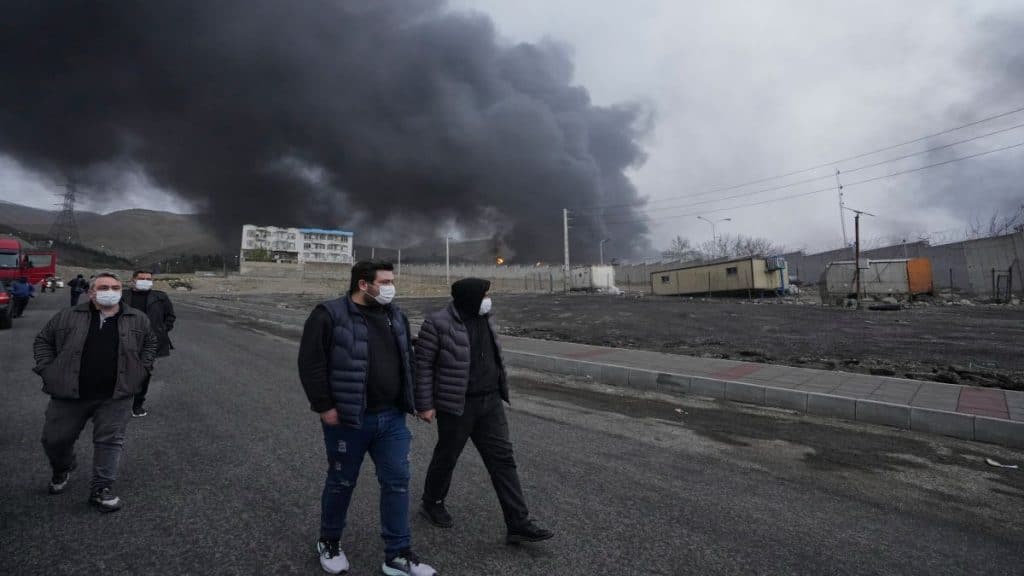
Four men walk as a thick plume of smoke from a US-Israeli strike on an oil storage facility late Saturday rises behind them in Tehran, Iran. AP
“Then the sky was lit again, and a huge red cloud appeared. We didn’t know what was happening,” he told the BBC, adding that he went up to his rooftop and saw the local oil depot on fire.
Another woman describing the surroundings said that Tehran was covered in smoke. “You can smell the burning. I can’t see the sun. There is a horrible smoke. It’s still there, I’m very tired.”
Such was the situation that, even at 10:30 am, local time, cars on the streets were seen using their headlights, reported the news agency AFP.
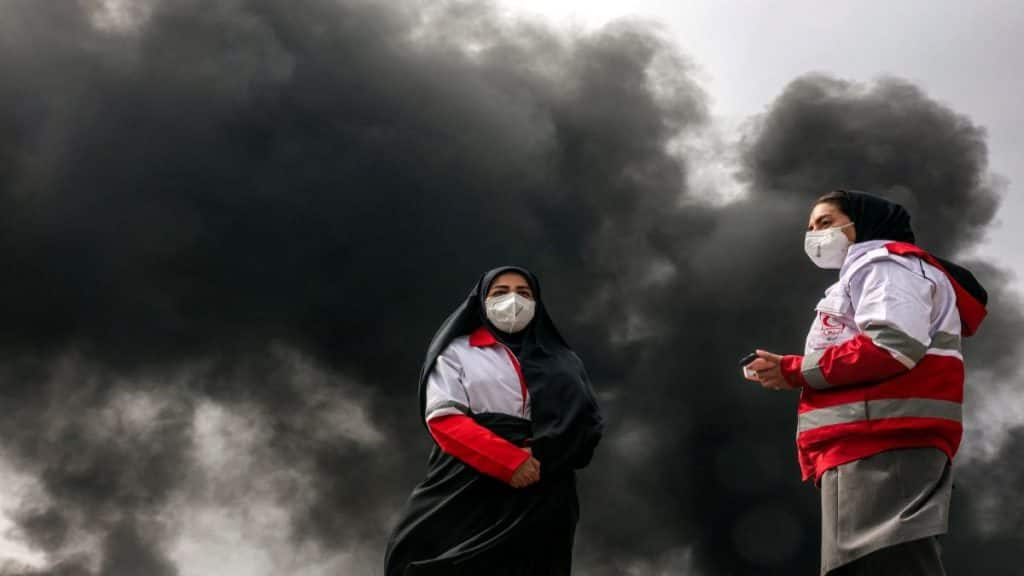
Women members of Iran's Red Crescent society stand near smoke plumes from an ongoing fire following an overnight airstrike on the Shahran oil refinery in northwestern Tehran. AFP
Another woman described to The Guardian the “apocalyptic” scenes unfolding in front of her eyes. “The situation is so frightening it’s hard to describe. Smoke has covered the entire city. I have severe shortness of breath and burning in my eyes and throat, and many others feel the same. But people still have to go outside because they have no choice. Many places reopened today, but closed again because it’s impossible to stay outdoors.”
Mehnaz, a 39-year-old, chose to flee her home as Israel began targeting the oil storage facilities. However, owing to the heavy smoke, she turned back towards her house on Sunday morning. “The Rey depot, you won’t believe, was still on fire, and it’s insane because in the night it looked like day and in the day, it was so dark, it looked like a new moon night. So, so dark, just like our futures,” she was quoted as telling The Guardian.
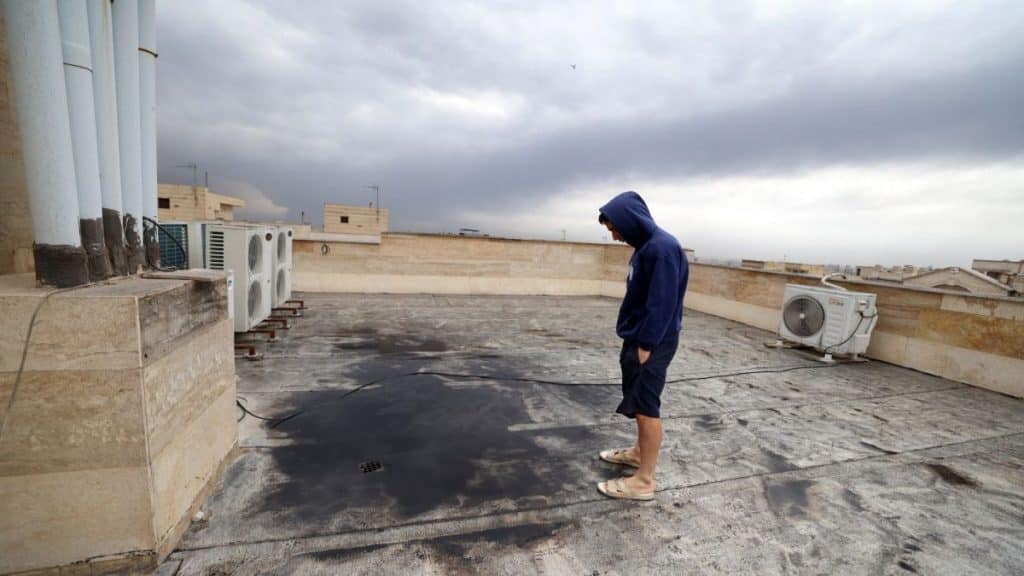
A resident stands on the roof of his house covered with soot after overnight strike on the Tehran Oil Refinery in Tehran. AFP
Beyond oil prices: Impact of attacks on Iran’s oil depots
Israel’s attacks on Iran could significantly affect global oil prices, which have already surged past the $100-mark per barrel. On Monday morning, the tenth day of fighting, the price for a barrel of Brent crude, the international standard, surged past $114. A whopping 23 per cent higher than its Friday closing price of $92.69. West Texas Intermediate, the crude oil produced in the United States, was also selling for about $114 a barrel. That’s 25 per cent higher than its close on Friday at $90.90.
But there are even more dire and immediate consequences that Iranians will experience as a result of the strikes.
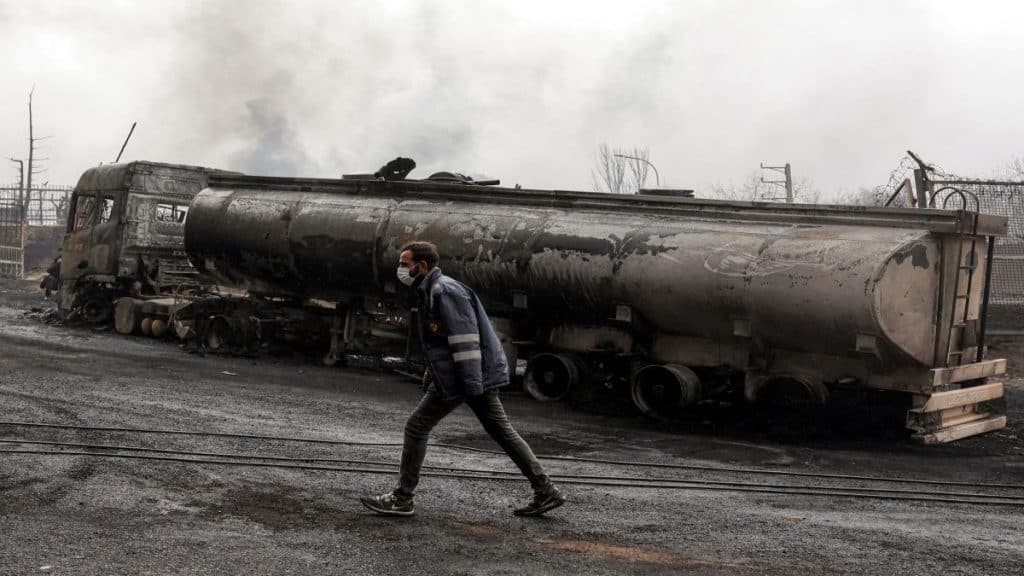
An Iranian civil defence member walks next to a destroyed fuel tanker vehicle near an ongoing fire following an overnight airstrike on the Shahran oil refinery in northwestern Tehran on March 8. AFP
Iran’s environmental agency has issued an advisory, urging people in Tehran to stay indoors. The country’s Red Crescent said the toxic chemicals could lead to acid rain and hurt the skin and lungs, advising people to avoid turning on air conditioners or going outside immediately after rainfall. It also encouraged people to protect exposed food.
Tehran’s air quality control company said atmospheric instability and increased boundary layer height would lead to the dispersion of pollutants and gradual air quality improvement, though fires would need to be fully extinguished for conditions to normalise.
According to one resident, the situation was similar to conditions during the Covid pandemic. “We are so scared to even clean the windows and balconies. There’s soot everywhere, and we don’t even want to touch it with gloves. My eyes are burning, and I look outside and see people without masks are going on with their daily lives. I am not so brave. There’s this smell in the air I can’t explain,” said the resident, who wished to remain unnamed, to The Guardian.
This is Ghaem Maqam Farahani Street in Tehran, Iran today.
Oil fell with the rain, not normal rain that helps people, crops, trees, animals, and nature. This is an ecological disaster. pic.twitter.com/nmKETu59as
— Weather Monitor (@WeatherMonitors) March 8, 2026
US miffed with Israel over strikes
Following the attacks targeting Iran’s oil facilities, Israeli Prime Minister Benjamin Netanyahu said that the “moment of truth” was nearing for Iranians to overthrow their government.
However, it is being reported that the US is not happy with Israel’s targeting of the oil facilities. An Axios report stated that the strikes went far beyond what the US expected when Israel notified it in advance, sparking the first significant disagreement between the allies since the war began.
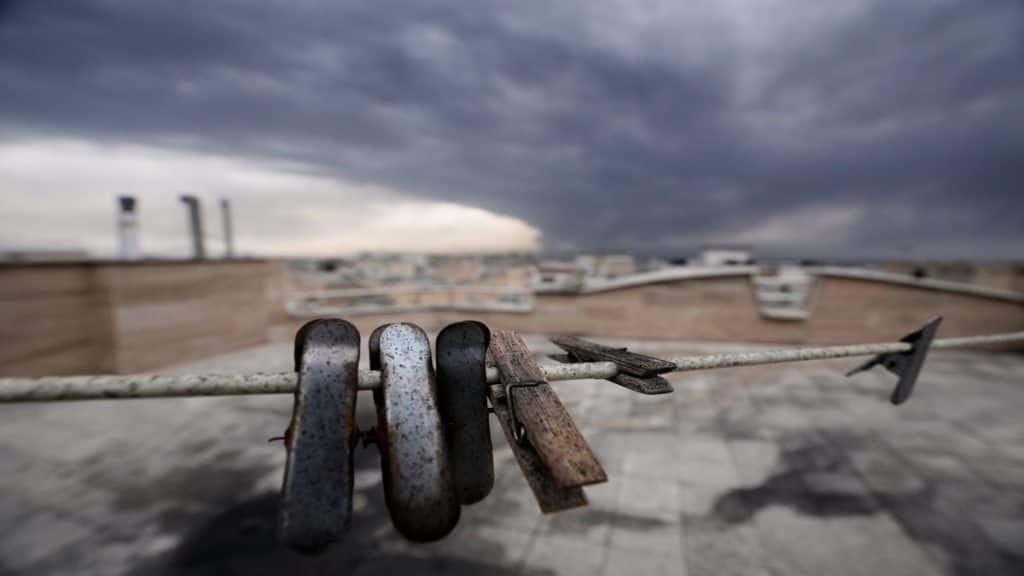
Clothes clips covered in soot from burned fuel are seen as smoke from a US-Israeli strike on an oil facility late Saturday lingers in the cloudy sky over Tehran, Iran. AP
“We don’t think it was a good idea,” a senior US official said as per the report, adding that an Israeli official said Washington’s message to Israel was “WTF (What the f**k)”.
The American dislike for the attacks come because they are concerned about it spooking oil markets and pushing energy prices even higher. “The president doesn't like the attack. He wants to save the oil. He doesn’t want to burn it. And it reminds people of higher gas prices,” a Trump adviser told
Meanwhile, Iran has warned that if attacks on the country’s oil infrastructure continue, Tehran may respond with similar strikes across West Asia.
With inputs from agencies