





What is the story about?
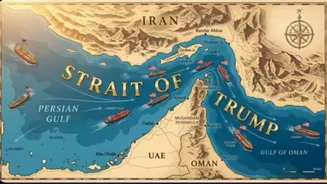
India has flagged global economic disruptions caused by the chokehold of the Strait of Hormuz as talks between US and Iran continue to stall over the key waterway.
Addressing the UN Security Council open debate on ‘The Safety and Protection of Waterways in the Maritime Domain’ on Monday, Chargé d'affaires at the Permanent Mission of India to the UN, Ambassador Yojna Patel, stressed that India sees maritime security and the protection of waterways as essential to global security and economic prosperity.
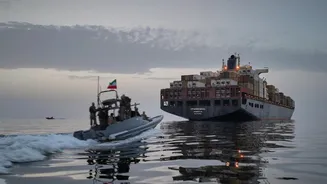
“As a major trading nation, India strongly deplores the recent targeting of commercial shipping through the Strait of Hormuz and the endangerment of innocent civilian crew members. Such actions have resulted in the tragic loss of precious lives of Indian seafarers and are unacceptable,” Patel said during the debate held under the Council Presidency of Bahrain.
India reiterated that freedom of navigation and global commerce through the Strait of Hormuz must be fully respected in accordance with international law and urged that safe and unimpeded maritime passage be restored at the earliest.
India is among the top three seafarer-supplying nations, contributing approximately 13 per cent of the global seafaring workforce. “India remains deeply concerned about the safety and welfare of its seafarers. Any disruption, obstruction or purported closure of vital waterways has direct consequences for global economy, energy and humanitarian supply chains,” Patel said.
The Ministry of External Affairs said last month that eight Indian seafarers had died in the Strait as a result of the conflict, adding that the whereabouts of one is "not known" yet.
The Indian ambassador said that India has submitted its recommendations to mitigate the crisis in Hormuz and ensure the safety of seafarers. New Delhi has also set up a 24/7 helpline set up by the country’s Directorate General of Shipping for seafarers that receives distress calls from people barring any nationality.
With inputs from agencies
Addressing the UN Security Council open debate on ‘The Safety and Protection of Waterways in the Maritime Domain’ on Monday, Chargé d'affaires at the Permanent Mission of India to the UN, Ambassador Yojna Patel, stressed that India sees maritime security and the protection of waterways as essential to global security and economic prosperity.
“As a major trading nation, India strongly deplores the recent targeting of commercial shipping through the Strait of Hormuz and the endangerment of innocent civilian crew members. Such actions have resulted in the tragic loss of precious lives of Indian seafarers and are unacceptable,” Patel said during the debate held under the Council Presidency of Bahrain.
#IndiaAtUN
delivered 🇮🇳’s statement at the @UN Security Council on the Situation in the Middle East. @MEAIndia @IndianDiplomacy pic.twitter.com/x3qZcdN0N8
Cd’A @PatelYojna
— India at UN, NY (@IndiaUNNewYork) April 29, 2026
India reiterated that freedom of navigation and global commerce through the Strait of Hormuz must be fully respected in accordance with international law and urged that safe and unimpeded maritime passage be restored at the earliest.
India is among the top three seafarer-supplying nations, contributing approximately 13 per cent of the global seafaring workforce. “India remains deeply concerned about the safety and welfare of its seafarers. Any disruption, obstruction or purported closure of vital waterways has direct consequences for global economy, energy and humanitarian supply chains,” Patel said.
The Ministry of External Affairs said last month that eight Indian seafarers had died in the Strait as a result of the conflict, adding that the whereabouts of one is "not known" yet.
The Indian ambassador said that India has submitted its recommendations to mitigate the crisis in Hormuz and ensure the safety of seafarers. New Delhi has also set up a 24/7 helpline set up by the country’s Directorate General of Shipping for seafarers that receives distress calls from people barring any nationality.
With inputs from agencies