






What is the story about?
It’s 2026 and it’s supposed to be the year of travel. However, this year isn’t about peak seasons, overcrowded cities and highly-flocked destinations.
After Covid, travel has changed drastically; people are seeking experience-led travel with the hope of connecting with locals and enjoying their culture, rather than just checking off landmarks from their bucket list.
So, what’s it going to be in 2026? Data and predictions from travellers and travel firms suggest that this year will be about nostalgic travel and the rise of the anti-tourist. Here’s what you need to know about it.
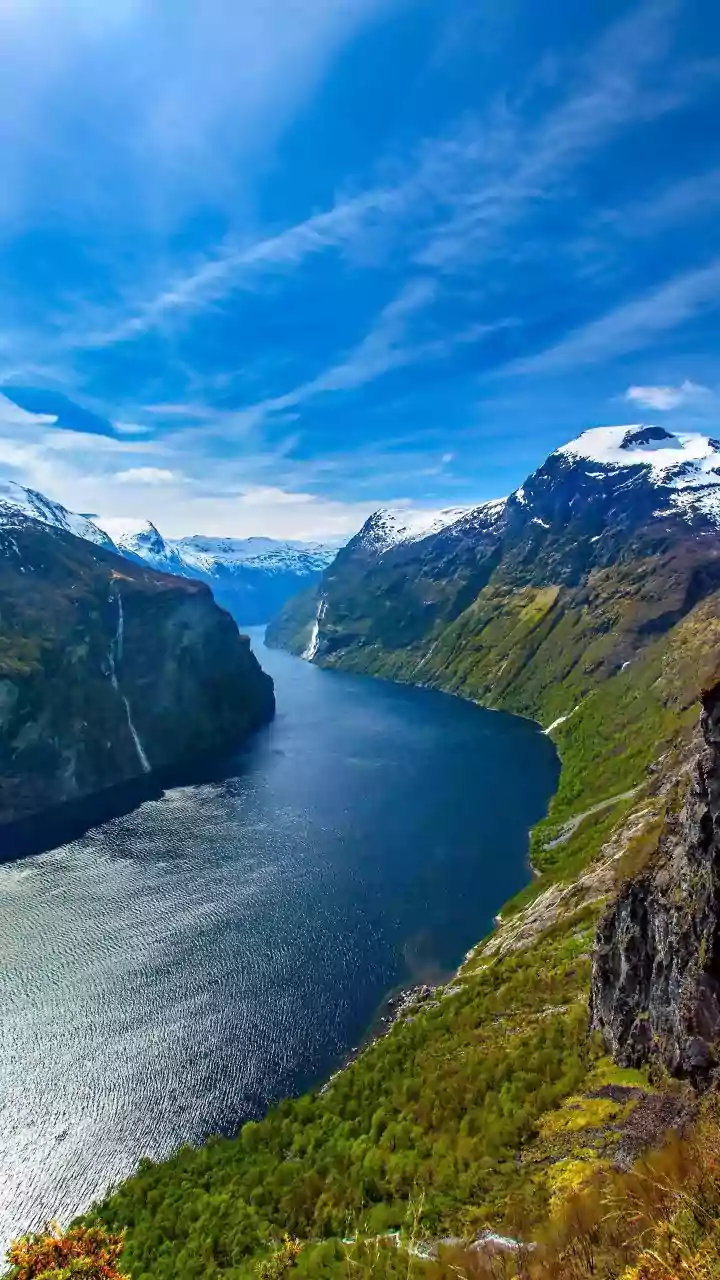
An increasing number of people realise that constant connectivity, social media, and notifications are a bane to their mental health. Hence, they are seeking quieter places. This is where hushpitality enters.
A combination of hush and hospitality, hushpitality is a form of travel designed around quiet and calm. People are looking to detach themselves from their daily grind with holidays focused on nature, rest and mental recovery.
Nature-based locations like forests, mountains and remote coasts with minimal social interaction and no forced activities, form the core of hushpitality.
In 2026, forget over tourism. It’s going to be all about anti-tourist. Travellers are going to swap busy, overcrowded destinations such as Paris, Berlin, and even London for lesser-known cities, secondary ones or better yet the countryside. These not only provide a sense of calm and serenity over the hubbub of the crowded cities but also helps travellers connect and enjoy local culture more than crowded cities.
According to 45 per cent of advisors from travel agency Virtuoso, their clients are adjusting plans due to climate change. Travellers now prefer destinations with moderate weather and fewer tourists. According to platforms like Agoda, secondary destinations are growing at a much higher pace than the traditional tourist hotspots.
Even governments have caught on to this trend and countries like Indonesia and Japan are promoting regional destinations for travel more than traditional places.
Going back in time is physically impossible, but what about visiting places that evoke a sense of nostalgia!
That’s what’s people are looking for in their travel plans too. According to a report by Contiki, nearly eight out of 10 American adults are seeking to recreate a childhood trip.
People are even opting to live in heritage sites, enjoy classic train journeys, or returning to childhood memories. It is all about feeling the past and developing new experiences alongside the old ones.
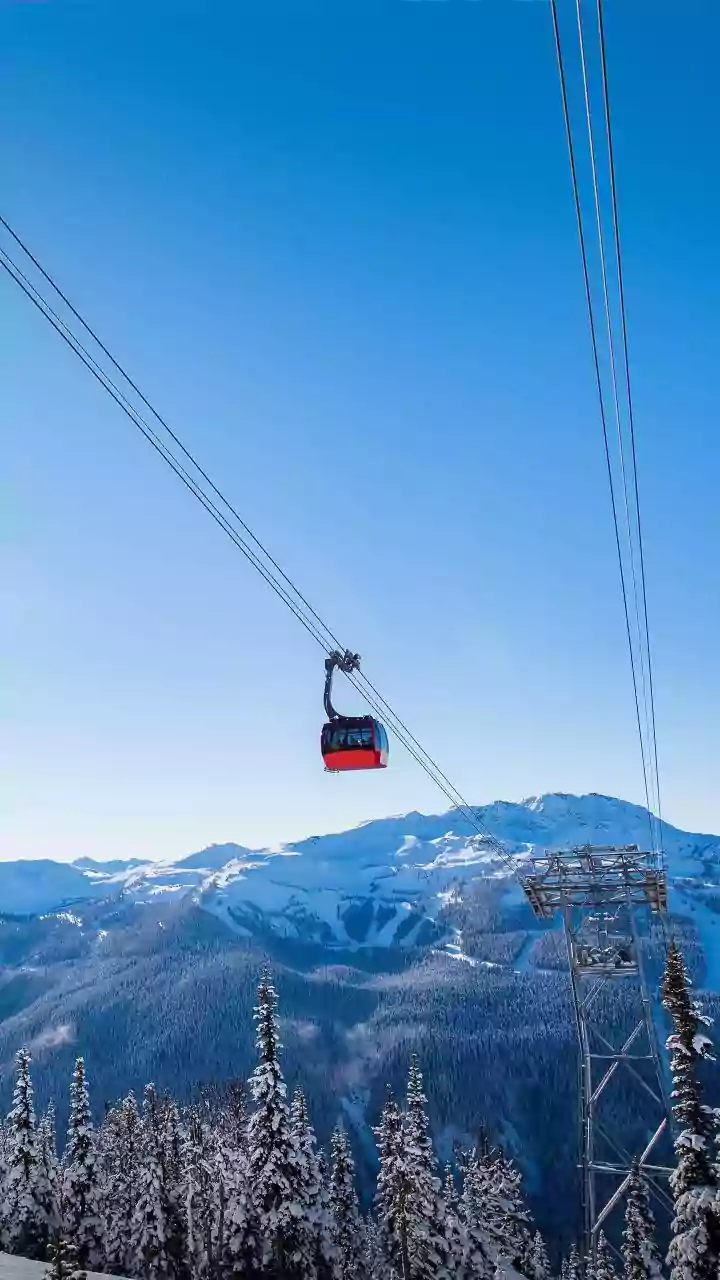
This year will also witness a surge in train travel as more travellers are choosing rail journeys over short-haul flights. This comes as people are becoming more conscious about their carbon footprint on the environment and choosing to reduce it.
Rail journeys, especially along scenic routes across Japan, India, and Europe, are on the rise. As people want to watch the world go by their window and enjoy the view, they feel more connected. Travellers claim that rail travel actually makes them feel more connected to their surroundings. And it’s not just trains, even buses and cars have a similar impact.

People are looking for the personal touch more than convenience. “We’re seeing phenomenal growth in rail-based adventures, which is a clear reflection of the wider trend towards more sustainable and experiential forms of travel,” Katy Rockett, regional director of North America for the adventure travel company Explore Worldwide, told Travelpulse in an interview.
Rockett further said, “Travellers want to slow down and take in more of the journey itself, and rail provides that sense of adventure and connection to the landscape that flights can’t offer.”
This year, literary travel is also going to experience a rise. Potential travellers are expressing interest in visiting Jane Austen’s Bath or William Shakespeare’s museum in Stratford-upon-Avon, or even Bram Stoker’s Transylvania
The interest in literary travel is reflected in a 265 per cent spike in searches for book club retreats on Pinterest, as friends opt to trade the usual tourist itinerary for a quiet space where they can choose to focus on both books and each other.
According to Skyscanner, nearly 32 per cent of travellers are interested in visiting a destination named in a book, while 18 per cent are keen to stay in a book-themed accommodation.
Some of the other travel trends to keep an eye on in 2026 will be noctourism, indigenous destinations and decision detox holidays. For the unaware, noctourism is a travel trend specially designed for night owls. This type of travel focuses on a range of night activities like stargazing, night-time safaris and after-dark city tours are planned.
Indigenous tourism is expected to increase in the coming year, with Australia and Canada leading the way for new experiences.
Meanwhile ‘decision detox’ holidays are where travellers outsource the planning of their vacation to agencies or even hotels that offer all-inclusive packages. Tara Schwenk, senior director of digital strategy at Lemongrass Marketing, told CNBC, “Essentially travellers want someone they trust to make good choices for them, so they can properly switch off.”
So, what are you waiting for? Pack your bags and head out to enjoy this year with no stress and no fuss.
With inputs from agencies
After Covid, travel has changed drastically; people are seeking experience-led travel with the hope of connecting with locals and enjoying their culture, rather than just checking off landmarks from their bucket list.
So, what’s it going to be in 2026? Data and predictions from travellers and travel firms suggest that this year will be about nostalgic travel and the rise of the anti-tourist. Here’s what you need to know about it.
Hushpilatity
An increasing number of people realise that constant connectivity, social media, and notifications are a bane to their mental health. Hence, they are seeking quieter places. This is where hushpitality enters.
A combination of hush and hospitality, hushpitality is a form of travel designed around quiet and calm. People are looking to detach themselves from their daily grind with holidays focused on nature, rest and mental recovery.
Nature-based locations like forests, mountains and remote coasts with minimal social interaction and no forced activities, form the core of hushpitality.
Anti-tourist
In 2026, forget over tourism. It’s going to be all about anti-tourist. Travellers are going to swap busy, overcrowded destinations such as Paris, Berlin, and even London for lesser-known cities, secondary ones or better yet the countryside. These not only provide a sense of calm and serenity over the hubbub of the crowded cities but also helps travellers connect and enjoy local culture more than crowded cities.
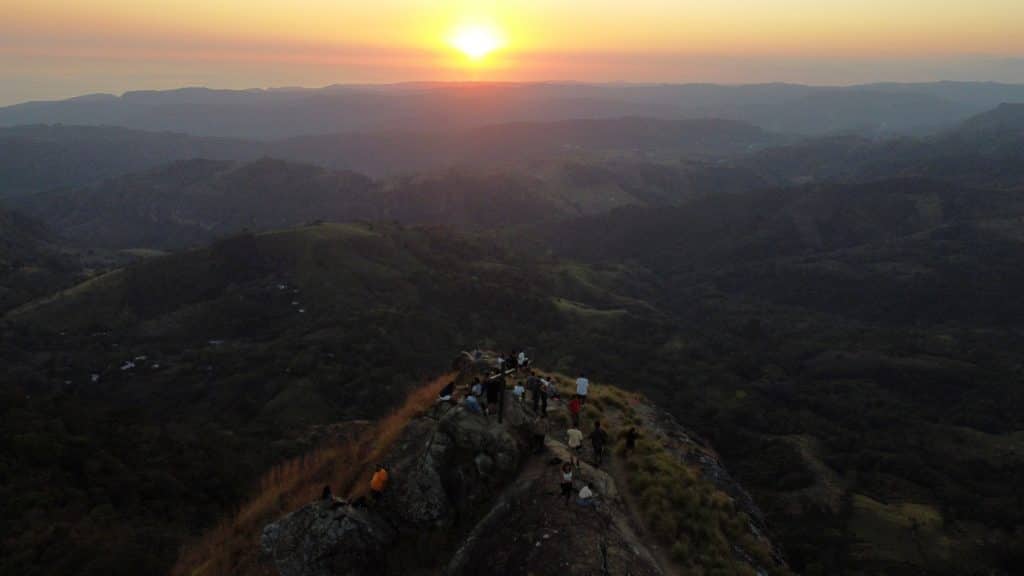
A drone view shows tourists gathered on top of the place known as "Penon de Comasagua" to watch sunset in Comasagua, El Salvador. File image/Reuters
According to 45 per cent of advisors from travel agency Virtuoso, their clients are adjusting plans due to climate change. Travellers now prefer destinations with moderate weather and fewer tourists. According to platforms like Agoda, secondary destinations are growing at a much higher pace than the traditional tourist hotspots.
Even governments have caught on to this trend and countries like Indonesia and Japan are promoting regional destinations for travel more than traditional places.
Nostalgic travel
Going back in time is physically impossible, but what about visiting places that evoke a sense of nostalgia!
That’s what’s people are looking for in their travel plans too. According to a report by Contiki, nearly eight out of 10 American adults are seeking to recreate a childhood trip.
People are even opting to live in heritage sites, enjoy classic train journeys, or returning to childhood memories. It is all about feeling the past and developing new experiences alongside the old ones.
Rail revival
This year will also witness a surge in train travel as more travellers are choosing rail journeys over short-haul flights. This comes as people are becoming more conscious about their carbon footprint on the environment and choosing to reduce it.
Rail journeys, especially along scenic routes across Japan, India, and Europe, are on the rise. As people want to watch the world go by their window and enjoy the view, they feel more connected. Travellers claim that rail travel actually makes them feel more connected to their surroundings. And it’s not just trains, even buses and cars have a similar impact.
As people become more Aware of their carbon footprint, the coming years will witness an increase in rail travel. File image/Reuters
People are looking for the personal touch more than convenience. “We’re seeing phenomenal growth in rail-based adventures, which is a clear reflection of the wider trend towards more sustainable and experiential forms of travel,” Katy Rockett, regional director of North America for the adventure travel company Explore Worldwide, told Travelpulse in an interview.
Rockett further said, “Travellers want to slow down and take in more of the journey itself, and rail provides that sense of adventure and connection to the landscape that flights can’t offer.”
Novel travel
This year, literary travel is also going to experience a rise. Potential travellers are expressing interest in visiting Jane Austen’s Bath or William Shakespeare’s museum in Stratford-upon-Avon, or even Bram Stoker’s Transylvania
The interest in literary travel is reflected in a 265 per cent spike in searches for book club retreats on Pinterest, as friends opt to trade the usual tourist itinerary for a quiet space where they can choose to focus on both books and each other.
According to Skyscanner, nearly 32 per cent of travellers are interested in visiting a destination named in a book, while 18 per cent are keen to stay in a book-themed accommodation.
Other travel trends to watch out for
Some of the other travel trends to keep an eye on in 2026 will be noctourism, indigenous destinations and decision detox holidays. For the unaware, noctourism is a travel trend specially designed for night owls. This type of travel focuses on a range of night activities like stargazing, night-time safaris and after-dark city tours are planned.
Indigenous tourism is expected to increase in the coming year, with Australia and Canada leading the way for new experiences.
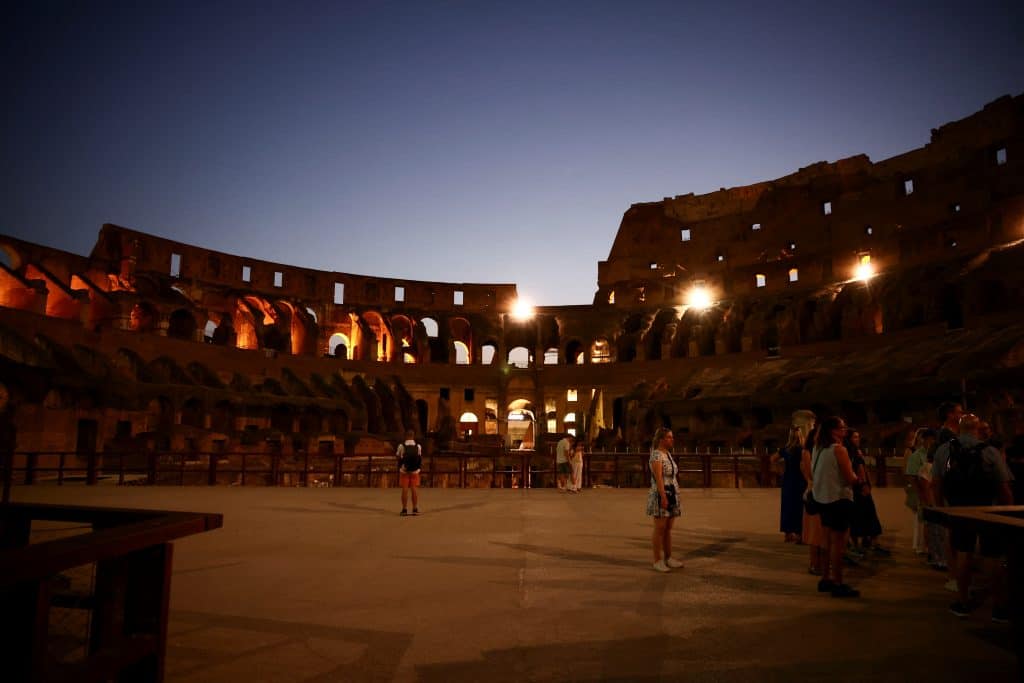
Visitors stroll inside the Colosseum during a night tour in Rome, Italy. File image/Reuters
Meanwhile ‘decision detox’ holidays are where travellers outsource the planning of their vacation to agencies or even hotels that offer all-inclusive packages. Tara Schwenk, senior director of digital strategy at Lemongrass Marketing, told CNBC, “Essentially travellers want someone they trust to make good choices for them, so they can properly switch off.”
So, what are you waiting for? Pack your bags and head out to enjoy this year with no stress and no fuss.
With inputs from agencies