









What is the story about?
When it comes to obesity, examining the Body Mass Index (BMI) has been the measuring stick for years. The formula is simple – a person with a higher BMI is unhealthy and thus at risk of disease, while someone with a lower BMI is healthier. But is it accurate?
New evidence shows that using BMI as a measure of health could be misleading, especially for millions of Asians, including Indians. A new paper published in Nature Reviews Endocrinology argues that Asians are more likely to develop diabetes-related diseases even when they are thinner and have lower BMI levels compared to Westerners.
This is because Asians, who have more abdominal fat, tend to have fatty liver disease, pancreatic fat accumulation, and lower or reduced body mass. It puts them at a higher risk even before they are visibly obese.
The authors of the paper contend that those who appear “normal” when measured by BMI may in fact already be metabolically unhealthy and at a higher risk of diabetes, heart disease, and liver disease. This is true even for Indians.
Dr Anoop Misra, one of the authors of the paper, told Firstpost that the study argued that BMI alone does not adequately define obesity in Asians, including Indians. The authors suggest a broader definition that incorporates BMI, abdominal obesity, symptoms affecting daily functioning, and obesity-related diseases.
“The reason is that many people develop abdominal obesity, fatty liver, insulin resistance, and Type 2 diabetes at relatively low BMI levels as compared to Westerners,” Dr Misra explained “While BMI measures fat, muscle, bones, and other organs, this definition proposes moving towards an adiposity and function-based definition using waist circumference (which indicates abdominal obesity and may be better than BMI), associated metabolic abnormalities, and organ dysfunction.”
Adiposity is defined as the accumulation of body fat, mainly in the abdomen, hips, and buttocks.
The research suggests that BMI indicators are failing Asian populations, especially Indians. Experts say it is dangerous to continue to rely on BMI as the primary obesity metric in India.
A large study of over 35 lakh adults found that individuals with metabolically healthy obesity still had elevated cardiovascular risk compared to metabolically healthy people with a BMI within the normal range.
“BMI measures weight, not fat distribution or metabolic risk. It considers fat, muscle, bone, and organs, while we need more fat-related measures. Many Indians with ‘normal’ BMI have high abdominal fat, low muscle mass, insulin resistance, and fatty liver disease. Reliance on BMI alone delays diagnosis of diabetes, MASLD (Metabolic Dysfunction-Associated Steatotic Liver Disease), hypertension, and cardiovascular disease. Our new definition, therefore, combines BMI with waist circumference or the waist-to-height ratio, and the clinical consequences of obesity,” Dr Misra added.
As per the World Health Organization (WHO), in most Western nations, someone with a BMI from 18.5 to 24.9 is classified as “normal”, while a person with a BMI of 25.0 to 29.9 is “overweight.”
However, researchers say South Asians, including Indians, often develop diabetes and cardiovascular disease at BMI levels below 25. This has serious implications for India, which is already considered the diabetes capital of the world. Some Indian experts have long argued that a BMI of 25 should be considered obese for the Indian population.
“Under our new definition, patients with BMI above 23 plus abdominal obesity and obesity-related complications could qualify earlier for intensive lifestyle intervention, GLP-1 therapies, or even metabolic surgery, despite being below conventional international BMI cut-offs. This shifts the focus from body size alone to adiposity-related disease and organ dysfunction,” said Dr Misra. The new definitions and cut-offs, however, have not been officially approved.

One of the most striking observations in the research paper is “normal weight obesity” — those
who appear thin but carry dangerous levels of body fat
, particularly visceral (abdominal) fat. This poses a hidden metabolic risk in Indian populations, particularly in urban populations. The reasons, according to Dr Misra, are a sedentary lifestyle and a poor diet.
The study notes that even Asians with a BMI between 18.5 and 22.9 may still exceed the body fat threshold.
“This ‘thin outside, fat inside’ or, more correctly, ‘normal BMI-high body and abdominal fat-low muscle mass’ phenotype is extremely common in urban Indians. Sedentary lifestyle, refined carbohydrates, high-fat diet, and poor physical activity are widespread even among people who appear lean. In Indians, abdominal obesity (both fat below the skin and inside the abdomen, so-called visceral fat) is often a stronger predictor of diabetes risk than BMI itself,” Dr Misra added.
The hidden fat, experts say, is metabolically active and surrounds the organs. It can cause insulin resistance, fatty liver, high triglycerides, and cardiovascular disease.
Some argue that much of the diabetes epidemic is missed because current obesity definitions are too narrow. The authors say sticking to outdated BMI-centric models risks the health of millions of people, who may appear healthy but are already metabolically vulnerable.
For a country like India, where diabetes often strikes at a younger age, the findings can improve screening, prevention, and care. Dr Misra said, “A substantial part of India’s diabetes epidemic is likely underestimated because of international obesity definitions, including those provided by WHO, and that is why lower BMI and waist circumference criteria have been included in Indian definitions in 2009 and 2025.”
“Studies cited in our paper show diabetes risk begins rising even around BMI 21–22 and at waist circumference of more than 90 cm in men and 80 cm in women. We have greater fat below the abdominal skin, inside the abdomen, and in the liver, all detrimental to metabolism,” he added.
According to Dr Misra, BMI remains useful in epidemiological and population-based studies because it is a simple, inexpensive, and universally applicable measure that can be performed anywhere, including in low-resource nations. “For this reason, in the new obesity definition we proposed (Stage 1 and Stage 2 obesity), BMI has been retained as an initial screening measurement, with additional measures added to improve risk assessment and clinical relevance.”
The paper proposes shifting towards a “function-based” definition of obesity involving waist circumference, weight-to-height ratio, body fat percentage, liver health, glucose markers, lipid profiles, and organ dysfunction.
Dr Misra added that it is feasible to apply the new model in Indian healthcare “if implemented pragmatically”. “Sophisticated scans are not always necessary. Waist circumference, waist-to-height ratio, blood glucose, lipid profile, and simple assessment of obesity-related symptoms can identify high-risk individuals even in smaller cities and rural areas. Waist circumference should become a routine clinical vital sign.”
The authors insist that doctors should diagnose conditions based on the body rather than on a single measurement such as BMI. The paper's main message is thus: Obesity is not about body size. Indians must take care of their health long before they begin to put on weight or start facing health problems.
New evidence shows that using BMI as a measure of health could be misleading, especially for millions of Asians, including Indians. A new paper published in Nature Reviews Endocrinology argues that Asians are more likely to develop diabetes-related diseases even when they are thinner and have lower BMI levels compared to Westerners.
This is because Asians, who have more abdominal fat, tend to have fatty liver disease, pancreatic fat accumulation, and lower or reduced body mass. It puts them at a higher risk even before they are visibly obese.
The authors of the paper contend that those who appear “normal” when measured by BMI may in fact already be metabolically unhealthy and at a higher risk of diabetes, heart disease, and liver disease. This is true even for Indians.
Dr Anoop Misra, one of the authors of the paper, told Firstpost that the study argued that BMI alone does not adequately define obesity in Asians, including Indians. The authors suggest a broader definition that incorporates BMI, abdominal obesity, symptoms affecting daily functioning, and obesity-related diseases.
“The reason is that many people develop abdominal obesity, fatty liver, insulin resistance, and Type 2 diabetes at relatively low BMI levels as compared to Westerners,” Dr Misra explained “While BMI measures fat, muscle, bones, and other organs, this definition proposes moving towards an adiposity and function-based definition using waist circumference (which indicates abdominal obesity and may be better than BMI), associated metabolic abnormalities, and organ dysfunction.”
Adiposity is defined as the accumulation of body fat, mainly in the abdomen, hips, and buttocks.
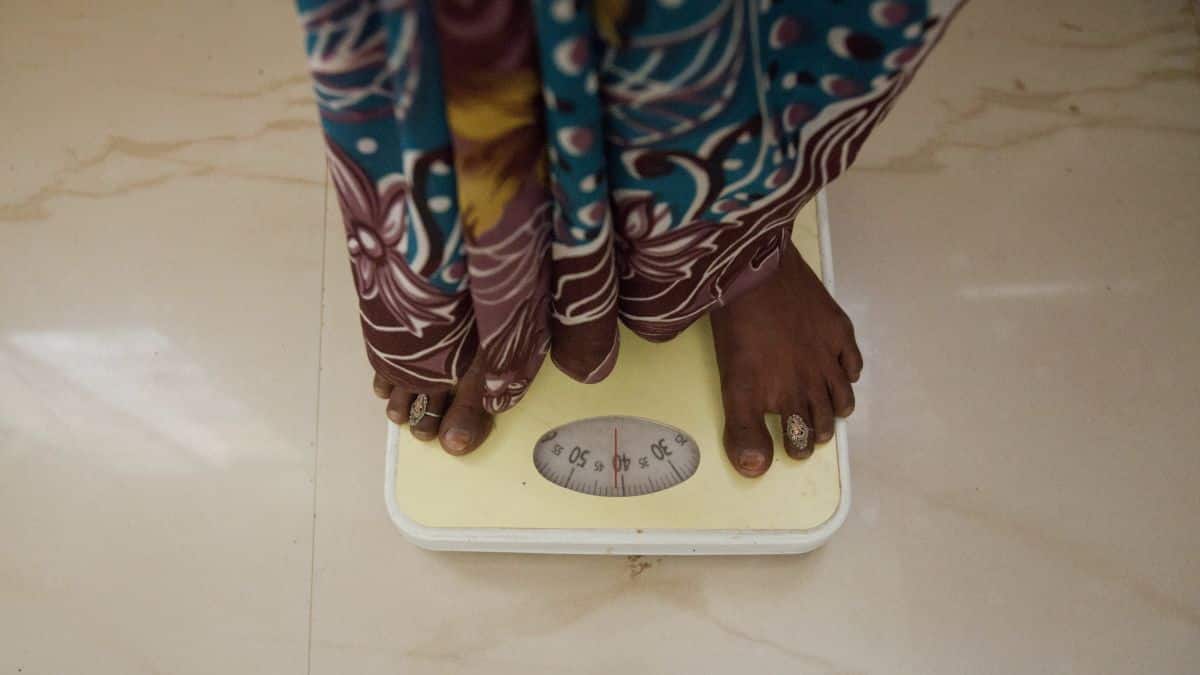
Studies show that those who appear thin might still carry a dangerous level of body fat. Reuters
BMI misses the mark for Indians
The research suggests that BMI indicators are failing Asian populations, especially Indians. Experts say it is dangerous to continue to rely on BMI as the primary obesity metric in India.
A large study of over 35 lakh adults found that individuals with metabolically healthy obesity still had elevated cardiovascular risk compared to metabolically healthy people with a BMI within the normal range.
“BMI measures weight, not fat distribution or metabolic risk. It considers fat, muscle, bone, and organs, while we need more fat-related measures. Many Indians with ‘normal’ BMI have high abdominal fat, low muscle mass, insulin resistance, and fatty liver disease. Reliance on BMI alone delays diagnosis of diabetes, MASLD (Metabolic Dysfunction-Associated Steatotic Liver Disease), hypertension, and cardiovascular disease. Our new definition, therefore, combines BMI with waist circumference or the waist-to-height ratio, and the clinical consequences of obesity,” Dr Misra added.
The obesity paradox
As per the World Health Organization (WHO), in most Western nations, someone with a BMI from 18.5 to 24.9 is classified as “normal”, while a person with a BMI of 25.0 to 29.9 is “overweight.”
However, researchers say South Asians, including Indians, often develop diabetes and cardiovascular disease at BMI levels below 25. This has serious implications for India, which is already considered the diabetes capital of the world. Some Indian experts have long argued that a BMI of 25 should be considered obese for the Indian population.
“Under our new definition, patients with BMI above 23 plus abdominal obesity and obesity-related complications could qualify earlier for intensive lifestyle intervention, GLP-1 therapies, or even metabolic surgery, despite being below conventional international BMI cut-offs. This shifts the focus from body size alone to adiposity-related disease and organ dysfunction,” said Dr Misra. The new definitions and cut-offs, however, have not been officially approved.
Many Indians with ‘normal’ BMI have high abdominal fat, low muscle mass, insulin resistance, and fatty liver disease, say experts. Reuters
Hidden risk to urban India
One of the most striking observations in the research paper is “normal weight obesity” — those
The study notes that even Asians with a BMI between 18.5 and 22.9 may still exceed the body fat threshold.
“This ‘thin outside, fat inside’ or, more correctly, ‘normal BMI-high body and abdominal fat-low muscle mass’ phenotype is extremely common in urban Indians. Sedentary lifestyle, refined carbohydrates, high-fat diet, and poor physical activity are widespread even among people who appear lean. In Indians, abdominal obesity (both fat below the skin and inside the abdomen, so-called visceral fat) is often a stronger predictor of diabetes risk than BMI itself,” Dr Misra added.
The hidden fat, experts say, is metabolically active and surrounds the organs. It can cause insulin resistance, fatty liver, high triglycerides, and cardiovascular disease.
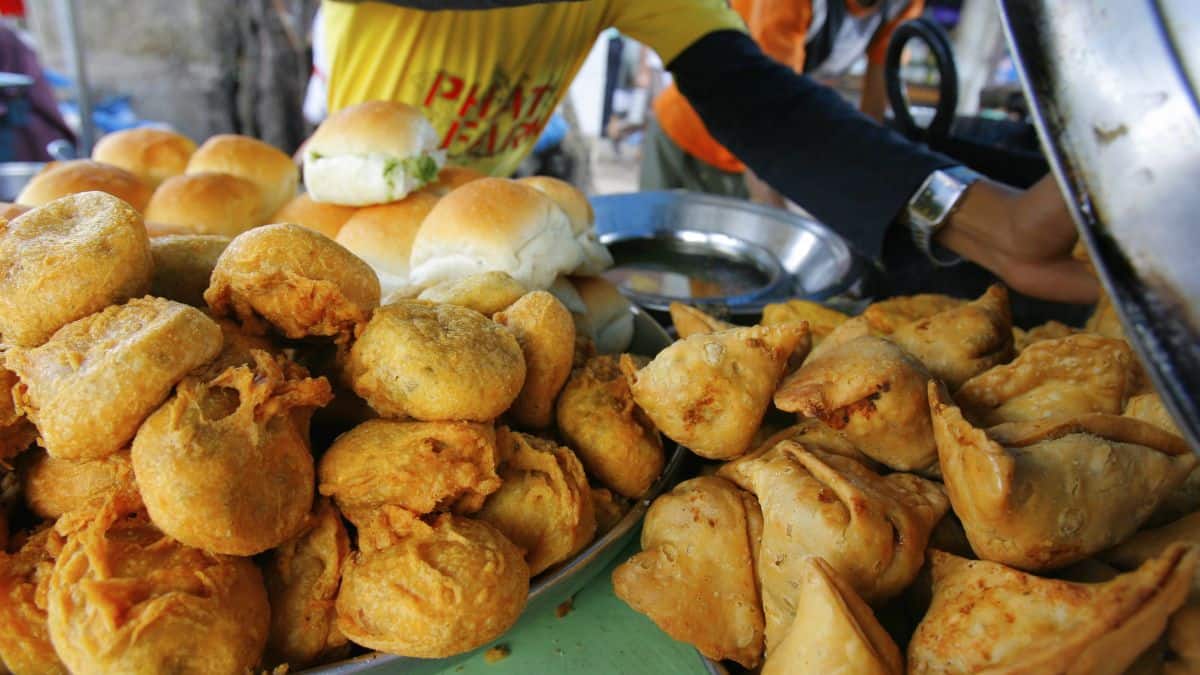
A cook at a street-side snack stall arranges vada pavs and samosas in Mumbai. A high-fat diet plays a big role in India's obesity story.
Diabetes: India’s bitter reality
Some argue that much of the diabetes epidemic is missed because current obesity definitions are too narrow. The authors say sticking to outdated BMI-centric models risks the health of millions of people, who may appear healthy but are already metabolically vulnerable.
For a country like India, where diabetes often strikes at a younger age, the findings can improve screening, prevention, and care. Dr Misra said, “A substantial part of India’s diabetes epidemic is likely underestimated because of international obesity definitions, including those provided by WHO, and that is why lower BMI and waist circumference criteria have been included in Indian definitions in 2009 and 2025.”
“Studies cited in our paper show diabetes risk begins rising even around BMI 21–22 and at waist circumference of more than 90 cm in men and 80 cm in women. We have greater fat below the abdominal skin, inside the abdomen, and in the liver, all detrimental to metabolism,” he added.
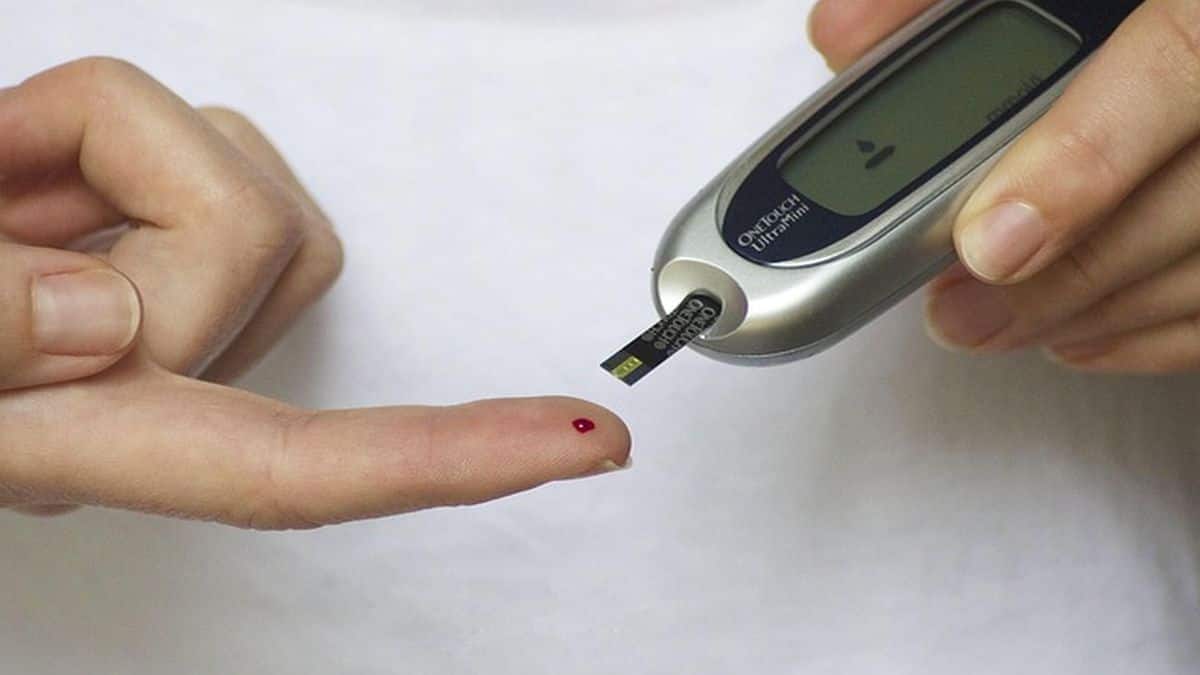
India is the diabetes capital of the world. Experts believe that detecting diabetes becomes difficult because of the faulty obesity definitions. Pixabay
BMI remains useful but…
According to Dr Misra, BMI remains useful in epidemiological and population-based studies because it is a simple, inexpensive, and universally applicable measure that can be performed anywhere, including in low-resource nations. “For this reason, in the new obesity definition we proposed (Stage 1 and Stage 2 obesity), BMI has been retained as an initial screening measurement, with additional measures added to improve risk assessment and clinical relevance.”
The paper proposes shifting towards a “function-based” definition of obesity involving waist circumference, weight-to-height ratio, body fat percentage, liver health, glucose markers, lipid profiles, and organ dysfunction.
Dr Misra added that it is feasible to apply the new model in Indian healthcare “if implemented pragmatically”. “Sophisticated scans are not always necessary. Waist circumference, waist-to-height ratio, blood glucose, lipid profile, and simple assessment of obesity-related symptoms can identify high-risk individuals even in smaller cities and rural areas. Waist circumference should become a routine clinical vital sign.”
The authors insist that doctors should diagnose conditions based on the body rather than on a single measurement such as BMI. The paper's main message is thus: Obesity is not about body size. Indians must take care of their health long before they begin to put on weight or start facing health problems.