







What is the story about?
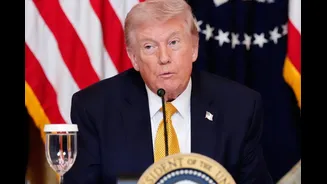
United States President Donald Trump has turned to a century-old maritime law in an attempt to manage the fallout of a rapidly escalating crisis in West Asia.
Oil prices have surged and supply chains have come under strain as the US, Israel, and Iran trade strikes in the ongoing conflict, effectively disrupting the Strait of Hormuz — a chokepoint through which roughly 20 per cent of global oil and liquefied natural gas typically flows.
Washington announced a temporary waiver of the Jones Act on Wednesday, a decision that allows foreign-flagged vessels to transport critical goods between US ports for a period of 60 days.
The waiver comes alongside broader adjustments, including easing restrictions on Venezuela’s oil exports and releasing large volumes from US strategic reserves.,
The Jones Act is a central provision of the Merchant Marine Act of 1920, a federal statute enacted in the aftermath of World War I. It governs cabotage — the transport of goods between domestic ports — and establishes strict requirements for vessels engaged in such trade.
Under the law, any ship moving cargo between two points within the United States must satisfy four core conditions.
It must be constructed in an American shipyard, registered under the US flag, owned by a company in which at least 75 per cent of the stake is held by US citizens, and crewed primarily by American nationals or permanent residents.
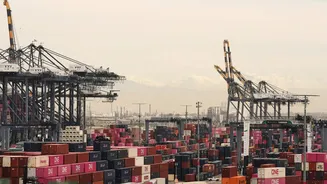
These provisions effectively limit domestic maritime transport to a relatively small fleet of US-compliant vessels, excluding foreign-built or foreign-operated ships from participating in this segment of trade.
The law’s reach extends across all US coastal and inland waterways, including routes connecting the mainland to non-contiguous regions such as Alaska, Hawaii, and Puerto Rico. As a result, it plays a critical role in determining the cost and logistics of transporting goods within the country.
In the wake of World War I, US policymakers were keen to ensure that the country would not be dependent on foreign shipping capacity in future conflicts.
The legislation was championed by then-US Senator Wesley Jones of Washington state and passed by Congress with the aim of rebuilding a depleted maritime fleet. It sought to guarantee the availability of ships and trained personnel that could be mobilised during wartime to support military operations and supply chains.
In addition to its national security objectives, the law was designed to stimulate domestic shipbuilding and create employment opportunities within the maritime sector. Over time, it has been credited with supporting hundreds of thousands of jobs and generating substantial economic activity in the United States.
However, the protectionist nature of the law has also been a source of contention. By restricting competition, it has been associated with higher shipping costs, particularly for regions that rely heavily on maritime imports.
For places like Puerto Rico and Hawaii, where alternatives such as rail or road transport are not viable, these costs can have a significant impact on the price of goods.
The conflict in West Asia has had immediate and far-reaching consequences for global energy markets.
A major turning point came when Iran halted traffic through the Strait of Hormuz, effectively cutting off a vital route for oil and gas shipments from the Persian Gulf. This disruption has constrained global supply and driven prices sharply higher.
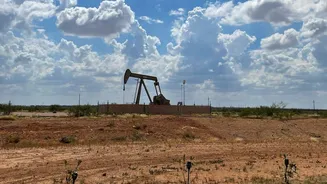
Estimates suggest that production losses in the region could amount to between 7 million and 10 million barrels per day, representing up to 10 per cent of global demand. The resulting supply shock has been reflected in rising fuel costs worldwide, with US gasoline prices increasing by more than a quarter in a matter of weeks.
Against this backdrop, the Trump administration has sought to alleviate domestic pressures by expanding the pool of vessels available for transporting energy and other essential goods within the United States.
The temporary waiver issued by the administration provides an exemption from the Jones Act’s requirements in the “interest of national defence.” For a period of 60 days, foreign-flagged ships are permitted to carry a range of commodities between US ports.
These include crude oil and refined petroleum products such as gasoline, diesel, and jet fuel, as well as natural gas and its derivatives. Fertiliser — considered critical for the ongoing agricultural season — is also covered under the waiver, along with coal and other energy-related materials.
By allowing non-US vessels to participate in domestic shipping, the measure is intended to increase logistical flexibility and reduce transportation costs. This is particularly relevant for moving fuel from Gulf Coast refineries to the East and West Coasts, where demand is high.
White House press secretary Karoline Leavitt said the waiver would help “mitigate the short-term disruptions to the oil market” during the Iran war and would “allow vital resources like oil, natural gas, fertiliser, and coal to flow freely to US ports.”
The move is also expected to provide relief to sectors such as agriculture, where access to affordable fertiliser is crucial during the spring planting season.
The Jones Act waiver is only one component of a wider set of policy measures aimed at addressing the energy crisis. The Trump administration has simultaneously taken steps to boost supply and manage demand.
Among these is the release of 172 million barrels from the Strategic Petroleum Reserve, a move intended to inject additional supply into the market and temper price increases. The government has also temporarily relaxed environmental regulations on summer-grade gasoline to facilitate production and distribution.
In parallel, Washington has eased certain sanctions on Venezuela, allowing US companies to engage in limited transactions with the country’s state-owned oil firm, Petróleos de Venezuela S.A. (PDVSA).
The new licence permits companies that were operational before January 29, 2025, to purchase Venezuelan oil and conduct transactions that would otherwise be prohibited.
However, the arrangement includes strict conditions. Payments cannot be made directly to sanctioned entities such as PDVSA and must instead be routed through a U.S.-controlled account, ensuring oversight of financial flows.
Certain transactions remain off-limits, including those involving Russia, Iran, North Korea, Cuba, and specific Chinese entities. Deals related to Venezuelan debt or bonds are also excluded, and payments in gold or cryptocurrency are not permitted.
These measures are designed to encourage investment in Venezuela’s energy sector while increasing global supply, though they have also attracted criticism from those who argue that they benefit a government accused of repression and corruption.
Despite the array of interventions, energy markets have continued to exhibit significant volatility. Oil prices have risen in response to supply disruptions, and futures markets have reflected heightened uncertainty.
Inventory data has also provided mixed signals. According to the Energy Information Administration, US crude stockpiles increased by 6.2 million barrels to 449.3 million barrels in the week ending March 13, exceeding market expectations.
At the same time, inventories of gasoline and distillates declined, suggesting robust consumption.
In Iraq, exports from the Kirkuk oilfields to Turkey’s Ceyhan port have resumed following an agreement between Baghdad and the Kurdistan Regional Government. Initial export capacity has been set at 250,000 barrels per day.
Iraq has also signed agreements to ship crude via routes through Turkey, Jordan, and Syria, while Libya has redirected flows from the Sharara oilfield after a fire disrupted operations.
These adjustments, while significant, have not fully offset the impact of disruptions in the Gulf due to the central role of the Strait of Hormuz in global energy supply.
Also Watch:
With inputs from agencies
Oil prices have surged and supply chains have come under strain as the US, Israel, and Iran trade strikes in the ongoing conflict, effectively disrupting the Strait of Hormuz — a chokepoint through which roughly 20 per cent of global oil and liquefied natural gas typically flows.
Washington announced a temporary waiver of the Jones Act on Wednesday, a decision that allows foreign-flagged vessels to transport critical goods between US ports for a period of 60 days.
The waiver comes alongside broader adjustments, including easing restrictions on Venezuela’s oil exports and releasing large volumes from US strategic reserves.,
What is the Jones Act and how does it work?
The Jones Act is a central provision of the Merchant Marine Act of 1920, a federal statute enacted in the aftermath of World War I. It governs cabotage — the transport of goods between domestic ports — and establishes strict requirements for vessels engaged in such trade.
Under the law, any ship moving cargo between two points within the United States must satisfy four core conditions.
It must be constructed in an American shipyard, registered under the US flag, owned by a company in which at least 75 per cent of the stake is held by US citizens, and crewed primarily by American nationals or permanent residents.
These provisions effectively limit domestic maritime transport to a relatively small fleet of US-compliant vessels, excluding foreign-built or foreign-operated ships from participating in this segment of trade.
The law’s reach extends across all US coastal and inland waterways, including routes connecting the mainland to non-contiguous regions such as Alaska, Hawaii, and Puerto Rico. As a result, it plays a critical role in determining the cost and logistics of transporting goods within the country.
Why was the law introduced after World War I?
In the wake of World War I, US policymakers were keen to ensure that the country would not be dependent on foreign shipping capacity in future conflicts.
The legislation was championed by then-US Senator Wesley Jones of Washington state and passed by Congress with the aim of rebuilding a depleted maritime fleet. It sought to guarantee the availability of ships and trained personnel that could be mobilised during wartime to support military operations and supply chains.
In addition to its national security objectives, the law was designed to stimulate domestic shipbuilding and create employment opportunities within the maritime sector. Over time, it has been credited with supporting hundreds of thousands of jobs and generating substantial economic activity in the United States.
However, the protectionist nature of the law has also been a source of contention. By restricting competition, it has been associated with higher shipping costs, particularly for regions that rely heavily on maritime imports.
For places like Puerto Rico and Hawaii, where alternatives such as rail or road transport are not viable, these costs can have a significant impact on the price of goods.
What triggered Trump's waiver of the Jones Act?
The conflict in West Asia has had immediate and far-reaching consequences for global energy markets.
A major turning point came when Iran halted traffic through the Strait of Hormuz, effectively cutting off a vital route for oil and gas shipments from the Persian Gulf. This disruption has constrained global supply and driven prices sharply higher.
Estimates suggest that production losses in the region could amount to between 7 million and 10 million barrels per day, representing up to 10 per cent of global demand. The resulting supply shock has been reflected in rising fuel costs worldwide, with US gasoline prices increasing by more than a quarter in a matter of weeks.
Against this backdrop, the Trump administration has sought to alleviate domestic pressures by expanding the pool of vessels available for transporting energy and other essential goods within the United States.
What does the 60-day waiver allow and cover?
The temporary waiver issued by the administration provides an exemption from the Jones Act’s requirements in the “interest of national defence.” For a period of 60 days, foreign-flagged ships are permitted to carry a range of commodities between US ports.
These include crude oil and refined petroleum products such as gasoline, diesel, and jet fuel, as well as natural gas and its derivatives. Fertiliser — considered critical for the ongoing agricultural season — is also covered under the waiver, along with coal and other energy-related materials.
By allowing non-US vessels to participate in domestic shipping, the measure is intended to increase logistical flexibility and reduce transportation costs. This is particularly relevant for moving fuel from Gulf Coast refineries to the East and West Coasts, where demand is high.
White House press secretary Karoline Leavitt said the waiver would help “mitigate the short-term disruptions to the oil market” during the Iran war and would “allow vital resources like oil, natural gas, fertiliser, and coal to flow freely to US ports.”
The move is also expected to provide relief to sectors such as agriculture, where access to affordable fertiliser is crucial during the spring planting season.
What else is being done to alleviate energy prices?
The Jones Act waiver is only one component of a wider set of policy measures aimed at addressing the energy crisis. The Trump administration has simultaneously taken steps to boost supply and manage demand.
Among these is the release of 172 million barrels from the Strategic Petroleum Reserve, a move intended to inject additional supply into the market and temper price increases. The government has also temporarily relaxed environmental regulations on summer-grade gasoline to facilitate production and distribution.
In parallel, Washington has eased certain sanctions on Venezuela, allowing US companies to engage in limited transactions with the country’s state-owned oil firm, Petróleos de Venezuela S.A. (PDVSA).
The new licence permits companies that were operational before January 29, 2025, to purchase Venezuelan oil and conduct transactions that would otherwise be prohibited.
However, the arrangement includes strict conditions. Payments cannot be made directly to sanctioned entities such as PDVSA and must instead be routed through a U.S.-controlled account, ensuring oversight of financial flows.
Certain transactions remain off-limits, including those involving Russia, Iran, North Korea, Cuba, and specific Chinese entities. Deals related to Venezuelan debt or bonds are also excluded, and payments in gold or cryptocurrency are not permitted.
These measures are designed to encourage investment in Venezuela’s energy sector while increasing global supply, though they have also attracted criticism from those who argue that they benefit a government accused of repression and corruption.
What next?
Despite the array of interventions, energy markets have continued to exhibit significant volatility. Oil prices have risen in response to supply disruptions, and futures markets have reflected heightened uncertainty.
Inventory data has also provided mixed signals. According to the Energy Information Administration, US crude stockpiles increased by 6.2 million barrels to 449.3 million barrels in the week ending March 13, exceeding market expectations.
At the same time, inventories of gasoline and distillates declined, suggesting robust consumption.
In Iraq, exports from the Kirkuk oilfields to Turkey’s Ceyhan port have resumed following an agreement between Baghdad and the Kurdistan Regional Government. Initial export capacity has been set at 250,000 barrels per day.
Iraq has also signed agreements to ship crude via routes through Turkey, Jordan, and Syria, while Libya has redirected flows from the Sharara oilfield after a fire disrupted operations.
These adjustments, while significant, have not fully offset the impact of disruptions in the Gulf due to the central role of the Strait of Hormuz in global energy supply.
Also Watch:
With inputs from agencies