








What is the story about?
India is watching events in Venezuela closely.
The Trump administration removing long-time strongman Nicolás Maduro and vowing to take over the country’s oil could potentially play into India’s hands.
The US President has claimed that Venezuela will be “turning over” 30 to 50 million barrels of sanctioned oil.
“This oil will be sold at its market price, and that money will be controlled by me, as President of the United States of America, to ensure it is used to benefit the people of Venezuela and the United States!” Trump wrote on social media.
But what do we know? Why does this matter? Let’s take a closer look.
India is one of the world’s biggest consumers of oil.
Data show India requires around 5 million barrels of oil per day to meet domestic requirements. Little surprise then that the country imports around 90 per cent of its crude oil, making it among the top global importers.
Before the outbreak of the Ukraine war in 2022, India got most of its oil from Iraq (24 per cent), Saudi Arabia (16 per cent), the United States (10 per cent) and Russia (two per cent). However, since then, India has seen a sea change in where it gets its oil.
Since 2022, India has imported crude oil worth nearly $144 billion from Russia. New Delhi is Moscow’s second-biggest crude importer after Beijing, as per data from the Centre for Research on Energy and Clean Air (CREA).
Much of this is due to the deep discounts Russia offered on its oil in 2022 and 2023. While Russia reduced its discounts in 2024, India continued to buy Russian crude in large amounts.
India today gets around 35 per cent of its oil from Russia – around two million barrels of oil per day. India also gets oil from Iraq, Saudi Arabia, the UAE and the United States in large quantities, as well as Kuwait, West Africa and Mexico in smaller amounts.
India currently buys discounted Russian crude, around $10 to $15 (Rs 903 to Rs 1,354) per barrel cheaper than Brent — which is priced at around $63 (Rs 5,687) per barrel. Even after shipping costs, Russian crude may only cost around $50 to $54 (Rs 4,514 to Rs 4,875) per barrel for India.
However, Russia has been increasingly under pressure from the United States and the European Union. Trump previously imposed a 25 per cent levy on India for buying Russian crude, which has already factored into the oil price. He has also given his seal of approval to a bill which would allow the United States to levy a 500 per cent tariff on those buying oil from Russia.
New Delhi, as a result, has been diversifying its oil sources. According to data from analysis firm Kpler, Russian supply of crude oil to India fell to a three-year low of about 1.2 million barrels per day in December 2025. Data from the Union Commerce Ministry in December showed that India’s oil bill went from $5.8 billion (Rs. 523.6 billion) in October 2024 to $3.55 billion (Rs. 320.5 billion) in October 2025.
India, at the same time, has been increasing its crude oil imports from the United States. US crude oil imports touched 2.7 million tonnes in November 2025, comprising 13.2 per cent of total imports. This comes after India’s US crude oil imports spiked almost 92 per cent between April and November 2025 compared to the same period in 2024.
Venezuela, meanwhile, is nowhere to be seen when it comes to the list of India’s oil imports. This is because India, as per the Ministry of Commerce, comprised just one per cent of the country’s total crude import bill between April and December 2024 at $1 billion (Rs 90.27 billion). Data show that India imported a meagre 22 million barrels of Venezuelan crude in 2024, around 1.5 per cent of its total crude imports in that year.
Interestingly, this was not always the case. In the mid-2010s, Venezuela comprised around 12 per cent of India’s oil imports. In 2013, trade between the two countries hit $13 billion (Rs 1.17 trillion), around 10 per cent of India’s total crude imports. However, by 2020, the oil trade had hit a low of just $0.64 billion (Rs 57.8 billion).
So, what happened? US sanctions resulted in Venezuela’s crude not being widely available in global markets. Payment difficulties and market dynamics also drastically altered the equation for India. Now, with Venezuela poised to reopen its oil supply to the world, India must decide if it is worth taking a relook at Caracas again as a potential oil source.
However, it is likely that Venezuelan crude will be priced at around $60 (Rs 5,416) per barrel after shipping routes – direct from Venezuela or via the US – and pricing mechanisms are decided. At this level, it would be around $7 to $10 (Rs 632 to Rs 903) per barrel more expensive than Russian oil to India. If it is tagged to the price of Brent crude, it could be even higher.
Experts say it will take some time to see how things shake out.
“It’s too early to say anything yet because the US policy on Venezuela’s governance is still indeterminate,” Deepak Bhojwani, former Indian Ambassador to Venezuela, told The Quint.
“Though President Trump has said they will exploit Venezuelan oil, we cannot be certain what role non-US companies may be called upon to play in exploration and related activities,” he added. “Possible benefits to India will depend upon the price at which the oil is offered, which again will depend upon who will be allowed to sell because the US may not give Venezuelan oil companies a free hand. Trump may decide to first allow US-based companies that operated earlier in Venezuela to recover what they lost and only then compensate others.”
Economist Soumya Bhowmick told the outlet that more stability in Venezuela’s energy market would make things more predictable for India. “That could help unlock long-pending receivables and dividends for Indian companies and give India incremental diversification in trade with Venezuela,” Bhowmick added.
In short, Russian oil remains a safer bet for India right now. Venezuelan crude could become a valuable diversification in the medium to long term, but only if production and politics stabilise.
With inputs from agencies
The Trump administration removing long-time strongman Nicolás Maduro and vowing to take over the country’s oil could potentially play into India’s hands.
The US President has claimed that Venezuela will be “turning over” 30 to 50 million barrels of sanctioned oil.
“This oil will be sold at its market price, and that money will be controlled by me, as President of the United States of America, to ensure it is used to benefit the people of Venezuela and the United States!” Trump wrote on social media.
But what do we know? Why does this matter? Let’s take a closer look.
India’s oil requirements
India is one of the world’s biggest consumers of oil.
Data show India requires around 5 million barrels of oil per day to meet domestic requirements. Little surprise then that the country imports around 90 per cent of its crude oil, making it among the top global importers.
Before the outbreak of the Ukraine war in 2022, India got most of its oil from Iraq (24 per cent), Saudi Arabia (16 per cent), the United States (10 per cent) and Russia (two per cent). However, since then, India has seen a sea change in where it gets its oil.
Since 2022, India has imported crude oil worth nearly $144 billion from Russia. New Delhi is Moscow’s second-biggest crude importer after Beijing, as per data from the Centre for Research on Energy and Clean Air (CREA).
Much of this is due to the deep discounts Russia offered on its oil in 2022 and 2023. While Russia reduced its discounts in 2024, India continued to buy Russian crude in large amounts.
India’s dependence on Russian crude
India today gets around 35 per cent of its oil from Russia – around two million barrels of oil per day. India also gets oil from Iraq, Saudi Arabia, the UAE and the United States in large quantities, as well as Kuwait, West Africa and Mexico in smaller amounts.
India currently buys discounted Russian crude, around $10 to $15 (Rs 903 to Rs 1,354) per barrel cheaper than Brent — which is priced at around $63 (Rs 5,687) per barrel. Even after shipping costs, Russian crude may only cost around $50 to $54 (Rs 4,514 to Rs 4,875) per barrel for India.
However, Russia has been increasingly under pressure from the United States and the European Union. Trump previously imposed a 25 per cent levy on India for buying Russian crude, which has already factored into the oil price. He has also given his seal of approval to a bill which would allow the United States to levy a 500 per cent tariff on those buying oil from Russia.
India today gets around 35 per cent of its oil from Russia – around two million barrels of oil per day.
New Delhi, as a result, has been diversifying its oil sources. According to data from analysis firm Kpler, Russian supply of crude oil to India fell to a three-year low of about 1.2 million barrels per day in December 2025. Data from the Union Commerce Ministry in December showed that India’s oil bill went from $5.8 billion (Rs. 523.6 billion) in October 2024 to $3.55 billion (Rs. 320.5 billion) in October 2025.
India, at the same time, has been increasing its crude oil imports from the United States. US crude oil imports touched 2.7 million tonnes in November 2025, comprising 13.2 per cent of total imports. This comes after India’s US crude oil imports spiked almost 92 per cent between April and November 2025 compared to the same period in 2024.
India’s crude imports from Venezuela
Venezuela, meanwhile, is nowhere to be seen when it comes to the list of India’s oil imports. This is because India, as per the Ministry of Commerce, comprised just one per cent of the country’s total crude import bill between April and December 2024 at $1 billion (Rs 90.27 billion). Data show that India imported a meagre 22 million barrels of Venezuelan crude in 2024, around 1.5 per cent of its total crude imports in that year.
Interestingly, this was not always the case. In the mid-2010s, Venezuela comprised around 12 per cent of India’s oil imports. In 2013, trade between the two countries hit $13 billion (Rs 1.17 trillion), around 10 per cent of India’s total crude imports. However, by 2020, the oil trade had hit a low of just $0.64 billion (Rs 57.8 billion).
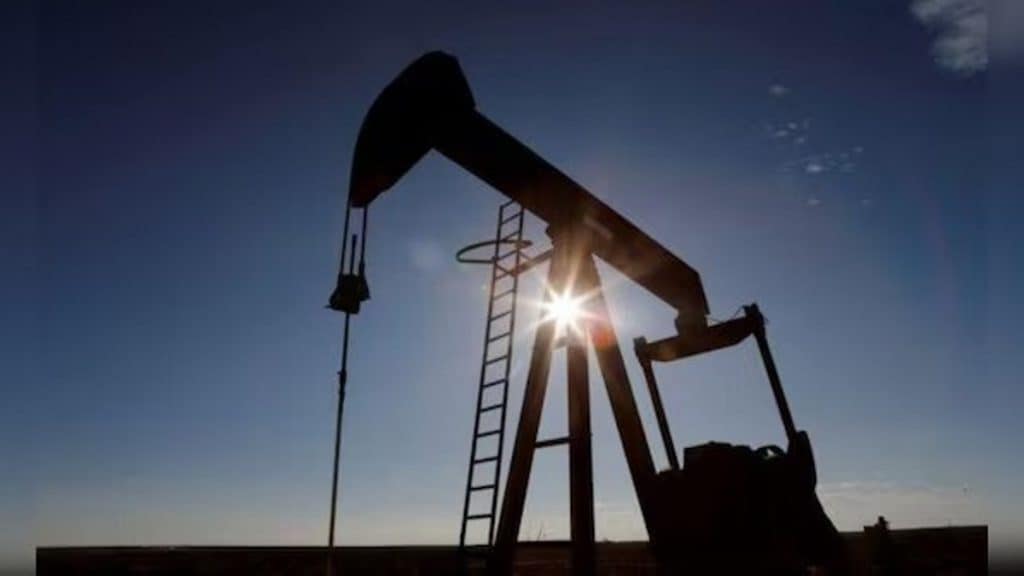
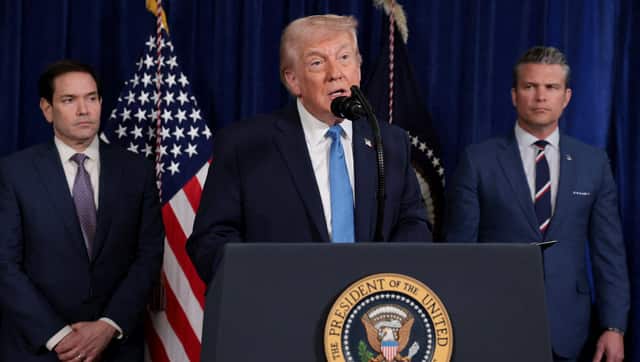
US President Donald Trump has claimed that Venezuela will be “turning over” 30 to 50 million barrels of sanctioned oil. Reuters
So, what happened? US sanctions resulted in Venezuela’s crude not being widely available in global markets. Payment difficulties and market dynamics also drastically altered the equation for India. Now, with Venezuela poised to reopen its oil supply to the world, India must decide if it is worth taking a relook at Caracas again as a potential oil source.
However, it is likely that Venezuelan crude will be priced at around $60 (Rs 5,416) per barrel after shipping routes – direct from Venezuela or via the US – and pricing mechanisms are decided. At this level, it would be around $7 to $10 (Rs 632 to Rs 903) per barrel more expensive than Russian oil to India. If it is tagged to the price of Brent crude, it could be even higher.
Which works better for India?
Experts say it will take some time to see how things shake out.
“It’s too early to say anything yet because the US policy on Venezuela’s governance is still indeterminate,” Deepak Bhojwani, former Indian Ambassador to Venezuela, told The Quint.
“Though President Trump has said they will exploit Venezuelan oil, we cannot be certain what role non-US companies may be called upon to play in exploration and related activities,” he added. “Possible benefits to India will depend upon the price at which the oil is offered, which again will depend upon who will be allowed to sell because the US may not give Venezuelan oil companies a free hand. Trump may decide to first allow US-based companies that operated earlier in Venezuela to recover what they lost and only then compensate others.”
Economist Soumya Bhowmick told the outlet that more stability in Venezuela’s energy market would make things more predictable for India. “That could help unlock long-pending receivables and dividends for Indian companies and give India incremental diversification in trade with Venezuela,” Bhowmick added.
In short, Russian oil remains a safer bet for India right now. Venezuelan crude could become a valuable diversification in the medium to long term, but only if production and politics stabilise.
With inputs from agencies