



What is the story about?
The United States has a new goal in Iran – taking Tehran’s uranium.
The news was first reported in the Wall Street Journal that US President Donald Trump was considering authorising an operation to do so. However, this is widely considered to be a difficult and costly operation that could result in many US troops losing their lives.
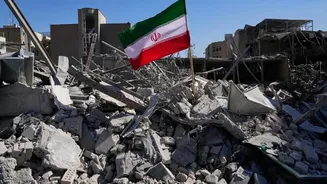
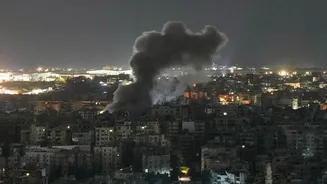
The development comes in the backdrop of Israel saying it has attacked a uranium processing plant in Iran during its latest wave of air strikes. Iran has said there is no risk of radioactive leaks. It also comes as US Vice President JD Vance, over the weekend, accused Israel’s Prime Minister Benjamin Netanyahu of being ‘overly optimistic’ about the chances of regime change in Iran.
But what do we know? Why does Trump want to take Iran’s uranium? Why could this prove a costly and complex affair?
Let’s take a closer look.
The Wall Street Journal reported that Trump is considering a special ground operation to take Iran’s stockpile of uranium, which is said to be at around 450 kilos. The outlet quoted senior officials as saying that Trump had made no final decision as of yet.
The US president is reportedly considering the risk of the operation to US soldiers. The newspaper reported that Trump and his allies within the White House agree that such an operation is feasible. Those in favour of such an operation also argue that this could be undertaken without extending the war unduly. Vance earlier said the operation in Iran could last between four and six weeks.
Trump has told his advisers to ask Iran to agree to surrender the uranium of their own accord, WSJ cited a person in the know as saying. Trump has made it clear that the Iran war cannot come to an end without Iran agreeing to give up its nuclear programme.
To understand why this matters, we need to look at enriched uranium. Uranium in its natural form is not particularly useful. But once it is enriched — especially to levels of 20 per cent and above — it becomes strategically significant. At around 60 per cent enrichment, uranium is already most of the way to weapons-grade, which is typically considered to be around 90 per cent.
In practical terms, that means the “breakout time” to build a nuclear weapon shrinks dramatically.
This is why Iran’s stockpile has been a point of global concern for years. Possessing highly enriched uranium does not mean a country has a nuclear bomb. But it does mean that the hardest part of the process — enrichment — is largely complete. What remains is weaponisation, which, while complex, is faster once sufficient fissile material is available. This is also why international agreements have historically focused more on limiting enrichment levels rather than eliminating nuclear capability entirely.
Iran was believed to have around 450 kilograms of 60 per cent highly enriched uranium as well as 200 kilograms of 20 per cent fissile material prior to Last year’s 12 Day War.
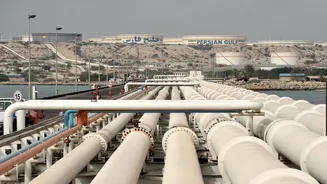
International Atomic Energy Agency Director General Rafael Grossi has claimed that Iran is storing its nuclear material at two of the three sites that the US attacked: an underground tunnel at the nuclear complex in Isfahan and a cache at Natanz.
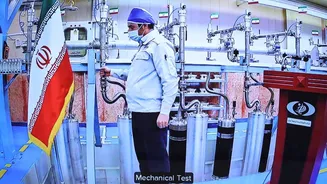
Experts say moving uranium is no small feat. Grossi, speaking to CBS earlier this month, laid out the scale of the undertaking. The uranium is stored in gaseous form within cylinders, which are very difficult to handle and transport, Grossi explained.
Richard Nephew, a senior research scholar at Columbia University and a former nuclear negotiator with Iran, told the newspaper that these cylinders would need to be placed in transport casks, which could fill several trucks.
Decoy cylinders, booby traps, and mines could also endanger those moving and extracting the uranium. All this would require specialised equipment to be sent to Iran. Perimeters would need to be established around the nuclear site and a makeshift airfield set up, experts said. Experts said the operation would take days, if not at least a week. The US has previously overseen the removal of enriched uranium from other countries, including Kazakhstan in 1994 and Georgia in 1998.
However, this would be a completely different operation. To get to Iran’s uranium, US forces would have to take fire from air defences, drones, and missiles. Putting boots on the ground in Iran would be a dangerous escalation of the conflict.
“This is not a quick in-and-out kind of deal,” said Joseph Votel, a former commander of US Central Command, who was quoted as saying. This could result in Iran lashing out at the US and its assets in West Asia, which would only escalate the war dangerously further.
Experts have already warned that the US would need hundreds of thousands of troops in order to even have a chance at taking Iran. For comparison, the US invaded Iraq in 2003 with around 250,000 troops. A ground invasion in Iran, a country of 93 million which has a vast terrain, could result in the loss of tens of thousands of US troops and Washington’s forces being tied up in the region for decades.
However, Trump seems unmoved. The US president on Sunday night attempted to threaten Iran into complying with US demands, saying "they're not going to have a country" otherwise. "They're going to give us the nuclear dust," he added.
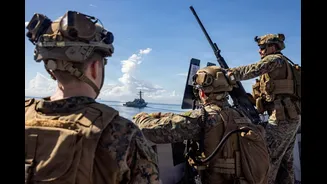
The Pentagon is preparing to deploy around 10,000 additional ground troops to the Gulf. US Central Command last week announced that over 3,500 troops, including 2,500 Marines, had arrived in West Asia.
US Secretary of Defense Pete Hegseth has said that Washington retains “a range of options, up to and including Iran deciding that they will give [it] up, which of course we would welcome.”
“I would never tell this group or the world what we’re willing to do or how far we’re willing to go, but we have options, for sure,” Hegseth said. “The president has kept his eye focused on nuclear capabilities,” he said earlier in March. “We have a range of options; we would welcome Iran deciding that they will give those up.”
1) Does having enriched uranium mean Iran has a nuclear bomb?
No. Enriched uranium is only one part of building a nuclear weapon. While high enrichment reduces the time needed, weaponisation and delivery systems are separate and complex steps.
2) Why is 60 per cent enriched uranium considered dangerous?
Because it significantly shortens the time required to reach weapons-grade levels (around 90 per cent). The higher the enrichment, the faster a country can potentially develop a nuclear weapon.
3) Has the US removed nuclear material from other countries before?
Yes. The US has overseen operations to remove enriched uranium from countries such as Kazakhstan (1994) and Georgia (1998). However, experts say Iran would be far more complex due to its size, defences, and geopolitical situation.
With inputs from agencies
The news was first reported in the Wall Street Journal that US President Donald Trump was considering authorising an operation to do so. However, this is widely considered to be a difficult and costly operation that could result in many US troops losing their lives.
The development comes in the backdrop of Israel saying it has attacked a uranium processing plant in Iran during its latest wave of air strikes. Iran has said there is no risk of radioactive leaks. It also comes as US Vice President JD Vance, over the weekend, accused Israel’s Prime Minister Benjamin Netanyahu of being ‘overly optimistic’ about the chances of regime change in Iran.
But what do we know? Why does Trump want to take Iran’s uranium? Why could this prove a costly and complex affair?
Let’s take a closer look.
What we know
The Wall Street Journal reported that Trump is considering a special ground operation to take Iran’s stockpile of uranium, which is said to be at around 450 kilos. The outlet quoted senior officials as saying that Trump had made no final decision as of yet.
The US president is reportedly considering the risk of the operation to US soldiers. The newspaper reported that Trump and his allies within the White House agree that such an operation is feasible. Those in favour of such an operation also argue that this could be undertaken without extending the war unduly. Vance earlier said the operation in Iran could last between four and six weeks.
Trump has told his advisers to ask Iran to agree to surrender the uranium of their own accord, WSJ cited a person in the know as saying. Trump has made it clear that the Iran war cannot come to an end without Iran agreeing to give up its nuclear programme.
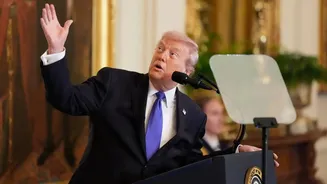
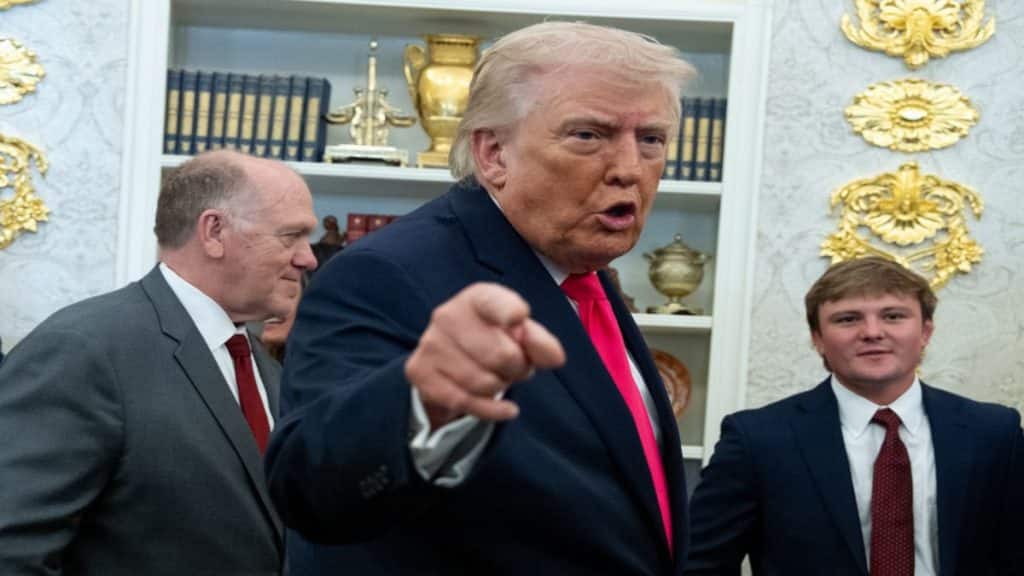
US President Donald Trump is considering a special ground operation to take Iran’s stockpile of uranium, which is said to be at around 450 kilos. APUS President Donald Trump is considering a special ground operation to take Iran’s stockpile of uranium, which is said to be at around 450 kilos. AP
Why uranium matters
To understand why this matters, we need to look at enriched uranium. Uranium in its natural form is not particularly useful. But once it is enriched — especially to levels of 20 per cent and above — it becomes strategically significant. At around 60 per cent enrichment, uranium is already most of the way to weapons-grade, which is typically considered to be around 90 per cent.
This is why Iran’s stockpile has been a point of global concern for years. Possessing highly enriched uranium does not mean a country has a nuclear bomb. But it does mean that the hardest part of the process — enrichment — is largely complete. What remains is weaponisation, which, while complex, is faster once sufficient fissile material is available. This is also why international agreements have historically focused more on limiting enrichment levels rather than eliminating nuclear capability entirely.
Iran was believed to have around 450 kilograms of 60 per cent highly enriched uranium as well as 200 kilograms of 20 per cent fissile material prior to Last year’s 12 Day War.
International Atomic Energy Agency Director General Rafael Grossi has claimed that Iran is storing its nuclear material at two of the three sites that the US attacked: an underground tunnel at the nuclear complex in Isfahan and a cache at Natanz.
Why this could prove a costly and complex affair
Experts say moving uranium is no small feat. Grossi, speaking to CBS earlier this month, laid out the scale of the undertaking. The uranium is stored in gaseous form within cylinders, which are very difficult to handle and transport, Grossi explained.
Richard Nephew, a senior research scholar at Columbia University and a former nuclear negotiator with Iran, told the newspaper that these cylinders would need to be placed in transport casks, which could fill several trucks.
Decoy cylinders, booby traps, and mines could also endanger those moving and extracting the uranium. All this would require specialised equipment to be sent to Iran. Perimeters would need to be established around the nuclear site and a makeshift airfield set up, experts said. Experts said the operation would take days, if not at least a week. The US has previously overseen the removal of enriched uranium from other countries, including Kazakhstan in 1994 and Georgia in 1998.
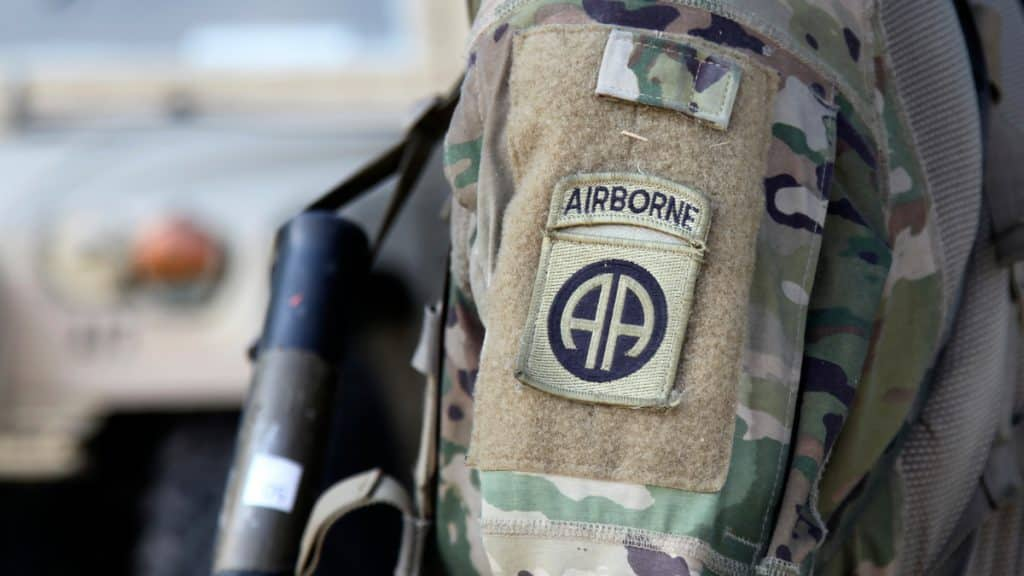
An 82nd Airborne Division paratrooper participates in artillery training during a field exercise at Fort Bragg. AP
However, this would be a completely different operation. To get to Iran’s uranium, US forces would have to take fire from air defences, drones, and missiles. Putting boots on the ground in Iran would be a dangerous escalation of the conflict.
“This is not a quick in-and-out kind of deal,” said Joseph Votel, a former commander of US Central Command, who was quoted as saying. This could result in Iran lashing out at the US and its assets in West Asia, which would only escalate the war dangerously further.
Experts have already warned that the US would need hundreds of thousands of troops in order to even have a chance at taking Iran. For comparison, the US invaded Iraq in 2003 with around 250,000 troops. A ground invasion in Iran, a country of 93 million which has a vast terrain, could result in the loss of tens of thousands of US troops and Washington’s forces being tied up in the region for decades.
However, Trump seems unmoved. The US president on Sunday night attempted to threaten Iran into complying with US demands, saying "they're not going to have a country" otherwise. "They're going to give us the nuclear dust," he added.
The Pentagon is preparing to deploy around 10,000 additional ground troops to the Gulf. US Central Command last week announced that over 3,500 troops, including 2,500 Marines, had arrived in West Asia.
US Secretary of Defense Pete Hegseth has said that Washington retains “a range of options, up to and including Iran deciding that they will give [it] up, which of course we would welcome.”
“I would never tell this group or the world what we’re willing to do or how far we’re willing to go, but we have options, for sure,” Hegseth said. “The president has kept his eye focused on nuclear capabilities,” he said earlier in March. “We have a range of options; we would welcome Iran deciding that they will give those up.”
FAQs
1) Does having enriched uranium mean Iran has a nuclear bomb?
No. Enriched uranium is only one part of building a nuclear weapon. While high enrichment reduces the time needed, weaponisation and delivery systems are separate and complex steps.
2) Why is 60 per cent enriched uranium considered dangerous?
Because it significantly shortens the time required to reach weapons-grade levels (around 90 per cent). The higher the enrichment, the faster a country can potentially develop a nuclear weapon.
3) Has the US removed nuclear material from other countries before?
Yes. The US has overseen operations to remove enriched uranium from countries such as Kazakhstan (1994) and Georgia (1998). However, experts say Iran would be far more complex due to its size, defences, and geopolitical situation.
With inputs from agencies