




What is the story about?
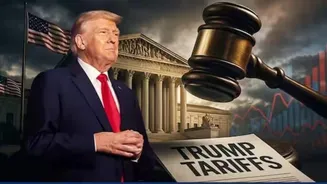
The US Supreme Court is expected to issue its next rulings on January 20 as several major cases remain pending including the legality of President Donald Trump’s sweeping global tariffs.
The court indicated on its website on Friday that it may release decisions in argued cases next Tuesday when the justices take the bench during a scheduled sitting. The court does not announce in advance what cases will be decided.
The Supreme Court on Wednesday held off on deciding challenges to former president Donald Trump’s tariffs, delaying clarity on the future of his flagship economic measure until at least next week.
The legal battle over the tariffs has emerged as a crucial test of presidential authority and of the Supreme Court’s readiness to rein in the expansive powers asserted by the Republican leader since his return to office in January 2025. The ruling is widely seen as having major implications for global trade and the broader world economy.
According to Reuters , the dispute centres on Trump’s reliance on the 1977 International Emergency Economic Powers Act to impose broad tariffs on trading partners by declaring a series of national emergencies. The law was originally designed for use in exceptional crisis situations.
During hearings on November 5, both conservative and liberal justices appeared sceptical about the legality of the tariffs imposed under the emergency statute. The Trump administration is now appealing lower court rulings that found the president had exceeded his legal authority.
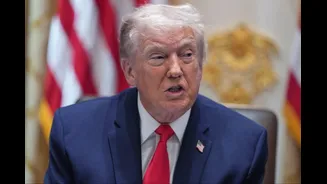
Trump has openly expressed concern about how the case could be decided. Writing on social media recently, he said, “If the Supreme Court rules against the United States of America on this National Security bonanza, WE’RE SCREWED!” The remarks came after weeks of posts in which he cautioned that losing the authority to impose tariffs would severely damage the country.
US Treasury Secretary Scott Bessent told Reuters that even if the court were to invalidate the tariffs, a scenario he said was unlikely — the Treasury has adequate resources to issue any required refunds. However, he cast doubt on whether consumers would actually benefit, saying companies challenging the government might not return the money to customers. “It won’t be a problem if we have to do it,” Bessent said.
The court indicated on its website on Friday that it may release decisions in argued cases next Tuesday when the justices take the bench during a scheduled sitting. The court does not announce in advance what cases will be decided.
The Supreme Court on Wednesday held off on deciding challenges to former president Donald Trump’s tariffs, delaying clarity on the future of his flagship economic measure until at least next week.
The legal battle over the tariffs has emerged as a crucial test of presidential authority and of the Supreme Court’s readiness to rein in the expansive powers asserted by the Republican leader since his return to office in January 2025. The ruling is widely seen as having major implications for global trade and the broader world economy.
According to Reuters , the dispute centres on Trump’s reliance on the 1977 International Emergency Economic Powers Act to impose broad tariffs on trading partners by declaring a series of national emergencies. The law was originally designed for use in exceptional crisis situations.
During hearings on November 5, both conservative and liberal justices appeared sceptical about the legality of the tariffs imposed under the emergency statute. The Trump administration is now appealing lower court rulings that found the president had exceeded his legal authority.
Trump has openly expressed concern about how the case could be decided. Writing on social media recently, he said, “If the Supreme Court rules against the United States of America on this National Security bonanza, WE’RE SCREWED!” The remarks came after weeks of posts in which he cautioned that losing the authority to impose tariffs would severely damage the country.
US Treasury Secretary Scott Bessent told Reuters that even if the court were to invalidate the tariffs, a scenario he said was unlikely — the Treasury has adequate resources to issue any required refunds. However, he cast doubt on whether consumers would actually benefit, saying companies challenging the government might not return the money to customers. “It won’t be a problem if we have to do it,” Bessent said.