



What is the story about?
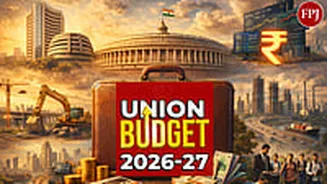
By reframing travel and tourism as catalysts of national growth, India’s Union Budget 2026-27 fundamentally reshapes how Indians move, explore and experience the country and the world at large.
From cheaper international trips to faster domestic connectivity and new tourism-centric infrastructure, several changes will have a direct impact on travelers - even if they weren’t the loudest talking points in headline summaries.

One of the most substantial changes that affects everyday Indian travellers is the reduction in Tax Collected at Source (TCS) on overseas tour packages.
Previously, TCS on foreign tour packages ranged between 5% and 20%, depending on value.
However, budget 2026 reduces this to a flat 2% with no minimum amount condition, lowering upfront cash outflow for Indians booking trips abroad.
Let's understand this with the help of an example: Imagine you booked an international holiday package worth ₹15 lakh (including flights, hotels, etc.). Now before the budget 2026, you were subject to:
For the first ₹10 lakh: 5% TCS = ₹50,000
For the remaining ₹5 lakh: 20% TCS = ₹1,00,000
Total upfront TCS blocked by bank: ₹1,50,000
After Budget 2026, with a flat 2% TCS on the full ₹15 lakh, you’d pay:
2% of ₹15 lakh = ₹30,000
Your upfront cash requirement drops from ₹1,50,000 to ₹30,000 - a savings of ₹1,20,000 at the time of booking, giving you more money to spend on flights, experiences or shopping abroad instead of locking it up with tax authorities.
Note: This change doesn’t reduce your final tax liability, but it improves cash flow and affordability when booking flight and holiday packages - a big deal for middle-class travellers.

The budget announced the development of seven high-speed rail corridors connecting major urban and cultural hubs. These will reduce travel times dramatically between key routes such as Mumbai-Pune, Delhi-Varanasi, Hyderabad-Bengaluru, Varanasi-Siliguri, among other destinations.
While implementation will span several years, the intent is clear: speed, convenience, and greener travel over long distances will become the new normal.
The government plans to operationalize 20 new national waterways as well as incentivize indigenous seaplane manufacturing backed by viability gap funding. These will expand multi-modal transport options, particularly for remote and coastal regions.
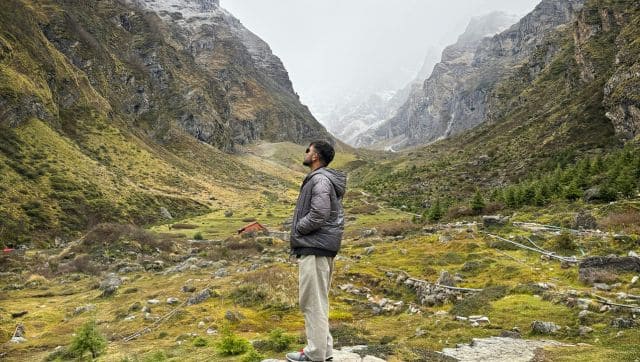
According to Budget 2026, the existing hospitality council will be upgraded to a National Institute of Hospitality and a pilot programme to train 10,000 tourism guides across 20 iconic sites is planned. This means better service quality and more skilled on-ground support for locals and travelers alike.
Additionally, 15 archaeological sites will be developed into vibrant, experiential destinations. Adventure and nature trails such as
mountain hikes in Himachal, Uttarakhand and Jammu and Kashmir, turtle-nesting trails, and bird-watching routes will be established.
This expands India’s travel appeal from conventional sightseeing to experience-rich trips.

The government plans to create five major tourism hubs in the Purvodaya states - Bihar, Jharkhand, West Bengal, Odisha, and Andhra Pradesh - coupled with the deployment of 4,000 e-buses to improve accessibility.
These multi-city hubs are designed to attract more travelers to lesser-visited regions, boosting both local economies and travel diversity.
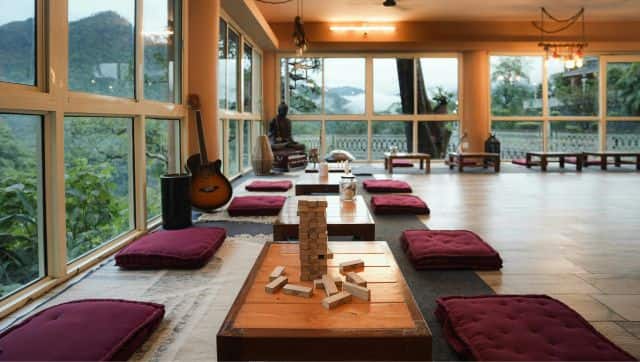
In a quietly significant move, the budget outlines five regional medical tourism hubs that combine healthcare, AYUSH, and rehabilitation facilities. These aren’t just hospitals - they are integrated healthcare complexes designed to attract international patients and boost medical value travel.
The budget further announced the new All India Institutes of Ayurveda that upgrades to AYUSH pharmacies and testing labs to meet global standards. It also focuses on large-scale training of caregivers and wellness professionals, strengthening service quality for medical value travellers.
From cheaper international trips to faster domestic connectivity and new tourism-centric infrastructure, several changes will have a direct impact on travelers - even if they weren’t the loudest talking points in headline summaries.
International trips become affordable!
International travel becomes cheaper as Budget 2026 cuts the Tax Collected at Source (TCS) on overseas tour packages to a flat 2%. Pexels
One of the most substantial changes that affects everyday Indian travellers is the reduction in Tax Collected at Source (TCS) on overseas tour packages.
Previously, TCS on foreign tour packages ranged between 5% and 20%, depending on value.
However, budget 2026 reduces this to a flat 2% with no minimum amount condition, lowering upfront cash outflow for Indians booking trips abroad.
Let's understand this with the help of an example: Imagine you booked an international holiday package worth ₹15 lakh (including flights, hotels, etc.). Now before the budget 2026, you were subject to:
For the first ₹10 lakh: 5% TCS = ₹50,000
For the remaining ₹5 lakh: 20% TCS = ₹1,00,000
Total upfront TCS blocked by bank: ₹1,50,000
After Budget 2026, with a flat 2% TCS on the full ₹15 lakh, you’d pay:
2% of ₹15 lakh = ₹30,000
Your upfront cash requirement drops from ₹1,50,000 to ₹30,000 - a savings of ₹1,20,000 at the time of booking, giving you more money to spend on flights, experiences or shopping abroad instead of locking it up with tax authorities.
Note: This change doesn’t reduce your final tax liability, but it improves cash flow and affordability when booking flight and holiday packages - a big deal for middle-class travellers.
Strong push for domestic connectivity
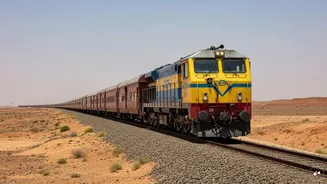
Budget 2026 focuses on reducing travel time and make traveling more accessible. AFP
The budget announced the development of seven high-speed rail corridors connecting major urban and cultural hubs. These will reduce travel times dramatically between key routes such as Mumbai-Pune, Delhi-Varanasi, Hyderabad-Bengaluru, Varanasi-Siliguri, among other destinations.
While implementation will span several years, the intent is clear: speed, convenience, and greener travel over long distances will become the new normal.
The government plans to operationalize 20 new national waterways as well as incentivize indigenous seaplane manufacturing backed by viability gap funding. These will expand multi-modal transport options, particularly for remote and coastal regions.
Tourism infrastructure gets a major upgrade!
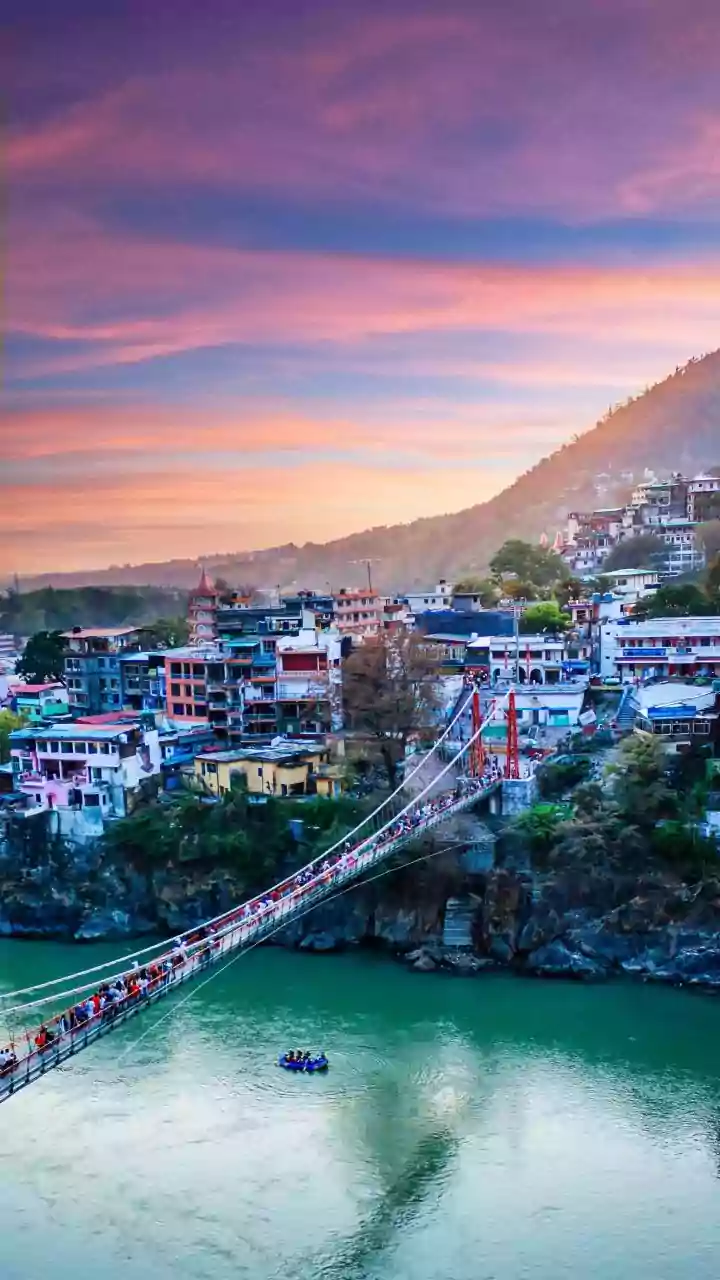
The budget this year heavily focuses on making India a country rich on experiences. Pexels
According to Budget 2026, the existing hospitality council will be upgraded to a National Institute of Hospitality and a pilot programme to train 10,000 tourism guides across 20 iconic sites is planned. This means better service quality and more skilled on-ground support for locals and travelers alike.
Additionally, 15 archaeological sites will be developed into vibrant, experiential destinations. Adventure and nature trails such as
This expands India’s travel appeal from conventional sightseeing to experience-rich trips.
New tourism hubs and regional focus
These 5 destinations in India are soon going to be a hotbed of culture and tourism. Pexels.
The government plans to create five major tourism hubs in the Purvodaya states - Bihar, Jharkhand, West Bengal, Odisha, and Andhra Pradesh - coupled with the deployment of 4,000 e-buses to improve accessibility.
These multi-city hubs are designed to attract more travelers to lesser-visited regions, boosting both local economies and travel diversity.
Medical and wellness travel gets recognition
Medical and wellness travel gets formal recognition in Budget 2026 through a clear, policy-backed push. Pexels
In a quietly significant move, the budget outlines five regional medical tourism hubs that combine healthcare, AYUSH, and rehabilitation facilities. These aren’t just hospitals - they are integrated healthcare complexes designed to attract international patients and boost medical value travel.
The budget further announced the new All India Institutes of Ayurveda that upgrades to AYUSH pharmacies and testing labs to meet global standards. It also focuses on large-scale training of caregivers and wellness professionals, strengthening service quality for medical value travellers.