









What is the story about?
The Union government is likely to prioritise medium-term debt consolidation while maintaining a strong push for capital expenditure in the upcoming budget for 2026-27, according to pre-budget expectations outlined by rating agency ICRA.
The budget assumes special significance as it will be the first to align with the recommendations of the 16th Finance Commission, which will determine fiscal transfers between the Centre and states for the next five years.
ICRA estimates that the Centre’s fiscal deficit will be capped at around 4.3 per cent of GDP in 2026-27, marginally lower than the 4.4 per cent budgeted for 2025-26. This projection is supported by an expected 9.8 per cent growth in nominal GDP.
On the revenue front, ICRA anticipates overall tax revenue growth of around 7 per cent in 2026-27, led by a robust 11 per cent expansion in direct tax collections. However, indirect tax growth is likely to remain muted at about 2 per cent, reflecting the impact of earlier GST rate reductions implemented since September 2025.
After accounting for central tax devolution to states—estimated at Rs 15.4 trillion—the Centre’s net tax revenues are projected to grow by 5.2 per cent to Rs 28.5 trillion in 2026-27.
Non-tax revenues are expected to rise by about 5 per cent, although the unusually high Rs 2.7 trillion dividend transfer from the RBI in 2025-26 is unlikely to be repeated at the same scale in the coming year.
On the spending side, revenue expenditure is likely to remain contained, growing at around 4 per cent, aided by slower increases in interest payments and subsidies. Consequently, the revenue deficit is projected to narrow to Rs 4.7 trillion, or 1.2 per cent of GDP—the lowest ratio in nearly two decades.
However, higher capital spending commitments and a sharp rise in debt redemptions are expected to push up borrowing needs. ICRA estimates that gross market borrowings could rise by 15–16 per cent to Rs 16.9 trillion in 2026-27.
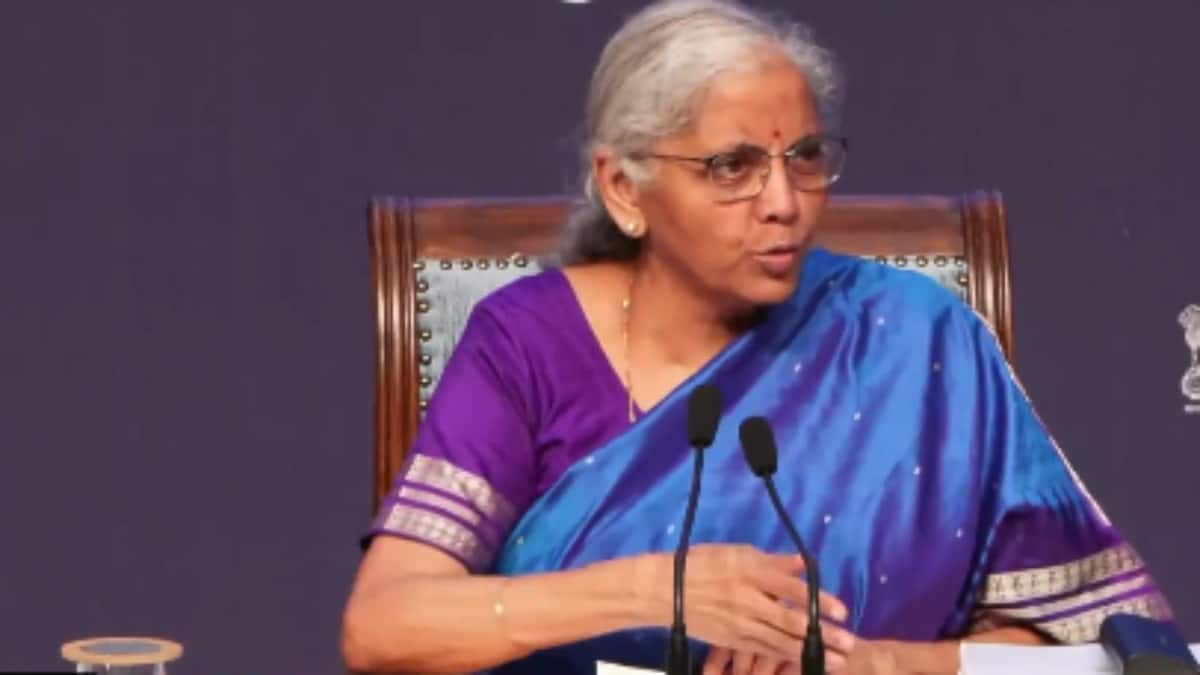
As per convention, the Union Budget for 2026-27 will be presented in Parliament by the finance minister.
The budget assumes special significance as it will be the first to align with the recommendations of the 16th Finance Commission, which will determine fiscal transfers between the Centre and states for the next five years.
ICRA estimates that the Centre’s fiscal deficit will be capped at around 4.3 per cent of GDP in 2026-27, marginally lower than the 4.4 per cent budgeted for 2025-26. This projection is supported by an expected 9.8 per cent growth in nominal GDP.
On the revenue front, ICRA anticipates overall tax revenue growth of around 7 per cent in 2026-27, led by a robust 11 per cent expansion in direct tax collections. However, indirect tax growth is likely to remain muted at about 2 per cent, reflecting the impact of earlier GST rate reductions implemented since September 2025.
After accounting for central tax devolution to states—estimated at Rs 15.4 trillion—the Centre’s net tax revenues are projected to grow by 5.2 per cent to Rs 28.5 trillion in 2026-27.
Non-tax revenues are expected to rise by about 5 per cent, although the unusually high Rs 2.7 trillion dividend transfer from the RBI in 2025-26 is unlikely to be repeated at the same scale in the coming year.
On the spending side, revenue expenditure is likely to remain contained, growing at around 4 per cent, aided by slower increases in interest payments and subsidies. Consequently, the revenue deficit is projected to narrow to Rs 4.7 trillion, or 1.2 per cent of GDP—the lowest ratio in nearly two decades.
However, higher capital spending commitments and a sharp rise in debt redemptions are expected to push up borrowing needs. ICRA estimates that gross market borrowings could rise by 15–16 per cent to Rs 16.9 trillion in 2026-27.
As per convention, the Union Budget for 2026-27 will be presented in Parliament by the finance minister.