






What is the story about?
As the tensions in West Asia continue to escalate, an explosive report revealed that American military advisers intentionally excluded US President Donald Trump from the command room during the high-stakes search for a US airman downed in Iran. The revelation was made in a report by The Wall Street Journal, which cited a senior administration official.
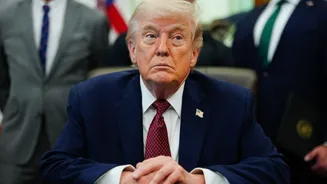
As per the report, Trump was excluded during the planning stage because military officials feared that his erratic temper would jeopardise the mission. After the American fighter jet was downed by Iranian forces earlier this month, Trump reportedly spent hours screaming at aides in a nearly empty West Wing.
He kept recalling the spectre of the 1979 Iranian hostage crisis. “If you look at what happened with Jimmy Carter... it cost them the election,” Trump privately fretted, according to a source familiar with the matter, who told The Wall Street Journal.
According to the WSJ, the authorities wanted to mitigate the risk of impulsive interference. Hence, the aides opted to provide the commander in chief with updates only at “meaningful moments,” rather than the minute-by-minute tactical feeds being monitored by the National Security Council.
It is pertinent to note that the extraction of the downed airman took place over a tense 24-hour period during the Easter weekend. However, it was plagued by the same “blood and sand” complications that have historically bedevilled US efforts in the region.
According to WSJ, the whole planning and conduct of the operation was monitored by US Vice President JD Vance and Chief of Staff Susie Wiles, as they oversaw and monitored the progress from remote locations.
Technical difficulties nearly derailed the mission when rescue aircraft became momentarily stuck in the Iranian desert sand. At the same time, US forces engaged in elaborate manoeuvres to distract Iranian military units while the downed airman moved towards the extraction point. The second airman was successfully recovered late Saturday night.
According to The Wall Street Journal, the relief in the West Wing was short-lived. While by 2:00 am (local time) the president had retired, only to wake six hours later and go on a social media rant. They delivered a profanity-laced ultimatum on social media, threatening to leave Iran “living in Hell” unless the Strait of Hormuz was reopened.
Despite his bellicose public rhetoric and threats to “destroy Iranian civilisation,” the report revealed that Trump remained the primary obstacle to a full-scale ground invasion. Military planners have reportedly presented options for the seizure of Kharg Island, the strategic hub for 90 per cent of Iran’s oil exports.
However, Trump allegedly resisted the plan. He cited a deep-seated fear of high American casualties and told his team that US soldiers would be “sitting ducks” on the island. The private proclamation was a stark contrast to the threats Trump frequently delivers online.
As per the report, Trump was excluded during the planning stage because military officials feared that his erratic temper would jeopardise the mission. After the American fighter jet was downed by Iranian forces earlier this month, Trump reportedly spent hours screaming at aides in a nearly empty West Wing.
He kept recalling the spectre of the 1979 Iranian hostage crisis. “If you look at what happened with Jimmy Carter... it cost them the election,” Trump privately fretted, according to a source familiar with the matter, who told The Wall Street Journal.
Why was Trump kept out
According to the WSJ, the authorities wanted to mitigate the risk of impulsive interference. Hence, the aides opted to provide the commander in chief with updates only at “meaningful moments,” rather than the minute-by-minute tactical feeds being monitored by the National Security Council.
It is pertinent to note that the extraction of the downed airman took place over a tense 24-hour period during the Easter weekend. However, it was plagued by the same “blood and sand” complications that have historically bedevilled US efforts in the region.
According to WSJ, the whole planning and conduct of the operation was monitored by US Vice President JD Vance and Chief of Staff Susie Wiles, as they oversaw and monitored the progress from remote locations.
Technical difficulties nearly derailed the mission when rescue aircraft became momentarily stuck in the Iranian desert sand. At the same time, US forces engaged in elaborate manoeuvres to distract Iranian military units while the downed airman moved towards the extraction point. The second airman was successfully recovered late Saturday night.
What was happening in the West Wing
According to The Wall Street Journal, the relief in the West Wing was short-lived. While by 2:00 am (local time) the president had retired, only to wake six hours later and go on a social media rant. They delivered a profanity-laced ultimatum on social media, threatening to leave Iran “living in Hell” unless the Strait of Hormuz was reopened.
Despite his bellicose public rhetoric and threats to “destroy Iranian civilisation,” the report revealed that Trump remained the primary obstacle to a full-scale ground invasion. Military planners have reportedly presented options for the seizure of Kharg Island, the strategic hub for 90 per cent of Iran’s oil exports.
However, Trump allegedly resisted the plan. He cited a deep-seated fear of high American casualties and told his team that US soldiers would be “sitting ducks” on the island. The private proclamation was a stark contrast to the threats Trump frequently delivers online.