

What is the story about?
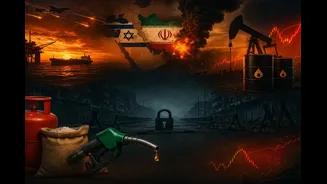
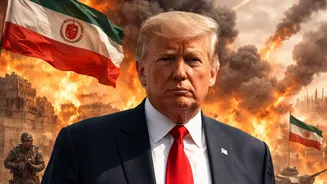
The war in West Asia has lasted for almost four weeks. It’s been almost a month of intense bombing with the United States and Israel launching joint strikes at Iran, prompting Tehran to retaliate across West Asia with a barrage of missiles and drones.
The fighting has evoked memories from six years ago when coronavirus struck the world, sending countries into a tizzy, triggering lockdowns, causing energy market shocks, and a bringing on a complete sense of dread and destruction.
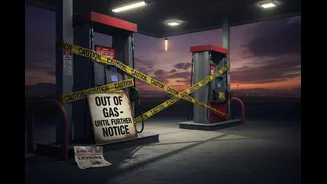
Now, the Iran war pours oil on burning crude prices and energy supply shortages. Several economies — particularly Asian countries — find themselves on a live slow-fire grill, literally.
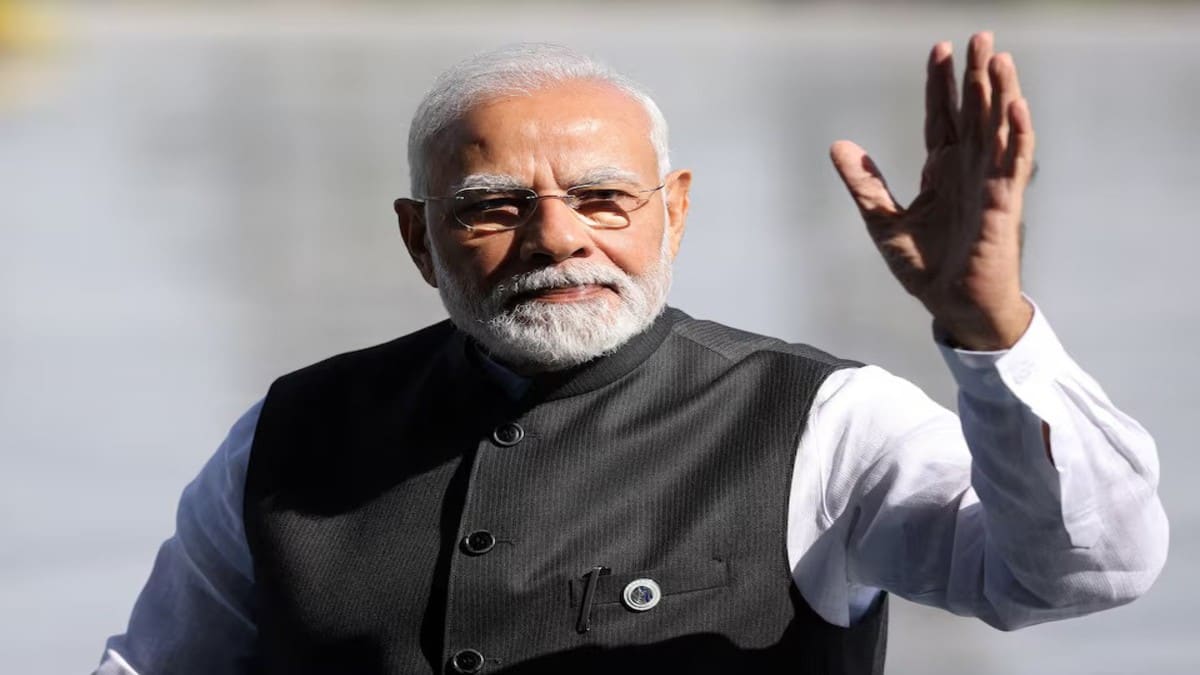
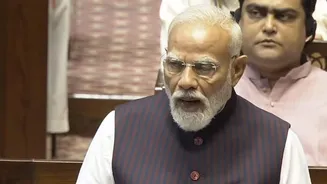
Prime Minister Narendra Modi too warned that the conflict in West Asia was posing unprecedented challenges for India with deeply adverse consequences for the global economy. He stressed that the war has created unprecedented economic, national security, and humanitarian pressures.
But why are there comparisons being made between the current Iran war crisis and the Covid healthcare emergency? Are these comparisons correct?
During the Covid-19 pandemic, many countries adopted restrictions and curbs to ensure that the virus didn’t spread among the public. For instance, there was the work-from-home mandate for the majority of the workforce across the globe. Schools and colleges went online and in many countries, government officials were forced to accept salary cuts.
Now, amid the Iran war, similar
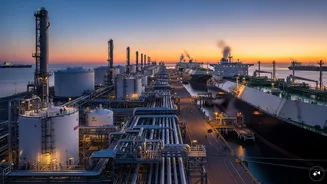
measures are being adopted, particularly among Asian countries. That’s because the region buys more than 80 per cent of the crude that transits the Strait of Hormuz — a vital artery that has been largely blocked since the conflict began on February 28.
Many countries across Asia have asked companies to go back to the hybrid mode of work, allowing people to work from home. The Philippines has shortened its work week in select government offices and declared a national energy emergency, warning of supply risks.
Thailand has ordered officials to cut travel, raise AC temperatures above 25°C, avoid formal wear, and work remotely where possible, while
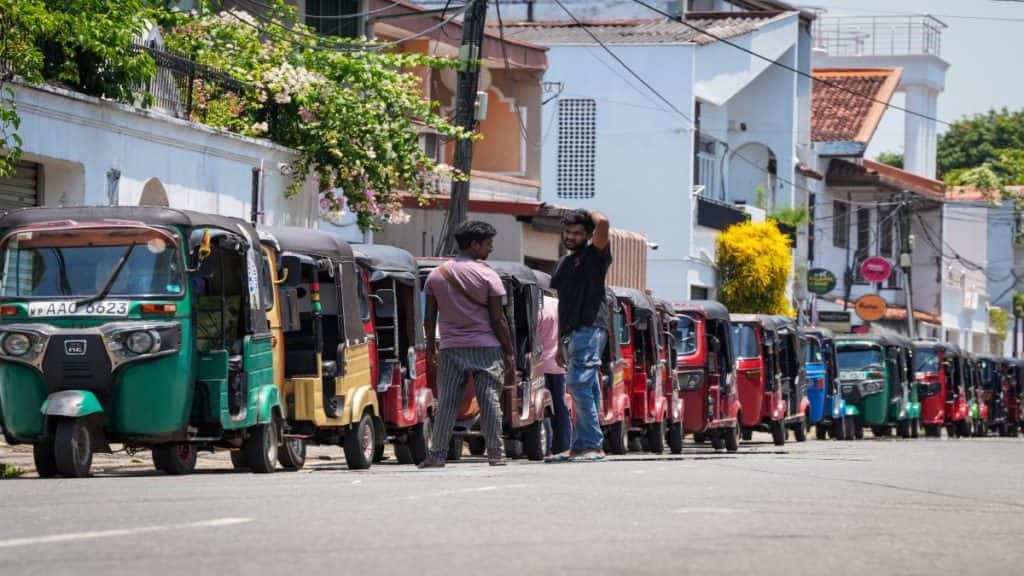
Sri Lanka has declared a weekly public holiday every Wednesday to reduce fuel consumption.
While India hasn’t adopted any fuel-saving measures yet, its neighbour, Pakistan, has ordered for schools to be closed for two weeks, and has expanded work-from-home for office workers. Additionally, it also cancelled its Republic Day celebrations, only mandating a flag-hoisting ceremony.
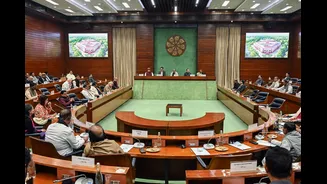
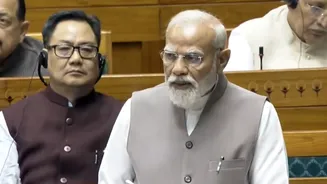
While no country has called for an official lockdown amid the Iran war, fears of a lockdown have gripped India. These fears were amplified when Prime Minister Narendra Modi addressed Parliament earlier this week. In his speech, he recalled how global supply chains were disrupted during the Covid-19 period, drawing parallels with the ongoing disruptions caused by the current US-Iran conflict.
“In the past too, our government did not allow the burden of global crises to fall on the farmers,” said Modi in the context of tensions in West Asia.
He also urged citizens to remain “prepared and united, just as it had stood together during the Covid-19 pandemic,” while warning that global disruptions caused by the war could have long-term economic consequences.
Many people have mistaken his statement of an impending lockdown across the country. Searches on lockdown and lockdown news began to skyrocket across the country. This, in turn, has affected migrant movement within the country. Many from smaller towns and villages, who work in the cities of India, are moving back home, fearing the worst.
But the government of India has categorically stated that there’s no impending lockdown. The Narendra Modi administration has also assured citizens that Liquefied Petroleum Gas (LPG) and fuel supplies remain stable despite escalating tensions in West Asia, emphasising that there is no shortage of cooking gas or fuel across the country. Officials from the Ministry of Petroleum and Natural Gas said the situation is being closely monitored, while urging the public to avoid panic buying.
Joint Secretary Sujata Sharma stated that while LPG supply remains an area of concern due to geopolitical developments, distribution is currently normal, and there is no shortage of supply vessels. She noted that panic-driven LPG bookings have significantly declined in recent days, helping stabilise the system.
On Thursday (March 26), the Ministry of Petroleum and Natural Gas has confirmed that India’s fuel and LPG supplies are fully secure. All retail outlets have sufficient stock. Panic buying and misinformation are being spread via social media, but domestic production and imports fully secure supply.
The Modi government has also been engaging with Iranian officials to ensure the safe passage of ships, ensuring stability in the supply of fuel and other energy sources.
When Covid hit the world, it spooked markets across the globe, with fears of a global recession. The Sensex plunged in sync with the fall in other global indices in the US, Europe, Asia, and other emerging economies. On February 27, 2020, US markets saw their sharpest decline since 2008, with the Dow falling over 1,100 points.
The Covid pandemic also caused an unprecedented contraction in economic activity and a collapse in demand for oil and oil products. This led to the biggest price shock the energy market experienced since the first oil shock of 1973. Oil prices dipped below $20 (Brent Crude) a barrel, losing nearly 70 per cent in value.
Now, amid the Iran war, markets have once again tumbled. Oil prices have soared. Today (March 26), the cost of Brent crude has gone past $105 a barrel. According to Muyu Xu, a senior crude oil analyst at Kpler, liquified natural gas (LNG) prices have risen even more sharply – by almost 60 per cent – since the start of the war.
Prices of refined products from petrol and gas oil to jet kerosene and fuel oil have also seen significant increases.
Moreover, according to a report on Sunday from Bloomberg News, global stocks have fallen 5.5 per cent since the war began with Asian stock markets being the worst hit.
The International Monetary Fund’s managing director, Kristalina Georgieva, has also warned that if the war is prolonged, it poses an inflationary risk on the global economy.
With the onset of Covid-19, travel came to a near-total halt. The virus resulted in unprecedented travel restrictions, border closures, and a significant decrease in consumer confidence, devastating the tourism industry. In the first year of the virus, airlines across the world lost $372 billion, which was $324 billion in the second year of Covid. Moreover, reports showed that the pandemic caused the largest decline in global tourism since the 1950s.
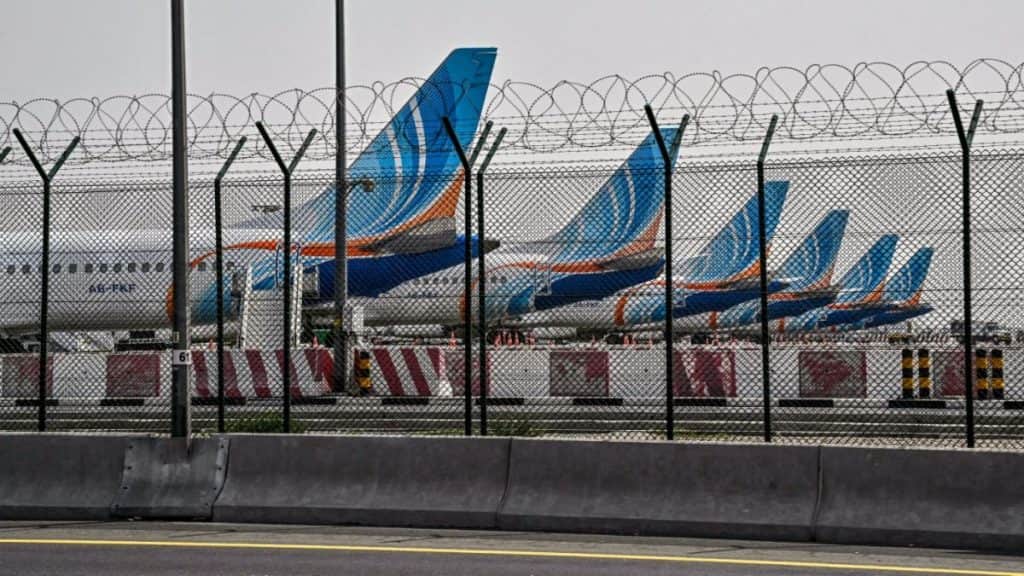
Now, the ongoing war in Iran is creating challenges for several airlines as well as the tourism industry. Dubai, Abu Dhabi, and Doha, which have been targeted amid the war, are also major stopover airports for passengers travelling to Southeast Asia, India, or Australia from the United States and Europe. As large portions of the Persian Gulf’s airspace continue to close on and off, millions of passengers face a grim calculus: more hours in the sky, fewer options, and sharply higher fares.
Tourism outside of the Gulf countries has also been affected by the war. Many countries have adopted fuel-conservation measures.
It’s interesting that when the world was battling coronavirus it was compared to fighting a war. Now, we are in the midst of an actual war with no one knowing when it shall end.
With inputs from agencies
The fighting has evoked memories from six years ago when coronavirus struck the world, sending countries into a tizzy, triggering lockdowns, causing energy market shocks, and a bringing on a complete sense of dread and destruction.
Now, the Iran war pours oil on burning crude prices and energy supply shortages. Several economies — particularly Asian countries — find themselves on a live slow-fire grill, literally.
- Catch live updates from the Israel-Iran war
Prime Minister Narendra Modi too warned that the conflict in West Asia was posing unprecedented challenges for India with deeply adverse consequences for the global economy. He stressed that the war has created unprecedented economic, national security, and humanitarian pressures.
But why are there comparisons being made between the current Iran war crisis and the Covid healthcare emergency? Are these comparisons correct?
Fuel-saving measures resemble Covid-style curbs
During the Covid-19 pandemic, many countries adopted restrictions and curbs to ensure that the virus didn’t spread among the public. For instance, there was the work-from-home mandate for the majority of the workforce across the globe. Schools and colleges went online and in many countries, government officials were forced to accept salary cuts.
Now, amid the Iran war, similar
People stand next to their autorickshaws while waiting in a queue to refuel their vehicles at a fuel station, due to concerns over fuel supply amid the US-Israel conflict with Iran, in Colombo, Sri Lanka. Reuters
Many countries across Asia have asked companies to go back to the hybrid mode of work, allowing people to work from home. The Philippines has shortened its work week in select government offices and declared a national energy emergency, warning of supply risks.
Thailand has ordered officials to cut travel, raise AC temperatures above 25°C, avoid formal wear, and work remotely where possible, while
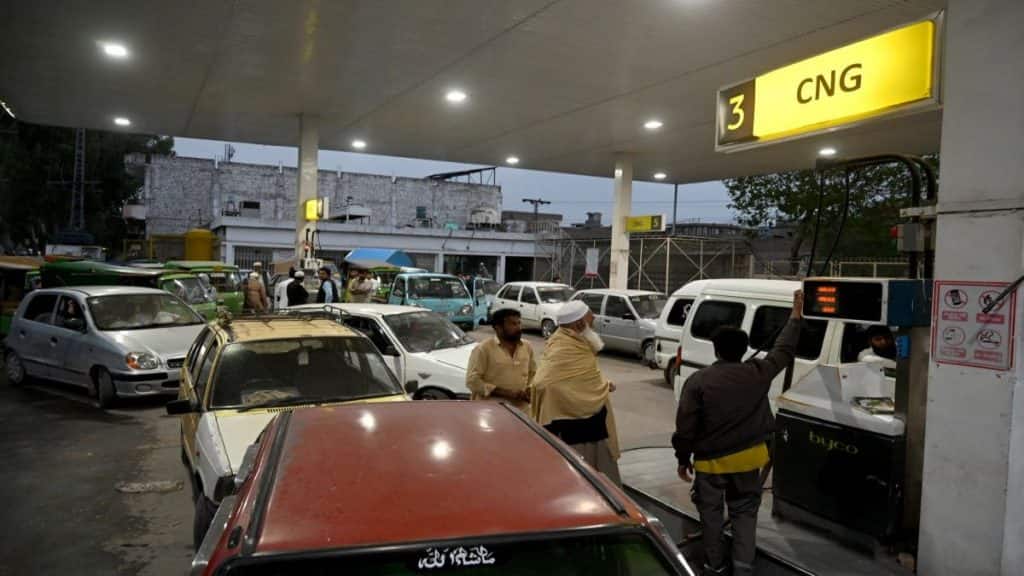
While India hasn’t adopted any fuel-saving measures yet, its neighbour, Pakistan, has ordered for schools to be closed for two weeks, and has expanded work-from-home for office workers. Additionally, it also cancelled its Republic Day celebrations, only mandating a flag-hoisting ceremony.
Commuters queue up at a compressed natural gas (CNG) station in Peshawar as oil prices soar due to the US-Israeli war on Iran. AFP
Lockdown fears
While no country has called for an official lockdown amid the Iran war, fears of a lockdown have gripped India. These fears were amplified when Prime Minister Narendra Modi addressed Parliament earlier this week. In his speech, he recalled how global supply chains were disrupted during the Covid-19 period, drawing parallels with the ongoing disruptions caused by the current US-Iran conflict.
“In the past too, our government did not allow the burden of global crises to fall on the farmers,” said Modi in the context of tensions in West Asia.
🚨 HUGE! PM Modi in Rajya Sabha drops stark WARNING
- "The war is changing EVERY SECOND, we must prepare for consequences that could LAST A LONG TIME!"🤯
Urging the nation to stay alert & strong amid global chaos 🎯.#Israël #IranWar #IranRevolution2026 #Israel #Ukraine… pic.twitter.com/9mXlwCjwY4
— TacticalGrid (@tactical_grid) March 24, 2026
He also urged citizens to remain “prepared and united, just as it had stood together during the Covid-19 pandemic,” while warning that global disruptions caused by the war could have long-term economic consequences.
Many people have mistaken his statement of an impending lockdown across the country. Searches on lockdown and lockdown news began to skyrocket across the country. This, in turn, has affected migrant movement within the country. Many from smaller towns and villages, who work in the cities of India, are moving back home, fearing the worst.
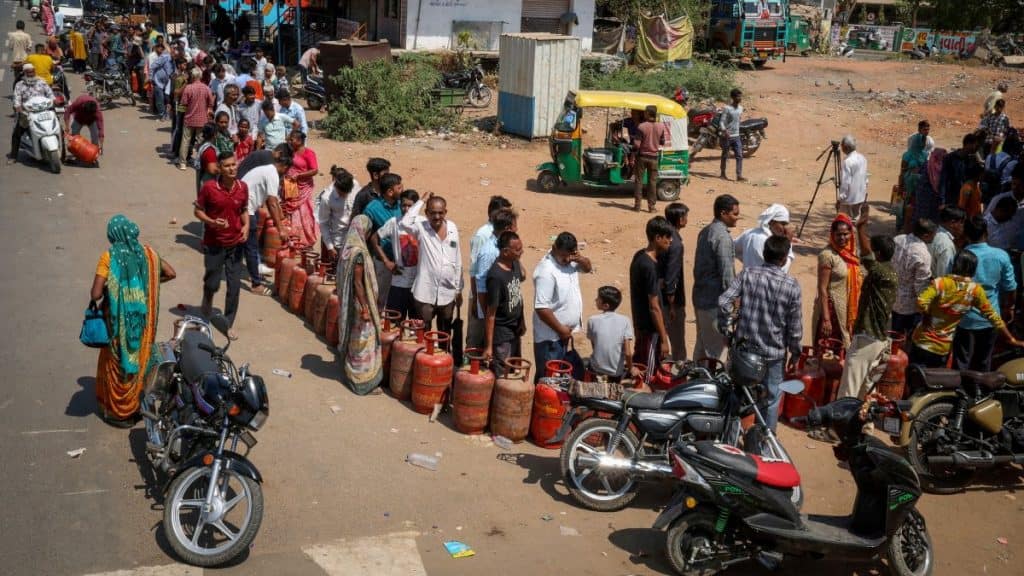
People stand in a queue with their empty LPG cylinders outside a gas agency amid supply disruptions following the US-Israeli conflict with Iran, in Ahmedabad, India. Reuters
But the government of India has categorically stated that there’s no impending lockdown. The Narendra Modi administration has also assured citizens that Liquefied Petroleum Gas (LPG) and fuel supplies remain stable despite escalating tensions in West Asia, emphasising that there is no shortage of cooking gas or fuel across the country. Officials from the Ministry of Petroleum and Natural Gas said the situation is being closely monitored, while urging the public to avoid panic buying.
Joint Secretary Sujata Sharma stated that while LPG supply remains an area of concern due to geopolitical developments, distribution is currently normal, and there is no shortage of supply vessels. She noted that panic-driven LPG bookings have significantly declined in recent days, helping stabilise the system.
On Thursday (March 26), the Ministry of Petroleum and Natural Gas has confirmed that India’s fuel and LPG supplies are fully secure. All retail outlets have sufficient stock. Panic buying and misinformation are being spread via social media, but domestic production and imports fully secure supply.
The Modi government has also been engaging with Iranian officials to ensure the safe passage of ships, ensuring stability in the supply of fuel and other energy sources.
Volatility in the markets
When Covid hit the world, it spooked markets across the globe, with fears of a global recession. The Sensex plunged in sync with the fall in other global indices in the US, Europe, Asia, and other emerging economies. On February 27, 2020, US markets saw their sharpest decline since 2008, with the Dow falling over 1,100 points.
The Covid pandemic also caused an unprecedented contraction in economic activity and a collapse in demand for oil and oil products. This led to the biggest price shock the energy market experienced since the first oil shock of 1973. Oil prices dipped below $20 (Brent Crude) a barrel, losing nearly 70 per cent in value.
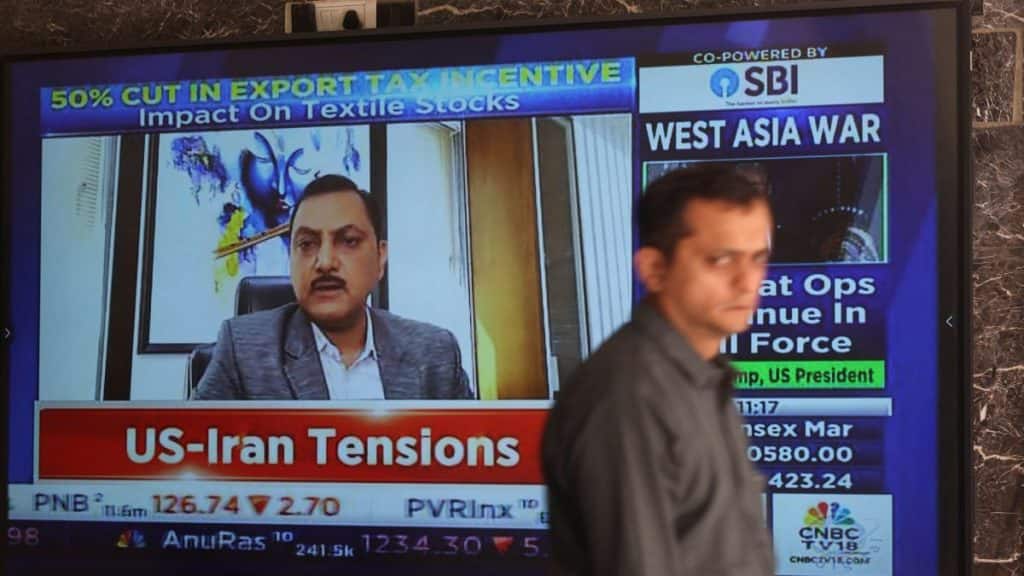
A man walks past a screen displaying the news and stock market updates at the Bombay Stock Exchange (BSE) in Mumbai, India amid the Iran war. Reuters
Now, amid the Iran war, markets have once again tumbled. Oil prices have soared. Today (March 26), the cost of Brent crude has gone past $105 a barrel. According to Muyu Xu, a senior crude oil analyst at Kpler, liquified natural gas (LNG) prices have risen even more sharply – by almost 60 per cent – since the start of the war.
Prices of refined products from petrol and gas oil to jet kerosene and fuel oil have also seen significant increases.
Moreover, according to a report on Sunday from Bloomberg News, global stocks have fallen 5.5 per cent since the war began with Asian stock markets being the worst hit.
The International Monetary Fund’s managing director, Kristalina Georgieva, has also warned that if the war is prolonged, it poses an inflationary risk on the global economy.
Travel restrictions
With the onset of Covid-19, travel came to a near-total halt. The virus resulted in unprecedented travel restrictions, border closures, and a significant decrease in consumer confidence, devastating the tourism industry. In the first year of the virus, airlines across the world lost $372 billion, which was $324 billion in the second year of Covid. Moreover, reports showed that the pandemic caused the largest decline in global tourism since the 1950s.
FlyDubai planes are parked on the tarmac at Dubai International Airport. The ongoing war in Iran is creating challenges for several airlines as well as the tourism industry. File image/Reuters
Now, the ongoing war in Iran is creating challenges for several airlines as well as the tourism industry. Dubai, Abu Dhabi, and Doha, which have been targeted amid the war, are also major stopover airports for passengers travelling to Southeast Asia, India, or Australia from the United States and Europe. As large portions of the Persian Gulf’s airspace continue to close on and off, millions of passengers face a grim calculus: more hours in the sky, fewer options, and sharply higher fares.
Tourism outside of the Gulf countries has also been affected by the war. Many countries have adopted fuel-conservation measures.
It’s interesting that when the world was battling coronavirus it was compared to fighting a war. Now, we are in the midst of an actual war with no one knowing when it shall end.
With inputs from agencies