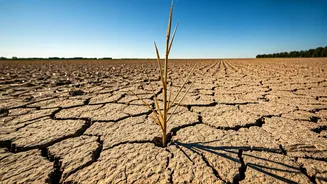

Farm Sector's Plight
The agricultural sector in India is continually facing challenges, with Budget 2026 set to be a critical moment. Many earlier promises from past budgets,
meant to aid farmers, are still not fully implemented. This includes financial support schemes, infrastructure projects like irrigation and storage facilities, and reforms aimed at improving market access for agricultural products. The delayed implementation of these measures has hindered the sector's development, leaving farmers struggling with unpredictable income, lack of access to crucial resources, and difficulties in navigating market complexities. The need for the upcoming budget to address these long-standing issues with concrete steps is paramount for the progress of the country’s agricultural landscape and the well-being of its farmers. The government must make sure to move beyond mere pronouncements to deliver real results on the ground.
Financial Support Schemes
Financial support schemes, designed to provide farmers with direct financial assistance or subsidized loans, were introduced in past budgets. However, reports indicated significant delays in disbursement and inadequate coverage of the intended beneficiaries. For instance, the PM-KISAN scheme, which aimed to provide income support, faced operational hurdles leading to exclusions and delays. Similarly, subsidized loan schemes struggled with bureaucratic red tape and stringent eligibility criteria, making it hard for small and marginal farmers to get the financial help they needed. A critical review of these financial support initiatives is essential. The government needs to streamline the processes, broaden eligibility criteria to cover a wider group of farmers, and make sure that the fund distribution is prompt. Such improvements are vital to ensure that financial aid reaches those who need it most, thereby promoting agricultural productivity and improving the economic conditions of farmers.
Infrastructure Deficiencies Uncovered
Infrastructure improvements, such as the construction of irrigation facilities, storage areas, and better transportation networks, were crucial in past budgets. However, there were significant deficiencies in the implementation of these projects. Many irrigation projects saw delays, which caused farmers to face water scarcity and reduced crop yields. Storage facilities, which would have helped reduce post-harvest losses, remained under-developed or poorly managed, leading to a waste of valuable produce. The lack of proper road and transportation networks also made it hard for farmers to bring their products to market, resulting in lower prices. To deal with these problems, Budget 2026 needs to emphasize the efficient execution of infrastructure projects. It must ensure that funds are used in a timely and effective manner. Regular monitoring, transparent procurement processes, and partnerships with private-sector players can speed up project completion and create a more robust agricultural infrastructure.
Market Access Challenges
Past budgets also focused on improving market access for farmers, with an aim to create more competitive markets and reduce the influence of intermediaries. However, farmers continued to face difficulties. Many faced challenges in getting fair prices for their produce because of inadequate market infrastructure, information gaps, and lack of negotiating power. The implementation of e-NAM (National Agriculture Market), aimed at connecting farmers to markets online, experienced technical issues and low participation rates. These obstacles prevented farmers from fully benefiting from the improved market access initiatives. To enhance market access, Budget 2026 should focus on strengthening market infrastructure. This should involve upgrades to existing markets, investments in digital platforms that provide real-time price information, and measures to empower farmer producer organizations. Streamlining regulations, ensuring transparency in market operations, and facilitating direct links between farmers and consumers would enable farmers to get better returns for their produce and become more resilient to market volatility.
Policy and Reform Imperatives
Besides financial support, infrastructure, and market access, agricultural reforms were essential for the sector's long-term sustainability. However, past budgets often lacked effective policy measures. Land reforms, aimed at improving land ownership and consolidation, faced implementation challenges. The promotion of sustainable farming practices, such as organic farming and water conservation techniques, received insufficient attention. Moreover, the lack of coordination among different government departments and agencies hampered the effective implementation of agricultural policies. Budget 2026 presents an opportunity to address these shortcomings. It needs to include clear policy directives for land reforms, promote sustainable farming practices, and encourage the adoption of climate-smart agricultural techniques. Strengthening coordination among various government departments and promoting public-private partnerships will improve the implementation of agricultural policies. Such proactive measures will create a more favorable environment for innovation, sustainability, and the long-term prosperity of Indian agriculture.
Budget 2026 Expectations
As Budget 2026 is being prepared, anticipation is high, as it presents a crucial opportunity to rectify past mistakes and set a new direction for the agricultural sector. Farmers and stakeholders expect concrete steps to finish the unfinished business of the past. They anticipate a budget that not only announces but also ensures practical execution and measurable results. The budget must prioritize immediate relief measures for farmers, address long-standing issues, and promote long-term sustainability. The key expectations include increased financial support, improved infrastructure, enhanced market access, and comprehensive policy reforms. Transparency in fund allocation, streamlining of processes, and active monitoring are seen as crucial to the success of Budget 2026. By addressing these concerns, the government can help improve farmers' lives and improve the overall outlook of Indian agriculture.