






Rapid Paneer Production Under Scrutiny
In a peculiar turn of events, the Mumbai Police have initiated an investigation into an individual who purports to be a "paneer scientist," capable of producing
the popular Indian cheese from milk in a mere 15 minutes. This unusual claim has attracted the attention of law enforcement following a complaint lodged by a local resident. The complainant alleged not only the extraordinary speed of paneer production but also suspicion of the individual hoarding significant quantities of food, potentially for illicit activities. While the specifics of the police inquiry remain under wraps, sources suggest an examination of the man's claims and operations to verify any wrongdoing, including food hoarding or other illegal practices. The individual, whose identity has been kept confidential, reportedly showcased his distinctive paneer-making method, touting it as a groundbreaking advancement. However, the sheer efficiency and rapid nature of his process have prompted scrutiny and a formal police inquiry, leaving many local residents intrigued and concerned about the veracity of his claims and the potential ramifications of his methods.
Understanding Real vs. Analogue Paneer
The concept of 'analogue paneer' has recently resurfaced, drawing the attention of regulatory bodies like the Food Safety and Standards Authority of India (FSSAI). Authorities in Maharashtra have mandated that establishments such as restaurants, caterers, and fast-food vendors must clearly disclose the use of cheese or paneer analogue on their bills, menus, and display boards by April 30. Licensed manufacturers and suppliers are also required to ensure their packaging and labeling do not mislead consumers, accurately indicating the product's true nature. This is not the first instance of 'analogue paneer' being a subject of discussion; it has been a recurring topic on social media and a focus for FSSAI surveillance.
Defining Genuine Paneer
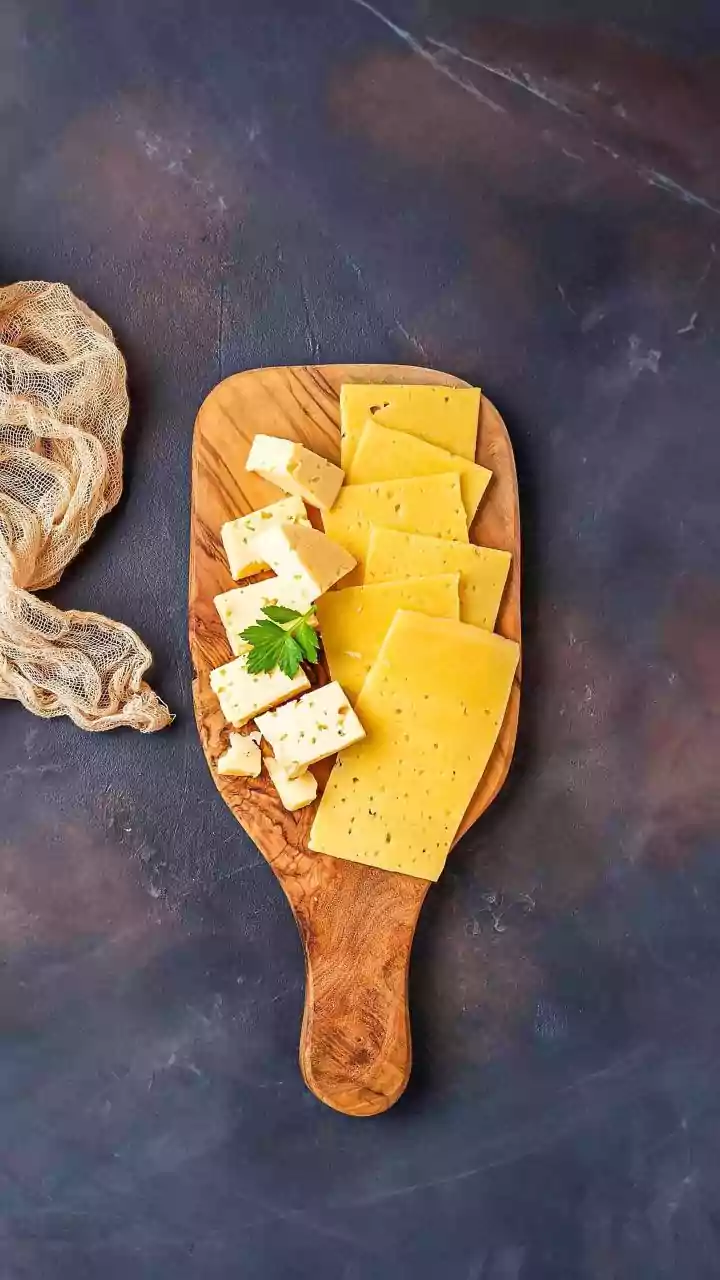
Dr. Surendra Nath Battula, a retired principal scientist from the National Dairy Research Institute, clarifies that paneer has a specific definition within FSSAI regulations. It is produced by coagulating milk (with or without added milk solids) using permitted acidulants like citric acid, lactic acid, or glucono delta-lactone, followed by pressing into blocks. The FSSAI regulations precisely list the approved acidulants. Products that mimic paneer but deviate from this standard are categorized as 'Dairy Analogs.' According to Dr. Battula, these analogues are products where milk-derived constituents are partially or entirely replaced by non-milk components, yet they resemble genuine dairy products in terms of taste and function, making them indistinguishable to the average consumer.
The Making of Analogue Paneer
Analogue paneer is essentially a look-alike product designed to mimic the appearance and texture of traditional paneer without being exclusively made from milk. Dr. Battula explains that these analogues are typically manufactured by combining vegetable oils, such as palm oil, and vegetable fats like palm stearin, with starches, skimmed milk powder (SMP), and plant-based proteins like soy or pea protein. Stabilizers, emulsifiers, and artificial flavors are also incorporated, with the blend then curdled using standard acidulants. This process yields a more economical substitute that imitates real paneer but possesses a distinct nutritional composition. Crucially, analogue paneer does not conform to the FSSAI definition of paneer because it lacks milk fat and milk protein, leading to a significantly lower production cost compared to genuine paneer, which can range from Rs 400 to Rs 500 per kilogram, whereas analogue versions are reportedly available in the unorganized market for around Rs 150 per kilogram, often misleadingly marketed as paneer.
Legal Distinction and Consumer Protection
FSSAI regulations strictly prohibit the use of the term 'paneer' for products that do not meet the defined standards, similar to how plant-based beverages cannot be called 'milk.' Dr. Battula draws parallels with other food categories, such as 'frozen desserts' being used for products that don't meet the minimum milk fat and protein requirements for 'ice cream.' This framework is now being applied to paneer. The issue of analogue paneer is particularly concerning because it is predominantly produced in the unorganized sector, often sold loose and unbranded. Consumers purchasing these products at unusually low prices are unaware that they are not receiving genuine paneer, raising concerns about compromised quality and safety due to the unclear nature of ingredients used. The majority of analogue paneer consumption occurs in the hotel, restaurant, and catering (HoReCa) sector, where consumers have limited visibility into the ingredients used in their meals.
Regulatory Measures and Consumer Guidance
Several measures are in place or under consideration to address the issue of analogue paneer. Firstly, the FSSAI regulation clearly states that the term 'paneer' can only be applied to products meeting specific standards. Secondly, a 'milk logo'—a drop-of-milk symbol—is used on packaging from organized dairy brands, serving as a visual cue for consumers. Products not complying with dairy product regulations are prohibited from using this logo. Thirdly, if FSSAI authorities collect samples and find that a product does not meet paneer standards, action can be taken against the manufacturer. The Maharashtra FDA's directive for restaurants to declare the use of analogue paneer on menus and bills is seen as a positive step, particularly impacting the HoReCa sector. Experts suggest that a national policy with distinct nomenclature, labeling, and standards for dairy products and their analogues, possibly restricting the sale of paneer analogues to pre-packaged quantities, could further prevent misuse.
Health Implications of Analogue Paneer
Health concerns surrounding analogue paneer are significant. Genuine paneer has established compositional standards for fat and moisture, and it serves as a crucial protein source for India's vegetarian population. In contrast, analogue paneer, largely produced in the unorganized sector, lacks transparency regarding the types of oils and other ingredients used, as well as the quality and safety measures applied. This uncertainty itself poses a safety risk. The FSSAI's primary objective is to ensure consumers receive safe and wholesome food, and the authority is actively working to ensure consumers can unambiguously identify whether they are consuming paneer or its analogue. Consumers are advised to look for clear labeling such as 'Paneer,' 'Low Fat Paneer,' or 'Medium Fat Paneer.' For medium-fat paneer, the label must specify the milk fat percentage. Additionally, as per draft FSSAI regulations, all milk and milk products, including composite ones, will soon be required to carry the milk drop logo on their labels, providing another layer of consumer assurance.