






Widespread Closures
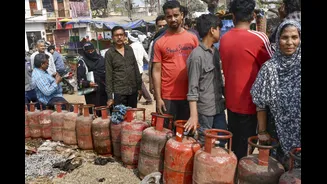
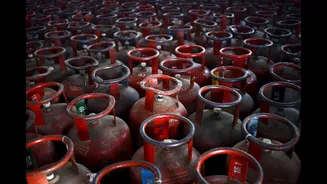
The intricate web of LPG supply has been severely tangled by ongoing geopolitical tensions in West Asia, creating a significant gas cylinder deficit across
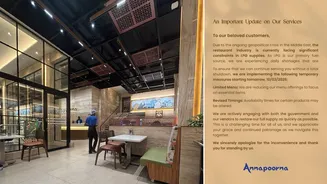
Pune. This shortage has immediately impacted the operations of numerous mess facilities, tiffin services, and budget-friendly eateries that are crucial for thousands of competitive exam aspirants residing away from their homes and managing on tight finances. Reports from Ganesh Shetty, president of the Pune Restaurant and Hoteliers’ Association (PRAHA), indicate that an estimated 15 to 20 mess operations in areas like Peth, Karve Nagar, and Wakad have ceased functioning. Saili Jahagirdar, heading the NRAI Pune chapter, added that approximately 200 food establishments have been critically affected since the suspension of cylinder supplies began on Monday. Many are now operating at half their usual capacity, drastically reducing their menu offerings, or completely shutting down their kitchens. Shetty further cautioned that if the current situation persists, the initial impact on smaller businesses could escalate, eventually leading to the gradual closure of all eateries.
Student Reliance on Messes
For many students, these mess facilities represent more than just a place to eat; they are a vital source of wholesome, home-style food at an affordable price. Sangita Laigude, who has managed Samarth Mess, a modest home-based establishment in Narayan Peth for a quarter-century, found the decision to close deeply distressing. She views her regular clientele, primarily competitive exam aspirants, as akin to family. They seek out her mess because it provides simple, healthy, and economical meals, a stark contrast to hotel dining. Despite a membership limit of 20 individuals, Laigude expressed her readiness to pay a premium for LPG, but her suppliers have informed her that no cylinders are currently available. Similarly, Mahesh Jadhav, proprietor of a breakfast centre in Navi Peth that serves around 800 individuals daily—including civil service aspirants, office workers, and daily laborers—anticipates having to halt operations by the weekend if supply issues aren't resolved. He is actively investigating industrial diesel-fired stoves as an emergency alternative.
Aspirants' Struggle
The current crisis is creating significant hardship for students preparing for competitive examinations. Gaurav Gavare, an MPSC aspirant from Shirdi residing in Narayan Peth, shared that his usual mess has been closed since Tuesday. The 'thali' meal, previously costing Rs 70, has seen a price hike to Rs 85 at the few remaining open establishments, and even then, the spread is often limited to a single vegetable curry. This financial strain has led Gavare and his friends to start skipping lunch altogether. Akshay Killeder, a UPSC aspirant from Kolhapur, highlighted that the disruption extends beyond mere food availability. He explained that students already meticulously manage their finances and daily schedules around intense study hours. When a fundamental need like a consistent meal becomes unpredictable, it directly impacts concentration, disrupts routines, and lowers morale. He poignantly noted that the demands of their exams do not pause simply because of an LPG shortage.
Adaptation Challenges
In an attempt to mitigate the impact of the LPG shortage, some eateries have explored alternative cooking methods. Saili Jahagirdar mentioned that a few establishments have experimented with induction cooktops, utilizing pre-made gravy bases for certain dishes. However, she pointed out that this approach is neither sustainable in the long run nor entirely satisfactory, as it compromises the authentic taste, texture, and overall quality of the food. Consequently, other establishments have resorted to reducing their operating hours, opting to serve only dinner service and suspending their afternoon meals. This highlights the difficult compromises food businesses are forced to make when faced with such critical supply chain issues, impacting both their operations and the customer experience.
Black Market Concerns
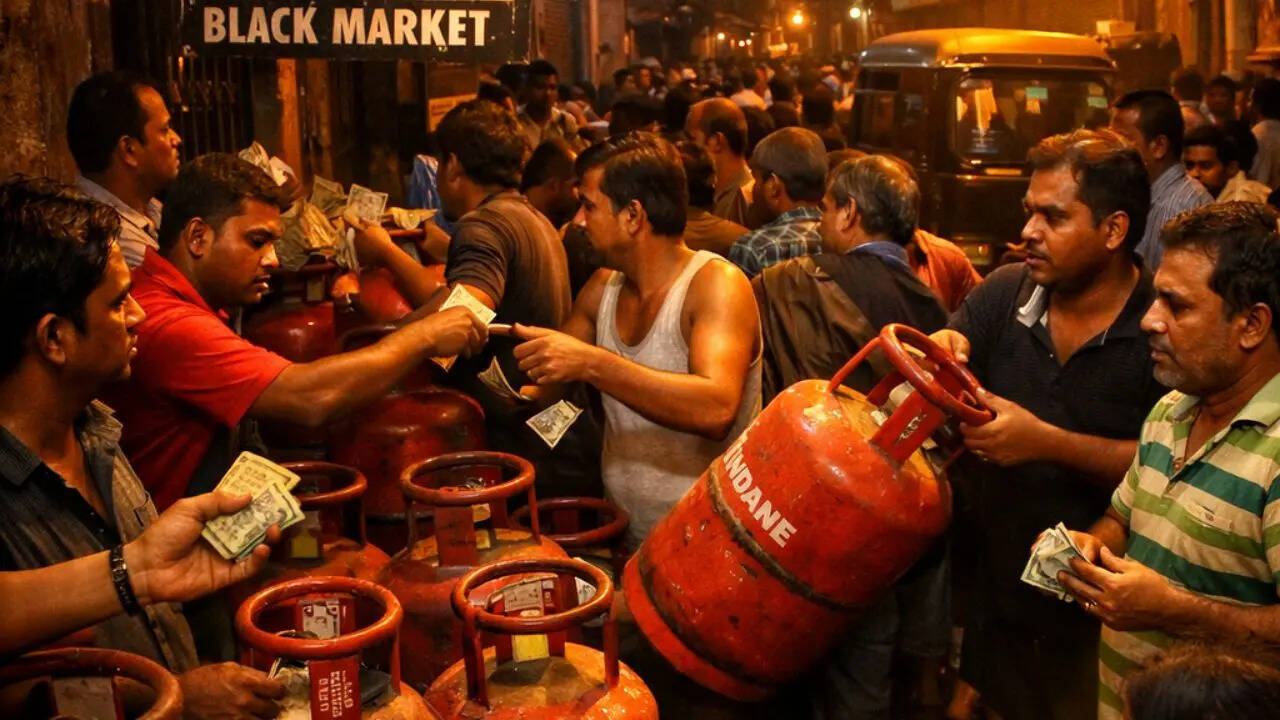
Adding to the crisis, concerns about the LPG black market have surfaced. Nitin Andhale, a student representative based in Navi Peth, alleged that LPG cylinders are being illegally sold at significantly inflated prices. He has called upon the government to take strict action against such black market activities. Andhale also urged authorities to prioritize LPG distribution to educational institutions and student canteens. Furthermore, he suggested the consideration of establishing dedicated 'Poli-Bhaji centres' specifically to support students facing food insecurity. Small-scale mess operators emphasize that their profit margins are already very narrow, making it impossible for them to absorb the exorbitant costs of black market cylinders. This precarious situation threatens further closures and could lead to the displacement of students who rely heavily on these affordable dining options, potentially exacerbating the problem before any relief is in sight.