







The Unexpected Discovery
In a remarkable case that underscores the importance of vigilance with small accessories, a gynaecologist, Dr. Priya S. P. Patil, shared a chest X-ray
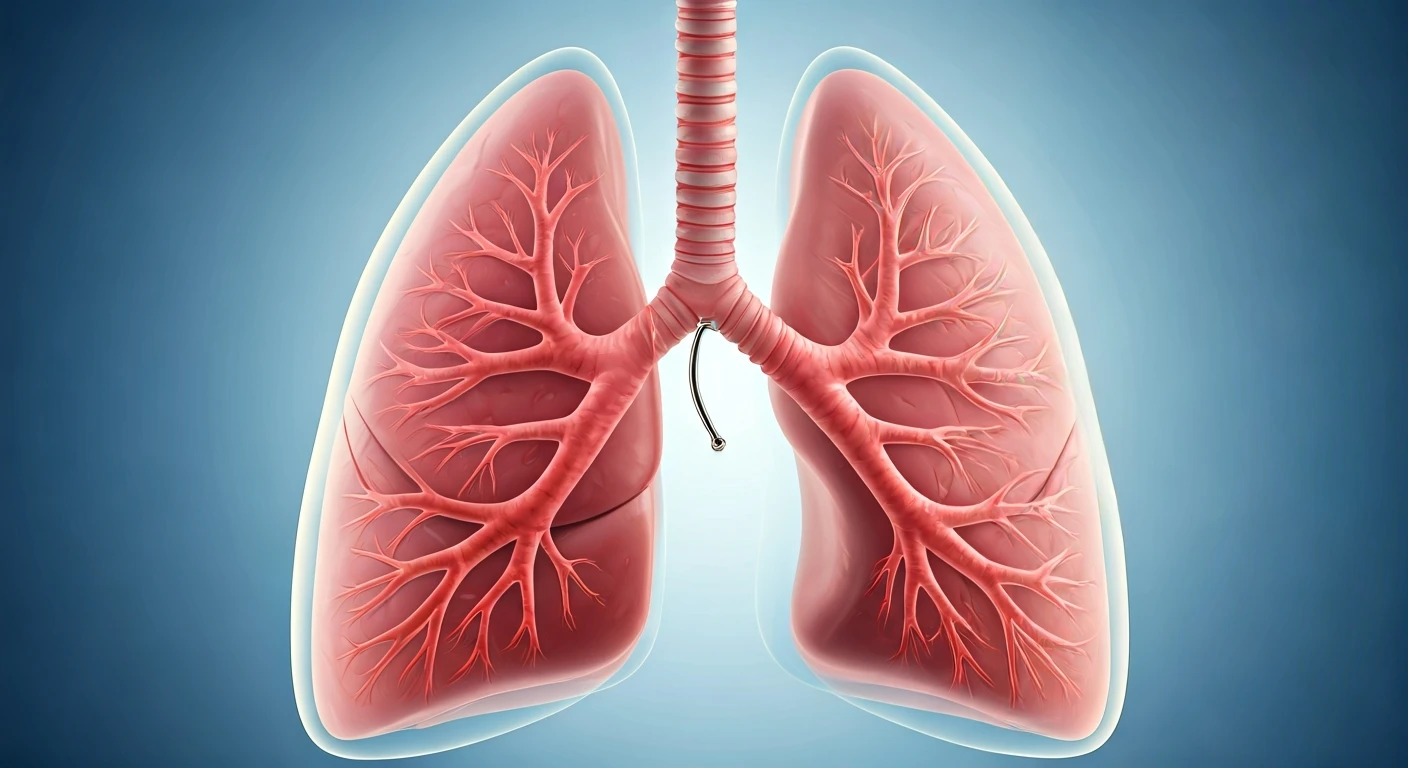
revealing a foreign object lodged within a patient's lung. The object in question was identified as the back of a nose pin, which had apparently become dislodged and was subsequently inhaled. The incident prompted Dr. Patil to issue a caution, particularly to women who wear nose pins, emphasizing that even seemingly minor jewellery components can pose significant, albeit sometimes silent, dangers. The patient, surprisingly, was asymptomatic at the time of discovery, yet the presence of such a foreign body within the respiratory system carries inherent risks, including potential infection, airway obstruction, or inflammation over time, as even small items can travel to unexpected locations and settle unnoticed.
How It Happens
The question of how a small item like a nose pin back can end up in the lung without immediate, obvious symptoms is a valid one. According to Dr. Manas Mengar, a consultant pulmonologist, such incidents can occur during everyday activities such as talking, coughing, laughing, or even while casually adjusting jewellery. If the inhaled object is sufficiently tiny, it may not cause an immediate blockage of the airway, thus preventing a dramatic or noticeable reaction. Individuals might experience a minor, fleeting discomfort in their throat or a brief coughing fit that quickly subsides, leading them to dismiss the event as inconsequential. This subtle ingress makes it easy for the incident to go unnoticed, allowing the foreign body to travel deeper into the respiratory tract without the person being fully aware of its presence.
Recognizing the Signs
The symptoms associated with a foreign object in the lung can be quite varied and are not always immediately apparent. Dr. Mengar explains that while some individuals might develop a persistent cough, experience chest discomfort, wheezing, or suffer from recurrent chest infections, others may feel perfectly normal for an extended period, even weeks or months. In certain rare instances, the presence of the foreign object is only brought to light incidentally, when imaging is performed for an unrelated medical reason, mirroring the situation in the case shared by Dr. Patil. The absence of pronounced symptoms can delay diagnosis, making regular check-ups and awareness of subtle bodily changes crucial for timely intervention and the prevention of potential complications.
The Risks of Retention
Leaving a foreign object within the lung, even if it doesn't cause immediate distress, poses significant long-term risks. Dr. Mengar highlights that over time, such objects can continuously irritate the delicate lining of the airways. This ongoing irritation can lead to a cascade of complications, including persistent infections, inflammation within the lung tissue, bleeding, and progressive difficulty in breathing. Metallic items, in particular, have the potential to cause localized tissue damage if they are not promptly removed. The body's immune response to the foreign presence can also contribute to the development of granulomas or other inflammatory reactions, further compromising lung function and overall health.
Removal Methods
Fortunately, the medical field has developed effective and minimally invasive techniques for the removal of foreign objects from the lungs. According to Dr. Mengar, the most common and preferred method is through bronchoscopic procedures. This involves passing a thin, flexible tube equipped with a camera into the patient's airway. The camera allows medical professionals to precisely locate the foreign object. Once identified, specialized instruments passed through the bronchoscope can be used to safely grasp and extract the object. This endoscopic approach is highly advantageous as it generally avoids the need for open surgery, leading to a significantly faster recovery period for the patient, provided the procedure is undertaken in a timely manner.
Preventive Measures
To mitigate the risks associated with small accessories and foreign bodies entering the airway, several preventive measures are recommended. It is advisable to regularly check that components of jewellery, such as loose nose pins or earrings, are securely fastened. Furthermore, it is generally best to avoid adjusting jewellery while in a lying-down position or during sudden, unexpected movements, as these actions can increase the likelihood of accidental inhalation. Employing secure fittings for all jewellery, particularly for children, and exercising caution during sleep or periods of physical activity can substantially reduce the risk of such objects being inhaled. Additionally, any unusual breathing symptoms or persistent cough, no matter how minor they may seem, should not be disregarded, as everyday objects can silently enter the airway and lead to serious complications if not addressed promptly.