







The Rise of Comfort Drinks
In the digital age, a fascinating trend has emerged among Gen Z: the concept of 'emotional support' drinks. These aren't just beverages for hydration or a caffeine
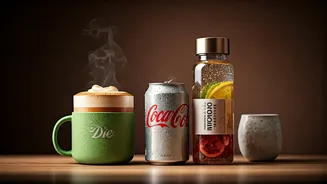
boost; they represent a tangible source of comfort and a structured ritual for managing the anxieties and pressures of contemporary existence. Platforms like TikTok are buzzing with young individuals sharing their experiences with these specially chosen drinks, from elaborately prepared iced coffees to a simple can of Diet Coke. This phenomenon highlights a generation that is increasingly vocal about mental well-being and actively seeking accessible methods to alleviate stress and anxiety. The very act of ordering, crafting, or slowly savoring these beverages can serve as a grounding practice, offering a moment of serene control amidst a often chaotic environment. Experts observe this trend as a reflection of broader societal shifts, including a heightened consciousness around mental health and the pervasive influence of digital interactions. These drinks act as anchors, providing a small, manageable indulgence that fosters a sense of personal agency and immediate satisfaction. The aesthetic appeal, often enhanced with colorful syrups and toppings, further contributes to their viral spread online, solidifying their status as a distinct cultural emblem among young adults.
Psychological Anchors of Comfort
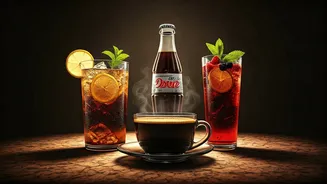
From a psychological standpoint, the significance of an 'emotional support' drink lies not in the liquid itself but in the deeper emotional associations it carries. Clinical psychologist Dr. Rimpa Sarkar explains that humans are innately driven to seek out comfort, predictability, and established routines when feeling stressed or overwhelmed. In this context, an 'emotional support' drink becomes a symbolic psychological tool – something familiar, readily available, and offering immediate solace. Whether it's a cup of coffee, a vibrant matcha latte, a chewy boba tea, or even a fizzy soft drink, these beverages provide a sense of control during moments when emotions might feel unpredictable and turbulent. For individuals like Aaditya Sharma, a PR professional, a drink like Appy Fizz, which offers a distinct flavor profile and is caffeine-free, serves as a reliable constant. It represents a dependable element in an uncertain world, always delivering the same taste and comfort. Sharma consciously opts for such non-alcoholic choices over alcohol when stressed, recognizing the potential for unhealthy habit formation and preferring a healthier way to cope with pressure.
Sober Choices and Identity
Sharma's preference for non-alcoholic comfort drinks aligns with a broader, often misunderstood, shift within Gen Z: a notable embrace of the 'sober-curious' movement. While older generations might associate fun with social drinking, Gen Z is increasingly prioritizing personal well-being and actively challenging the notion that alcohol equals enjoyment. This trend is supported by data: a 2024 UK study indicated that individuals aged 20 to 24 are significantly less likely to spend on alcoholic beverages compared to previous generations. Publications have even dubbed Gen Z as 'the soberest generation,' with statistics showing a declining percentage of young adults regularly consuming alcohol. Consequently, an 'emotional support' drink, typically non-alcoholic, serves as a clean and accessible option for managing life's difficulties. For some, like Bhumija Rishi, a consultant, the appeal extends beyond the drink itself to the ritual and aesthetics of consumption. She finds joy in her coffee, but also in the 'old-world charm' of her elegant crockery, suggesting that the entire experience contributes to the sense of comfort and self-care.
Underlying Coping Mechanisms
Dr. Sarkar further elaborates on the multifaceted reasons behind this 'emotional support' drink trend, identifying several key psychological drivers. In environments characterized by constant, low-level stress, individuals often turn to 'micro-coping' strategies – small, repeatable habits that offer quick emotional resets throughout the day. The ritualistic aspect of consuming a specific drink at a set time provides structure and predictability, which can effectively calm the nervous system and reduce anxiety by signaling familiarity. Furthermore, the sensory engagement involved – holding a warm mug, savoring a particular flavor, or deliberately slowing down the consumption – acts as a grounding mechanism, anchoring individuals in the present moment. For many, these drinks become intertwined with their identity, with phrases like 'my emotional support coffee' serving as an acknowledgment of stress while normalizing self-soothing behaviors. Social media plays a significant role by amplifying this trend, transforming personal coping habits into relatable content and fostering a shared language around comfort and stress management. While these drinks offer temporary relief and are a convenient way to regulate emotions, Dr. Sarkar emphasizes they do not address underlying emotional concerns, yet they powerfully reflect a desire for accessible, non-overwhelming self-care in everyday life.