
Tax Slab Adjustments
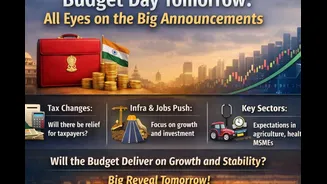
One of the primary expectations is a revision of income tax slabs. Taxpayers often hope for adjustments that would either lower their tax burden or increase
their take-home income. The current tax structure, including various income tax slabs, often affects how much of their earnings individuals retain after tax deductions. Anticipation centers on whether the government will offer relief by modifying the existing slabs, potentially raising the exemption limit or adjusting the tax rates applicable to different income brackets. Such changes could lead to increased disposable income for many salaried individuals, helping to boost consumer spending and stimulate economic activity. The expectation also includes simplification of the tax system, making it easier for taxpayers to understand and comply with tax regulations.
Enhanced Deductions & Exemptions
Another key area of expectation revolves around deductions and exemptions. Salaried individuals are always looking for ways to reduce their taxable income through various available deductions. Many hope for an increase in the limits for deductions under sections like 80C, which includes investments in Provident Fund (PF), life insurance premiums, and other specified investments. Additionally, there are expectations for greater tax breaks for home loans, education expenses, and healthcare premiums. By increasing the scope or the limits of these deductions, the government can provide significant tax relief. Furthermore, there is interest in new exemptions or incentives that might benefit specific segments, such as those related to electric vehicle purchases, sustainable living, or investments in start-ups. The aim is to make tax laws more supportive of people's financial well-being and encourage economic growth.
Economic Growth Initiatives
The broader economic outlook significantly impacts taxpayers' expectations. They are keen on the government introducing measures that foster economic growth and create job opportunities. This could include infrastructure spending, tax incentives for businesses, and initiatives to support small and medium-sized enterprises (SMEs). Salaried individuals and middle-class taxpayers are looking forward to measures that could boost employment, encourage entrepreneurship, and spur overall economic activity. Such measures not only lead to better job prospects but also potentially increase income levels. Additionally, there’s an expectation of policies that address inflation and control the cost of living. People are particularly hopeful for steps that stabilize prices of essential goods and services and enhance the purchasing power of their income. A stable and growing economy is seen as crucial for the financial well-being of the middle class.
Simplification & Transparency
Taxpayers want a more straightforward and transparent tax system. The complex nature of tax regulations often leads to confusion and challenges for individuals when filing their tax returns. Therefore, one of the significant expectations is the simplification of tax laws and processes. This might include easier online filing procedures, clear guidelines, and reduced paperwork. The goal is to make the tax system more user-friendly and less time-consuming for taxpayers. Greater transparency in the allocation and management of tax revenues is also a priority. People hope to see how their tax money is being utilized in different sectors and development projects. Transparency builds trust in the government's financial management and ensures accountability. The simplification and increased transparency in the budget process are seen as crucial steps towards a more efficient and taxpayer-friendly system, ultimately improving the overall economic environment.
Healthcare & Social Security
In recent times, healthcare and social security have emerged as crucial concerns for salaried individuals. The 2026 Budget is expected to address these needs by focusing on enhancements in the healthcare sector. Expectations include increased allocations for healthcare infrastructure, expanding health insurance coverage, and promoting preventive healthcare measures. Taxpayers are keen on measures that reduce healthcare costs and improve access to quality medical services. Furthermore, improvements in social security are highly anticipated. People look forward to pension reforms, better unemployment benefits, and other social welfare programs. The goal is to offer a strong safety net for the middle class, helping to protect them against financial uncertainties, particularly during times of illness, old age, or economic downturn. These measures demonstrate the government's commitment to social welfare and financial security for the general public.