





Adda Conversations Unfold
As West Bengal gears up for crucial elections, the vibrant city of Kolkata is witnessing a subtle yet significant shift in its political conversations.
While the usual lunchtime bustle continues in places like Dacre's Lane, a new undercurrent is palpable. Unlike previous election seasons characterized by open declarations and strong opinions, current discussions are often more subdued, characterized by measured tones and incomplete sentences. The familiar exchange of ideas over tea, cigarettes, and meals in informal 'adda' hubs now seems to carry an air of introspection. People are discussing the contest between major political forces, but their pronouncements are less assertive, with thoughts frequently trailing off before reaching a definitive conclusion. This change in communication style reflects a deeper sentiment where individuals are less inclined to publicly reveal their political leanings, preferring to keep their thoughts private. The desire for positive change and improved living conditions is a common thread, yet the path to achieving it remains a subject of quiet contemplation.
Confidence with Caveats
Within the bustling atmosphere of Kolkata's gathering spots, a spectrum of political sentiments is expressed, though not always with unrestrained certainty. While some individuals voice strong allegiances, others articulate a cautious outlook, emphasizing the importance of governance over ideological pronouncements. One perspective highlights the need for time to address persistent problems, suggesting that issues, whether governmental or administrative, require patient resolution. This viewpoint also touches upon concerns regarding electoral processes, such as sudden changes in voter rolls and the perceived inefficiencies in administrative planning, underscoring a desire for transparency and foresight. Furthermore, the conversation extends to personal freedoms, with affirmations that cultural and religious practices, including food choices, should remain unhindered by political interference. The overarching theme revolves around the practicalities of daily life – the quest for peace, prosperity, and the efficient functioning of services, rather than solely focusing on party affiliations.
New Market's Guarded Mood
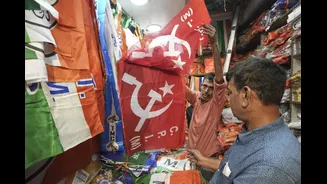
The commercial heart of Kolkata, particularly areas like New Market, reflects a similar reticence in public political discourse. Traders and residents in these locales often express a preference for silence over open political declarations. The reluctance to speak freely can stem from various motivations, including a sense of caution, genuine support, or perhaps a desire to avoid controversy. This guarded atmosphere suggests that only a small fraction of the population feels comfortable expressing their political views openly. When probed about their aspirations from the next government, the responses tend to transcend partisan politics, focusing instead on fundamental needs such as security, a conducive environment for business, and overall well-being. The uncertainty surrounding the electoral outcome is palpable, with many acknowledging that the situation remains fluid and unpredictable. The perception of any political entity, whether incumbent or challenger, is often framed by these basic human desires for stability and prosperity.
Welfare and Youth Aspirations
Further explorations into Kolkata's electoral mood reveal distinct priorities among different demographics. In areas like Park Street, the impact of welfare schemes is a significant point of discussion, particularly their resonance with female voters who benefit from such programs. However, a contrasting sentiment emerges when considering the youth demographic, where unemployment and a lack of opportunities are driving a desire for change. This younger generation articulates a yearning for new leadership and policies that can address their career aspirations. While this desire for change is evident within the city, it's acknowledged that electoral sentiment can differ significantly in rural areas, where adherence to established political affiliations might be stronger. The challenges faced by any party seeking to establish a strong foothold across the entire state are thus highlighted, suggesting a complex and nuanced electoral landscape that extends beyond the urban centers. The discussions underscore that while welfare measures hold sway, economic prospects are a critical factor influencing voter sentiment, especially among the youth.