





Water Worries
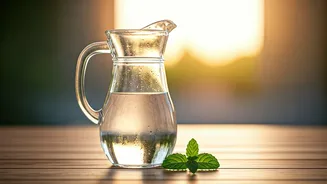
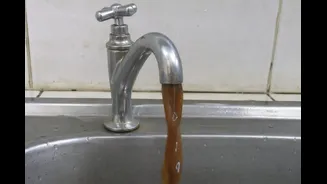
Water, a daily necessity, can be a surprising conduit for microplastic particles, whether sourced from taps or bottled beverages. Research indicates that
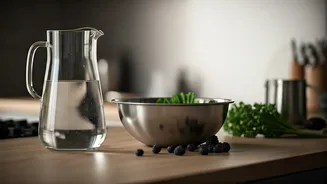
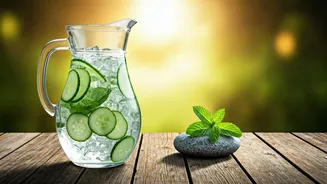
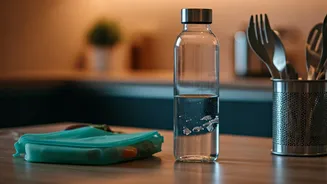
bottled water might contain higher concentrations due to friction from its packaging and caps. While tap water can be a concern, employing a quality household filter, especially one with activated carbon, can dramatically reduce these particles. It's also worth noting that repeatedly using single-use plastic bottles can accelerate the shedding of microplastics over time. For a more sustainable and potentially safer option, if your local water supply is deemed safe, consider using filtered tap water stored in glass or stainless steel containers instead of constantly purchasing pre-packaged water.
Packaging Pitfalls
The plastic containers, takeaway boxes, and various food wrappings we encounter daily can be a source of microplastic release. These tiny particles can detach when these items are opened, scratched, or subjected to repeated use. The problem is often exacerbated by heat, particularly when in contact with oily or acidic foods. Older, worn containers tend to shed more microplastics than newer ones. A gradual transition to glass or stainless steel for food storage is a practical approach to minimizing this exposure. You don't need to replace everything at once; start by replacing containers that show visible signs of wear, such as cracks, cloudiness, or warping.
Reheating Risks
Reheating meals in plastic containers is one of the most efficient ways to introduce a substantial amount of microplastic and nanoplastic particles into your food. The elevated temperatures accelerate the breakdown of plastic surfaces, especially when dealing with foods that are fatty, salty, or acidic. Even common items like disposable cups lined with plastic for hot beverages can contribute to contamination. To avoid this, transfer leftovers into ceramic or glass dishes before microwaving. Similarly, opt for ceramic or stainless steel mugs when enjoying hot drinks. Small adjustments to your reheating habits can yield significant reductions in your daily microplastic exposure over time.
Utensil Usage
Kitchen tools that are scratched, have peeling surfaces, or feature deep grooves, such as non-stick pans with damaged coatings or worn-out plastic spatulas and chopping boards, can directly deposit microplastic particles into your food. The cooking process itself, with its associated heat, can worsen this shedding. If your spatulas are showing signs of wear or your pans have compromised non-stick surfaces, it's advisable to consider replacements. Alternatives like stainless steel, cast iron, wood, or glass can effectively reduce plastic contact during meal preparation. Prioritizing the replacement of tools that are visibly damaged is a sensible first step, rather than discarding all your current kitchenware immediately.
Processing's Part
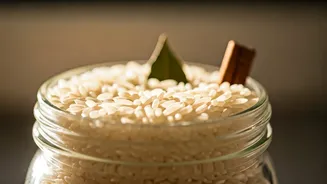
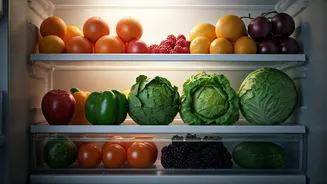
Ultra-processed foods, by their very nature, undergo extensive machinery processing, numerous packaging stages, and multiple handling steps, all of which present increased opportunities for microplastic contamination. In contrast, opting for fresh produce, whole grains, and minimally processed items can help circumvent many of these exposure points. Furthermore, rinsing ingredients like rice, meats, and fish before cooking can help dislodge a portion of any surface microplastics, although complete removal isn't always guaranteed. Making conscious choices about your ingredients and increasing home-cooked meals can not only lower your microplastic intake but also contribute positively to your overall dietary health. Small shifts in your grocery shopping habits can accumulate into substantial benefits.