






Understanding AC Fire Triggers
The relentless heat of summer often forces air conditioners to run non-stop, pushing electrical components to their limits. This constant operation, coupled
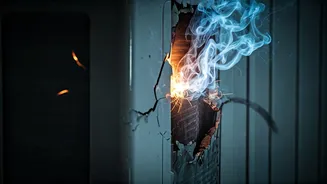
with high ambient temperatures, significantly increases the risk of overheating. Another primary culprit is short-circuiting, an electrical anomaly where current deviates from its intended path. While not inherently dangerous in all scenarios, a surge of excessive current can generate substantial heat, potentially melting wires and igniting a fire. Protective mechanisms like Miniature Circuit Breakers (MCBs) are designed to interrupt the power supply when an electrical overload is detected. These devices feature a bimetallic strip that heats up and bends under excess current, triggering a switch to disconnect the circuit. However, faults within the MCB itself can lead to a failure of this safety feature, thereby creating a fire risk. Data indicates that a substantial portion of fires, around 60%, stem from electrical issues such as short circuits, overheating, and the use of substandard appliances, underscoring the critical importance of proper AC maintenance and installation.
Spotting Potential Dangers
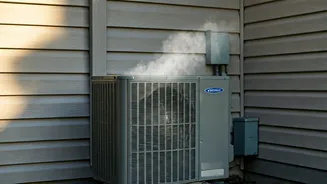
Recognizing the subtle signs that your air conditioner might be developing a safety hazard is crucial for preventing potential fires. Unusual noises emanating from the unit, whether it's a humming, buzzing, or grinding sound, should never be ignored. Frequent and abrupt on-off cycling of the AC, beyond its normal operation, can indicate underlying electrical issues or a struggling compressor. Another clear indicator is inconsistent cooling performance; if your room isn't getting as cold as it used to, or if there are warm spots, it points to a system that might be under strain. Perhaps the most alarming warning sign is any kind of burning smell or visible smoke. These are immediate red flags that require professional attention without delay. If you notice any of these symptoms, it is imperative to cease using the AC and contact a qualified repair service immediately to diagnose and rectify the problem before it escalates.
Essential Prevention Measures
Proactive precautions are key to ensuring your air conditioner operates safely and efficiently, especially during the peak summer months. For split AC systems, both the indoor and outdoor units require careful attention, as each contains components that can pose a fire risk. The indoor unit houses the evaporator, blower, and filters, while the outdoor unit contains the compressor and a fan to dissipate heat. It's vital that all indoor and outdoor wiring connections are kept secure and tight, with cables routed properly to prevent strain on terminals, as loose connections are a common source of heat generation. Ensure that your circuit breaker and fuses are in good working order. If your area experiences frequent voltage fluctuations, installing a voltage stabilizer is a wise investment to protect your AC by providing a consistent power supply. All installations and modifications should be handled by authorized service professionals. Regular maintenance, including cleaning dust from air filters, is essential, as accumulated dust can obstruct airflow, putting undue pressure on the system. Aim to set your AC temperature between 24 to 26 degrees Celsius; excessively low settings can overwork the unit. Keep the indoor unit dry and avoid placing any objects near the outdoor unit, as debris like dry leaves can accumulate, potentially attracting pests that might damage internal components. Finally, avoid running the AC continuously for prolonged periods and turn off the main power switch when the unit is not in use for an extended duration.