






Health and Research Hub
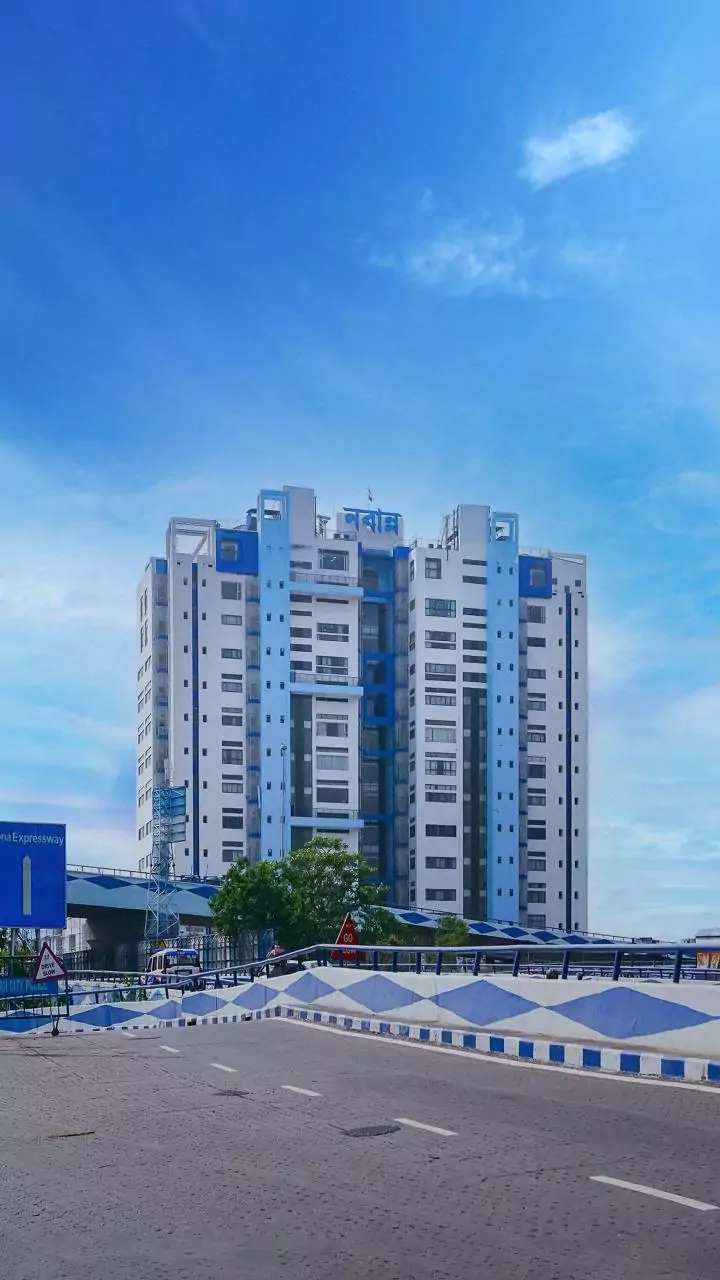
Kolkata, renowned for its rich heritage, also stands out as a critical hub for health and research. The budget recognized Kolkata's importance by allocating
funds to boost the city's healthcare infrastructure and research capabilities. This initiative aimed to enhance access to advanced medical facilities and support groundbreaking research projects. The investment in healthcare not only aimed to improve public health outcomes but also to foster innovation in medical science, further solidifying Kolkata's position as a leading center for healthcare excellence. The focus on research meant encouraging advancements in treatments and technologies, ultimately benefiting patients and contributing to the region's overall development.
Jute Sector Revival
The budget also spotlighted the revival of the jute sector, a vital component of West Bengal's economy. Recognizing the historical significance and economic value of jute, the government introduced measures to modernize and strengthen the industry. These efforts included financial assistance for jute farmers, technological upgrades for mills, and the promotion of sustainable practices. The objective was to enhance the competitiveness of jute products in the global market, thereby creating new employment opportunities and boosting the incomes of those involved in the jute industry. By investing in this sector, the government aimed to preserve its cultural heritage while driving economic growth and supporting livelihoods of the people involved.
High-Speed Rail Corridors
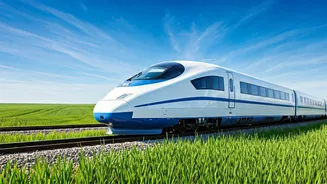
Significant emphasis was placed on the development of high-speed rail corridors, aiming to revolutionize transportation in West Bengal. These high-speed rail projects were designed to improve connectivity across the state and enhance links with neighboring regions. This infrastructure development would reduce travel times, improve trade efficiency, and stimulate economic activity. The budget allocations covered the planning and construction of high-speed rail lines, ensuring the state benefits from advanced transportation infrastructure. This focus on improving rail networks was expected to improve the movement of goods and people and contribute significantly to overall economic development by improving connectivity.
Freight Transport Boost
The budget included provisions to improve freight transport systems in West Bengal, recognizing the critical role efficient logistics play in economic growth. The focus was on modernizing infrastructure and streamlining processes to facilitate smoother and faster movement of goods. This initiative involved upgrading existing transport networks, constructing new freight corridors, and implementing advanced logistics solutions. By enhancing freight transport, the government aimed to reduce transportation costs, increase trade efficiency, and support the growth of industries across the state. The investments were intended to ensure that businesses could operate more effectively, contributing to economic expansion.
Green Mobility and Tourism
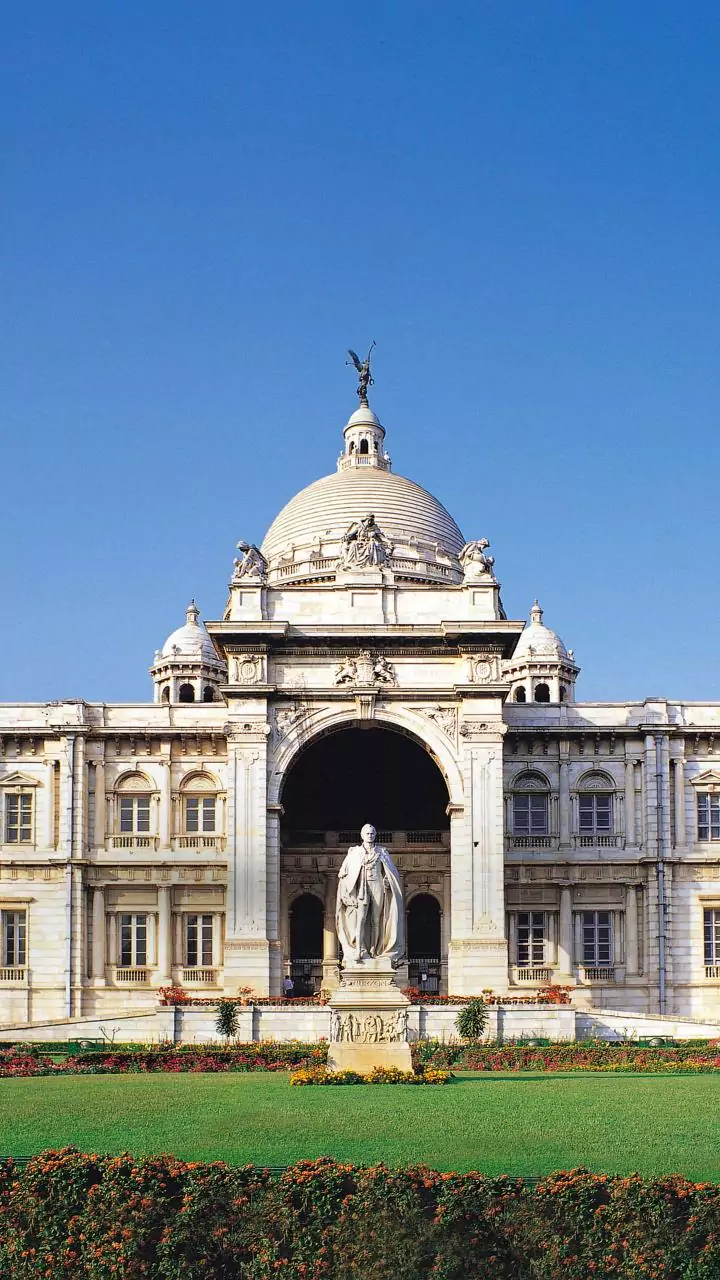
The final area of focus in the budget was green mobility and tourism, two sectors with the potential for substantial growth in West Bengal. The budget included incentives for adopting electric vehicles, promoting sustainable transportation options, and reducing pollution. Simultaneously, investments were made to enhance tourism infrastructure and promote the state’s historical sites, natural beauty, and cultural heritage. The goal was to attract more tourists, create new jobs, and boost the local economy. By supporting green initiatives and tourism, the budget aimed to promote sustainable development, preserve the environment, and celebrate West Bengal's unique cultural identity and provide financial support for boosting tourism.