






Interpreting the Numbers
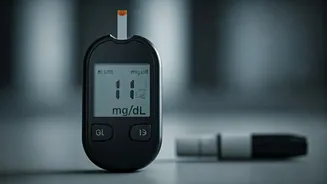
When your fasting blood sugar reads 111 mg/dL, it's a signal that's slightly above the optimal range, typically falling into the category of impaired fasting glucose,
often termed prediabetes. This means your body might be beginning to show signs of insulin resistance. However, it's crucial to pair this reading with your HbA1c result. An HbA1c of 5.5% is comfortably within the normal threshold, which is generally considered to be below 5.7%. This percentage offers a broader perspective, indicating that your average blood glucose levels over the preceding two to three months have been stable and well-controlled. Therefore, while the single fasting measurement suggests a potential area for improvement, your overall glucose management over time remains healthy, preventing immediate cause for alarm.
The Role of Short-Term Factors
It's entirely possible for a single fasting blood sugar reading to fluctuate due to various transient factors, explaining the discrepancy you might observe between a slightly elevated fasting number and a healthy HbA1c. Elements such as experiencing heightened stress, not getting adequate sleep, consuming a late-night meal, or even a minor bout of illness can temporarily influence your morning glucose levels. Your HbA1c, on the other hand, provides a more reliable, long-term overview by reflecting your average blood sugar over an extended period. This is why it’s essential not to overreact to one isolated reading, but rather to consider it alongside your comprehensive HbA1c data, which offers a more consistent picture of your body's glucose regulation.
Proactive Lifestyle Adjustments
Encountering a fasting blood sugar of 111 mg/dL, despite a good HbA1c, is an excellent opportunity to adopt a proactive approach to your health rather than immediately considering medication. The focus should be on enhancing your lifestyle habits to improve insulin sensitivity and maintain optimal blood sugar. Incorporating regular physical activity is key; aiming for at least 30 to 45 minutes of brisk walking or comparable exercise most days of the week can significantly boost your body's response to insulin. Equally important is refining your diet by reducing processed carbohydrates, being mindful of portion sizes, and increasing your intake of dietary fiber from sources like vegetables, whole grains, and legumes, all of which contribute to stabilizing blood glucose levels.
Beyond Diet and Exercise
While diet and exercise are foundational, other lifestyle elements often overlooked play a critical role in maintaining healthy blood sugar levels and overall well-being. Ensuring you consistently get good quality sleep is paramount, as sleep deprivation can negatively impact insulin sensitivity and glucose metabolism. Effective stress management techniques are also vital; chronic stress can lead to hormonal imbalances that affect blood sugar. Maintaining a healthy body weight is another crucial factor, as excess weight, particularly around the abdomen, is strongly linked to insulin resistance. Prioritizing these often-neglected aspects of your daily routine is as important as your dietary choices and physical activity for long-term metabolic health.
Next Steps and Monitoring
Should you find yourself in a situation with a fasting blood sugar of 111 mg/dL, it's advisable to re-evaluate this measurement after a few weeks, ensuring you've optimized your conditions beforehand. This means getting adequate rest the night before and adhering to a proper fasting period. If, after these adjustments, your fasting glucose levels remain elevated, consulting a qualified healthcare professional is the recommended course of action. They may suggest further diagnostic tests, such as a post-meal blood sugar check or an oral glucose tolerance test (OGTT), to gain a more comprehensive understanding of your glucose metabolism and provide personalized guidance.