


The Everyday Ache
Many individuals over the age of 40 commonly experience morning stiffness, often described as a feeling of tightness in their joints, particularly the knees,
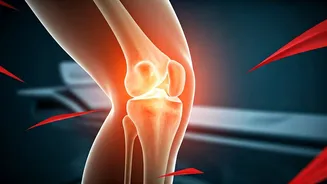
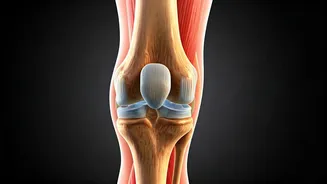
fingers, or back. This tightness typically dissipates within a short period of movement, such as after brushing teeth or walking around the house. Orthopaedic specialists explain that this mild stiffness is often a natural consequence of aging. As we get older, the natural lubrication within our joints tends to decrease, and the cartilage, which acts as a protective cushion between bones, can gradually wear down. Furthermore, our muscles can become less flexible, especially after prolonged periods of inactivity during sleep. This type of stiffness, known as physiological stiffness, is generally considered harmless, usually lasts for less than 15 to 20 minutes, and doesn't significantly hinder daily activities.
When Stiffness Signals Trouble
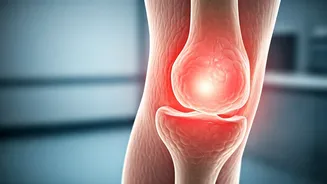
However, not all morning stiffness should be casually dismissed. Medical professionals highlight that stiffness persisting for over 30 to 45 minutes in the morning can serve as an important indicator of a potential underlying issue. If this prolonged stiffness is accompanied by significant pain, swelling, warmth, or redness in the affected joints, it might point towards an inflammatory condition. Conditions like rheumatoid arthritis, gout, and other autoimmune disorders are known culprits for causing persistent morning stiffness. Unlike the brief, age-related stiffness, stiffness caused by inflammatory arthritis tends to linger longer and improves gradually with movement. A key differentiator lies in how pain relates to activity. In osteoarthritis, a degenerative joint disease, stiffness is usually short-lived in the morning but intensifies after prolonged physical activity. Conversely, inflammatory arthritis typically presents with the worst stiffness in the morning, which then improves as the day progresses.
Red Flags to Note
Morning stiffness becomes a genuine concern when it meets specific criteria. You should seek medical attention if the stiffness consistently lasts longer than 30 minutes each day, or if it has been present for more than 4 to 6 weeks. It's also a red flag if multiple joints are affected simultaneously, or if you observe swelling, redness, or warmth in your joints. Additionally, if the stiffness is accompanied by other unexplained symptoms such as persistent fatigue, a low-grade fever, or significant weight loss, it warrants immediate medical evaluation. Any persistent symptoms lasting over six weeks should not be ignored. Prompt medical assessment is crucial for accurate diagnosis and to prevent potential long-term joint damage and disability. Early detection of many inflammatory joint conditions allows for effective treatment, often leading to favorable outcomes and preservation of joint function.
Common Causes Identified
Experts have identified several common contributors to morning stiffness. These include natural age-related changes in the joints, suboptimal sleep posture that can lead to muscle tightness, and osteoarthritis, a condition characterized by the wear and tear of joint cartilage. Inflammatory diseases such as rheumatoid arthritis are also significant causes. Less commonly, but still relevant, are deficiencies in Vitamin D, gout, and post-viral inflammation that can occur after certain infections. Even seemingly minor factors like dehydration or insufficient physical activity can exacerbate stiffness. Individuals who spend long hours sitting during the day or lead sedentary lifestyles may find they experience more morning tightness due to reduced joint mobility and muscle inflexibility.
Lifestyle Adjustments for Relief
Fortunately, many instances of morning stiffness can be effectively managed and alleviated through consistent adoption of simple daily habits. Beginning your day with gentle stretching exercises can significantly improve joint flexibility and reduce tightness. Taking a warm shower can help relax stiff muscles and joints, easing discomfort. Maintaining an active lifestyle throughout the day, rather than prolonged sitting, is beneficial. A balanced diet rich in calcium and vitamin D supports bone and joint health, and ensuring adequate hydration by drinking enough water is also important. Paying attention to sleep posture to ensure proper alignment can prevent muscle strain. Stress reduction techniques like yoga and meditation can also contribute to overall well-being and potentially reduce stiffness. Maintaining a healthy Body Mass Index (BMI) is particularly crucial, as excess body weight places considerable strain on weight-bearing joints like the knees and hips. Physiotherapy can further aid by strengthening the muscles surrounding the joints and enhancing overall flexibility.