




The New Culinary Wave
The Indian street food scene is witnessing a significant transformation, with Korean street food emerging as the new favorite. This change marks a departure
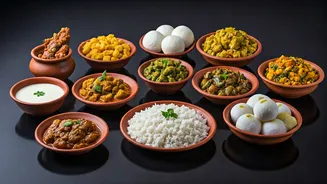
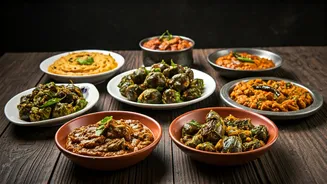
from the dominance of traditional options like momos and chaat. Food carts and street vendors are increasingly adapting to offer a diverse menu of Korean dishes, captivating the Indian palate and attracting significant attention. This transition signifies more than just a change in menu; it mirrors an evolving cultural exchange and the increasing openness of Indians to global culinary trends.
Why Korean Food?
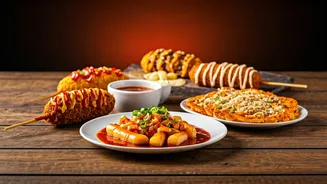
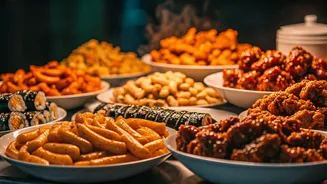
Several factors contribute to the rising popularity of Korean street food in India. The distinct flavors, including the savory, sweet, and spicy combinations, appeal widely to the Indian taste buds. Dishes like kimchi, tteokbokki (spicy rice cakes), and Korean fried chicken are gaining significant traction. Moreover, the visual appeal of Korean street food, often enhanced by its vibrant presentation and Instagram-worthy aesthetics, also plays a crucial role in its popularity. The influence of Korean pop culture, including K-dramas and K-pop, has further heightened interest in Korean cuisine among Indian audiences, leading to increased demand.
From Thelas to Tables
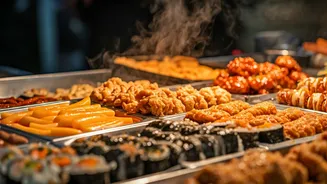
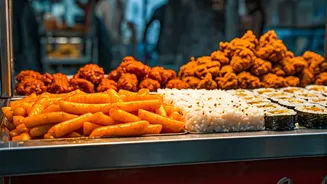
The emergence of Korean street food has led to the adaptation of street food carts, or 'thelas,' across India. Vendors are modifying their offerings to cater to this new demand, adding Korean dishes to their menus alongside traditional options. This adaptation involves sourcing the right ingredients, mastering Korean cooking techniques, and understanding the presentation styles of the dishes. The trend is not limited to street food; several restaurants and cafes are also incorporating Korean dishes. This integration indicates a broader acceptance and integration of Korean culinary elements into the Indian food scene.
Impact and Future
The rise of Korean street food has significant implications for the Indian food industry. It reflects the globalization of tastes and the willingness of Indians to embrace diverse cuisines. This trend also influences the growth of related businesses, such as suppliers of Korean ingredients and vendors selling cooking equipment. The success of Korean street food could pave the way for other global cuisines to gain popularity in India. The future may see an even greater diversity of international street food options, and the continuing evolution of India's culinary landscape.