






Empowering Families in Crisis
In Punjab, the Mukh Mantri Sehat Yojna stands as a cornerstone of healthcare protection, offering substantial coverage of ₹10 lakh for each family. This
program is specifically designed to empower citizens, enabling swift access to medical care during unforeseen and severe health emergencies. By mitigating the significant financial strain that often accompanies critical illnesses such as heart attacks, cancer, and complications during childbirth, the state government's proactive strategy aims to effectively bridge the critical gap between the urgency of medical need and the affordability of treatment. This large-scale public health intervention underscores a commitment to ensuring that financial constraints do not impede access to life-saving medical attention, especially when conditions strike without warning and require immediate intervention to prevent dire consequences.
The Silent Threat of Disease
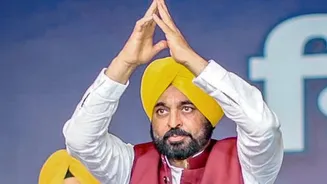
Many serious ailments, including cardiovascular events, oncological diagnoses, and obstetric emergencies, often manifest with little to no preliminary symptoms, striking abruptly and demanding immediate medical attention. This insidious nature of such conditions means that early warning signs are frequently absent, leaving individuals and families with minimal time for preparation or decision-making. Recognizing this growing societal concern, Punjab has implemented initiatives like the Mukh Mantri Sehat Yojna. The scheme is fundamentally geared towards addressing the financial preparedness gap, ensuring that the ability to afford urgent medical care does not become an insurmountable barrier for any family facing a sudden health crisis. The government, under Chief Minister Bhagwant Singh Mann, is facilitating free medical treatment up to ₹10 lakh annually for every family, encompassing over 2,300 diseases treated in both public and private healthcare facilities.
Global Call for Early Action
Globally, health data consistently highlights the critical importance of prompt medical intervention. The World Health Organisation reports that chronic diseases like heart conditions, cancer, diabetes, and respiratory ailments are responsible for approximately 75% of annual global deaths. Alarmingly, many individuals remain unaware of their predisposition to these conditions until they reach advanced stages. Dr. Esha Arora, a Medical Officer at the District Hospital, Mohali, observes that patients frequently present with diseases already in advanced phases, underscoring that while early detection significantly boosts treatment efficacy, it is often overlooked. The underutilization of routine screenings, she notes, stems from a misplaced sense of security when symptoms are absent, leading to delayed diagnoses and potentially poorer outcomes.
Time is Life in Emergencies
Medical experts universally emphasize that during acute emergencies, the swiftness of response directly correlates with patient outcomes. The American Heart Association points out that even slight delays in treating conditions like heart attacks or strokes can lead to irreversible damage or prove fatal. Doctors frequently witness a common hesitation among families in critical moments, often driven by concerns over treatment costs. Dr. Esha Arora elaborates that this pause to assess financial implications can critically endanger the patient. It is precisely within this challenging scenario that financial protection mechanisms such as the Mukh Mantri Sehat Yojna are poised to make a profound and positive transformation in healthcare accessibility and emergency response.
Scheme's Impact and Reach
The Mukh Mantri Sehat Yojna has demonstrated significant traction across Punjab, from initial enrollment to the delivery of actual medical care. Official figures reveal that over 33 lakh families have registered under the scheme, facilitating numerous hospital admissions, particularly for complex treatments like cardiac interventions, cancer therapy, and dialysis. The State health agency reports that more than 33 lakh beneficiaries are registered, with 1,98,793 free treatments approved, totaling approximately ₹3,30,01,32,533, of which ₹59,34,18,468 has already been disbursed to healthcare providers. The scheme's benefits extend to individuals across all age demographics, including infants and seniors, who have received critical care ranging from heart surgeries to comprehensive cancer treatment.
Reducing Financial Burden
Insights from the Health Department indicate that this initiative has substantially lowered out-of-pocket healthcare expenses for a vast number of families, especially concerning high-cost medical treatments that might otherwise necessitate significant borrowing or the liquidation of assets. This is particularly pertinent within the Indian healthcare landscape, where out-of-pocket spending constitutes a considerable portion, nearly 47%, of the total healthcare expenditure, as documented by studies from the National Sample Survey Office and other government-backed research. The scheme thus acts as a crucial buffer, preventing financial destitution when families are confronted with severe medical conditions and the associated treatment costs.
Positive Early Indicators
Initial findings suggest a promising impact on the ground, even as comprehensive evaluations are ongoing. These positive signs include a greater readiness among patients to seek hospital-based care, a noticeable reduction in delays for emergency admissions, and an incremental rise in the diagnosis of certain conditions at earlier stages, especially within regions where proactive screening programs are active. These developments indicate that the scheme is fostering a more responsive and accessible healthcare ecosystem, encouraging timely medical attention and potentially improving long-term health outcomes for the state's population.
Expanding Equitable Access
Punjab Health Minister Balbir Singh articulated that the Mukh Mantri Sehat Yojna is an integral component of a wider state-wide strategy aimed at guaranteeing fair and equal access to healthcare for all residents. The government's overarching goal is to eliminate financial barriers as a reason for treatment deferral. Continuous efforts are being undertaken to broaden the scheme's coverage, enhance the network of empaneled hospitals, and reinforce the efficiency of its implementation mechanisms. The ongoing enrollment drive is gaining considerable momentum, with targeted awareness campaigns being conducted by the state health agency to ensure beneficiaries are fully informed about how and when to utilize the scheme's provisions effectively.
Focus on Prevention Gaps
Despite the significant strides in providing financial protection during medical emergencies, experts highlight that preventive healthcare remains a critical area requiring greater attention. Regular health check-ups, early diagnostic screenings, and proactive management of individual risk factors are still underutilized, particularly in rural areas. National Family Health Survey data reveals that only about a quarter of adults in rural settings have ever undergone basic health screenings, and cancer screening rates among women are below 2%. While insurance schemes offer a vital safety net when illness occurs, the ultimate severity and prognosis of diseases are intrinsically linked to preventive measures and early detection, emphasizing the need for a dual approach to healthcare.
Building a Resilient Future
While unforeseen health emergencies cannot always be predicted, preparedness can be substantially enhanced. The Mukh Mantri Sehat Yojna provides indispensable financial security, which, when coupled with heightened public awareness and a strengthened emphasis on preventive healthcare practices, is steadily forging a more robust and resilient healthcare framework within Punjab. As health professionals observe, the crucial distinction between recovery and lasting health consequences often hinges on the ability to transition from a sudden illness to timely medical care without delay. Therefore, proactive preparedness is not merely a policy objective but an essential requirement for safeguarding public well-being.