







PNR Status Explained
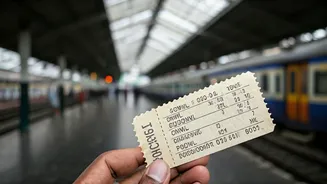
Indian Railways uses the Passenger Name Record (PNR) to keep track of passenger details and booking status. Your PNR number is a 10-digit code that contains
all the relevant information about your journey. This includes details like the train number, date of travel, passenger names, and the booking status. The booking status is where terms like GNWL, RLWL, and PQWL come into play, influencing the chances of your ticket confirmation. Understanding these abbreviations is critical for passengers to manage their expectations and make informed travel decisions. The PNR system is a core part of the Indian Railways' operations, and grasping its basics empowers passengers to navigate the system more effectively.
Decoding GNWL Status
GNWL, or General Waitlist, represents the standard waiting list. It's the most common type of waiting list. If your ticket status shows GNWL, it means you're on a waiting list and haven't yet secured a confirmed seat. The probability of your ticket getting confirmed depends on the number of cancellations and the demand for that particular train and route. The lower the GNWL number, the better your chances of confirmation. For example, GNWL 1 means you're first on the waiting list, while GNWL 100 indicates a much lower likelihood of confirmation. Passengers with GNWL tickets should monitor their PNR status regularly, as the status changes frequently until the charting process.
Understanding RLWL Tickets
RLWL, or Remote Location Waitlist, applies to stations that are away from the originating station. These tickets are managed with a different priority compared to GNWL. When a ticket is booked under RLWL, the system considers the demand and cancellations specific to the route segment. The chances of confirmation under RLWL can be unpredictable. The confirmation depends on the number of passengers canceling tickets within the specific route. If a seat becomes available on the train in the passenger's route, the chances of the RLWL ticket getting confirmed is high. This type of ticket often has a lower chance of confirmation because it considers demand in less-populated areas or segments of the journey. Passengers with RLWL tickets should be ready for potential changes, including the possibility of not getting a confirmed seat.
Navigating PQWL Tickets
PQWL stands for Pooled Quota Waitlist. These tickets are typically issued for journeys between intermediate stations and are managed separately from GNWL and RLWL. The pooled quota is a specific set of seats that are reserved for passengers traveling between certain stations on a train route. The confirmation probability of PQWL tickets depends on cancellations along that specific segment of the journey. If there are cancellations between your origin and destination stations, there's a higher chance your ticket could get confirmed. The confirmation of a PQWL ticket is often influenced by passengers canceling their reservations for the same route segment, making it a more localized waitlist than GNWL. Checking the PNR status frequently is key for PQWL ticket holders to get updates on their confirmation chances.
Checking PNR Status
Checking your PNR status is a straightforward process. You can do so through the Indian Railways website (IRCTC), the official mobile app, or various third-party travel websites and apps. Simply enter your 10-digit PNR number to get the real-time status of your ticket, including the current booking status (GNWL, RLWL, PQWL), the seat/berth allocation if confirmed, and any changes in the status. Regularly checking your PNR helps you stay informed and make any necessary travel arrangements. Be mindful that the status can change until the charting is done, usually a few hours before the train's departure. Keeping an eye on your PNR is a proactive step in managing your travel plans.
Tips for Travelers
When booking tickets, particularly during peak seasons or for popular routes, consider these tips. Book your tickets as early as possible to improve your chances of getting confirmed seats. If you're on the waitlist, regularly check your PNR status to see if there are any changes. Have alternative travel plans in case your waitlisted ticket doesn't get confirmed. Consider using the Tatkal scheme if you need to travel urgently and confirmed seats are unavailable. Be prepared to potentially change travel dates or opt for an alternate mode of transport if your waitlisted ticket doesn't get confirmed. Understanding the implications of GNWL, RLWL, and PQWL helps you make informed choices while booking and managing your railway travel.