





Approved Attire Essentials
For male candidates appearing for the NEET UG 2026 exam, adhering to a straightforward dress code is paramount for a seamless examination experience. It
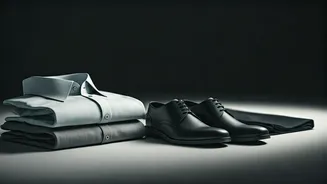
is advisable to opt for light-colored shirts or T-shirts made of half sleeves, ensuring they are simple and free from elaborate designs. Plain trousers or pants are the preferred choice, steering clear of those with excessive pockets or intricate detailing. While simple jeans without embroidery or large decorative buttons might be permissible, it's safer to stick to basic trousers. Footwear is also a critical consideration; candidates must wear slippers or low-heeled sandals. Crucially, shoes, boots, or any form of closed footwear are strictly prohibited, as are any items with metallic components or excessive embellishments. Embracing this minimalist approach to clothing not only complies with the regulations but also expedites the frisking process at the examination center.
Items to Strictly Avoid
To ensure a smooth and compliant entry into the NEET UG 2026 examination hall, male candidates must be mindful of several items that are explicitly forbidden. The National Testing Agency (NTA) has outlined a clear list of what not to wear or bring, primarily to prevent any form of unfair practices or the concealment of electronic devices. This includes avoiding clothing with large buttons, zippers, or any metallic parts, as these can trigger metal detectors. Additionally, any form of headwear such as caps or scarves, along with accessories like watches, bracelets, rings, or chains, are prohibited. The emphasis is on keeping the attire and personal effects as basic and devoid of potential distractions or concealment aids as possible. Fancy or heavy clothing, which might conceal items, is also disallowed. Familiarizing yourself with this list beforehand can prevent last-minute stress and potential issues at the examination center.
Religious and Customary Attire
Recognizing the diversity of candidates, the NEET UG 2026 dress code makes provisions for those wearing religious or customary attire. Individuals who need to wear items like a hijab, turban, or burqa are permitted to do so. However, there are specific protocols to follow to ensure compliance and facilitate the examination process. These candidates are required to report to the examination center at least one hour earlier than the stipulated reporting time. This advance arrival allows for thorough verification and security checks without causing undue delays to their entry. In some instances, it might be necessary to inform the authorities in advance, depending on specific requirements or guidelines provided by the NTA. Adhering to this special procedure ensures that candidates wearing customary dress can complete the necessary checks efficiently and proceed to their examination hall without any complications.
Common Dress Code Pitfalls
Many aspiring doctors encounter avoidable difficulties on examination day due to common mistakes related to the NEET UG dress code. A frequent oversight is the wearing of full-sleeve shirts or layered clothing, which can lead to additional scrutiny. Similarly, carrying or wearing any form of jewellery or metal accessories, including watches, is a common error that can cause delays. Opting for shoes instead of the prescribed slippers or sandals is another mistake that candidates often make. It is also crucial to remember that banned items, such as electronic gadgets or even excessive stationery, should not be brought to the center. Finally, ignoring the specific reporting times for candidates with special attire can lead to missed opportunities or entry denial. Being aware of these frequent errors and consciously avoiding them is vital for a smooth and successful exam day experience.