




Campaign Trail Highlights
The campaign trail for the 2026 Assembly elections has seen a flurry of activity across Tamil Nadu and West Bengal. In Tamil Nadu, Chief Minister M.K.
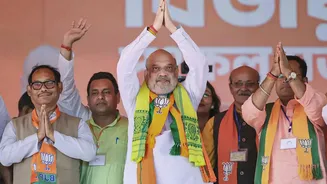
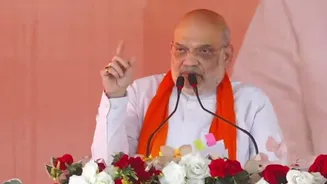
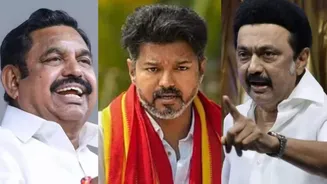
Stalin has been actively campaigning for DMK candidates, urging early voting and highlighting the party's welfare achievements. His administration is also focused on protecting the state's interests, with Stalin vowing to be a 'danger' to those hindering progress. Meanwhile, AAP leader Arvind Kejriwal has voiced strong opposition to the NDA's potential influence in Tamil Nadu, warning of policy reversals and criticizing the BJP's governance record. The PMK's Anbumani Ramadoss has pledged a phased implementation of prohibition and eradication of narcotics if their alliance comes to power. On the other hand, the Boyanayak community in Tiruppur district has announced a boycott of the elections, citing a lack of political representation. In West Bengal, Union Home Minister Amit Shah has been a prominent figure, making several key promises, including the withdrawal of cases against Gorkhas, ending 'syndicate raj,' and banning certain marriages by enforcing the UCC. He has also highlighted alleged financial disparities in government allocations and criticized the TMC government's handling of women's safety issues. The BJP is aiming to restore industrial glory to areas like Kulti and has promised merit-based employment for one lakh youths annually. The political discourse has also been marked by clashes between BJP and TMC workers in Kolkata, leading to arrests. Reports also indicate a significant percentage of candidates in the West Bengal polls have declared criminal cases or are crorepatis.
Key Promises & Concerns
Political parties are making a wide array of promises and addressing significant concerns as the 2026 elections draw closer. In West Bengal, the BJP's agenda includes ending what they term 'syndicate raj' and promoting merit-based employment, with Amit Shah promising one lakh jobs annually for the state's youth. He has also pledged to resolve long-standing issues for the Gorkha community within six months of forming a government and to withdraw all cases against them. Shah has also controversially stated that the BJP will 'ban four marriages in certain community by enforcing UCC in Bengal.' The TMC, through Abhishek Banerjee, has vowed to continue its popular 'Lakshmir Bhandar' scheme, providing monthly financial assistance to women. For Tamil Nadu, the PMK's Anbumani Ramadoss has proposed a phased implementation of prohibition and the complete eradication of narcotics within three months of their alliance taking power. Chief Minister M.K. Stalin has emphasized protecting Tamil Nadu's progress and has positioned himself as a guardian against anti-development forces. Conversely, Arvind Kejriwal has warned Tamil Nadu voters against the BJP, alleging a history of corruption and misgovernance in states ruled by the party. The issue of criminal records among candidates has also surfaced, with reports indicating a substantial number of contenders in West Bengal have declared criminal cases or are 'crorepatis,' highlighting concerns about the integrity of the electoral process.
Regional Political Landscape
The electoral battlegrounds of Tamil Nadu and West Bengal are exhibiting distinct political dynamics. In Tamil Nadu, the DMK, led by M.K. Stalin, is campaigning on its welfare achievements and seeking early voting to maximize turnout. CM Stalin's assertive stance on protecting the state's interests underscores a strong regional focus. The BJP, with AIADMK alliance confidence expressed by N. Chandrababu Naidu, aims to capitalize on a perceived 'pro-NDA wave.' However, AAP's Arvind Kejriwal has positioned himself as a critic of the NDA, highlighting governance issues. The state also sees a unique situation with the Boyanayak community in Tiruppur district deciding to boycott the elections due to a perceived lack of political representation. West Bengal presents a more volatile scenario, with intense campaigning by both the TMC and BJP. The Junglemahal region, for instance, is expected to witness a fierce contest, with past election results showing fluctuating fortunes for both parties. Amit Shah's campaign speeches have focused on developmental promises, law and order, and critiques of the incumbent TMC government, particularly regarding alleged financial allocations and incidents like Sandeshkhali. The Election Commission has also implemented restrictions on motorbike movement to ensure a peaceful polling process. Reports of clashes between BJP and TMC workers, leading to arrests, underscore the high-stakes nature of the elections in West Bengal.