



The Cardiac Snow Trap
Clearing snow might seem like a simple task, but cardiologists highlight it as one of winter's most dangerous activities for the heart. Dr. Dmitry Yaranov
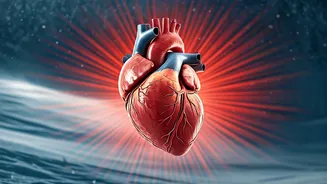
points out that heart attacks linked to shoveling often occur with alarming speed, typically within the first 10 to 15 minutes. This isn't due to any inherent property of snow, but rather a confluence of factors creating a 'perfect storm' for the cardiovascular system. This dangerous mix includes sudden, intense physical exertion, the body's reaction to cold causing blood vessels to constrict, the strain of holding one's breath during heavy lifts (Valsalva maneuver), sharp increases in blood pressure, and the fact that many individuals attempt this strenuous activity after extended periods of inactivity. These combined pressures can overwhelm the heart before it has any chance to adapt.
Shoveling Safely, Not Swiftly
Dr. Yaranov strongly advises against treating snow shoveling like a demanding workout. He emphasizes the importance of avoiding rushing or pushing through discomfort, stating that the initial minutes are the most critical and risky period. During this time, the heart's demand for oxygen spikes before the body can adjust. To mitigate risk, he recommends pushing snow rather than lifting it whenever possible, as lifting heavy, wet snow combined with breath-holding significantly elevates blood pressure. Furthermore, he advises engaging the legs and hips for lifting, keeping the load close to the body, and consciously avoiding twisting motions, which can place undue stress on the torso and heart.
Cold's Impact on Heart
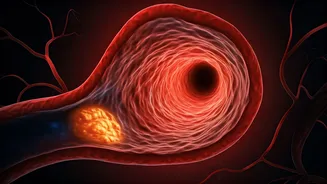
Dr. CM Nagesh explains that snow shoveling's unique danger stems from its combination of intense physical effort, cold exposure, and awkward movements. When people lift heavy, wet snow using primarily their upper body while holding their breath, it causes a rapid surge in blood pressure and heart rate. This unaccustomed, sudden exertion, unlike routine chores, can be particularly hazardous for sedentary individuals. For those with undiagnosed coronary artery disease, this intense cardiac workload can drastically reduce blood flow to the heart muscle, potentially triggering a heart attack even in seemingly fit people. Cold weather itself exacerbates this by causing blood vessels to constrict, increasing blood pressure and forcing the heart to work harder. Cold also raises stress hormones, further increasing heart rate and oxygen demand, creating a dangerous mismatch if arteries are already narrowed.
Winter Activity Precautions
To safely engage in physically demanding winter tasks like snow shoveling, it's crucial to avoid sudden, intense bursts of activity in the cold. Warming up gradually before starting any strenuous chore is essential. Snow shoveling should be broken down into shorter sessions with frequent breaks, and snow should be lifted in smaller loads. Dressing in layers helps manage the body's response to cold. Individuals with pre-existing risk factors such as high blood pressure, diabetes, a history of smoking, obesity, or a family history of heart disease should exercise extreme caution and may consider avoiding heavy snow shoveling altogether. Prompt medical attention is vital for any concerning symptoms like chest discomfort, shortness of breath, dizziness, or unusual fatigue.