
Seismic Activity Detected
The tremors originated in the mountainous terrain of Leh, Ladakh. The Richter scale registered the earthquake at a magnitude of 5.7. This measurement indicates
a moderate level of seismic activity. Earthquakes are evaluated by their magnitude, which corresponds to the total energy released during the quake. The magnitude is calculated based on the amplitude of seismic waves recorded by seismographs. Locations experiencing earthquakes, like Ladakh, are often located along active fault lines. This makes them prone to seismic activity and thus requires special attention to preparedness and safety precautions.
Impact and Response
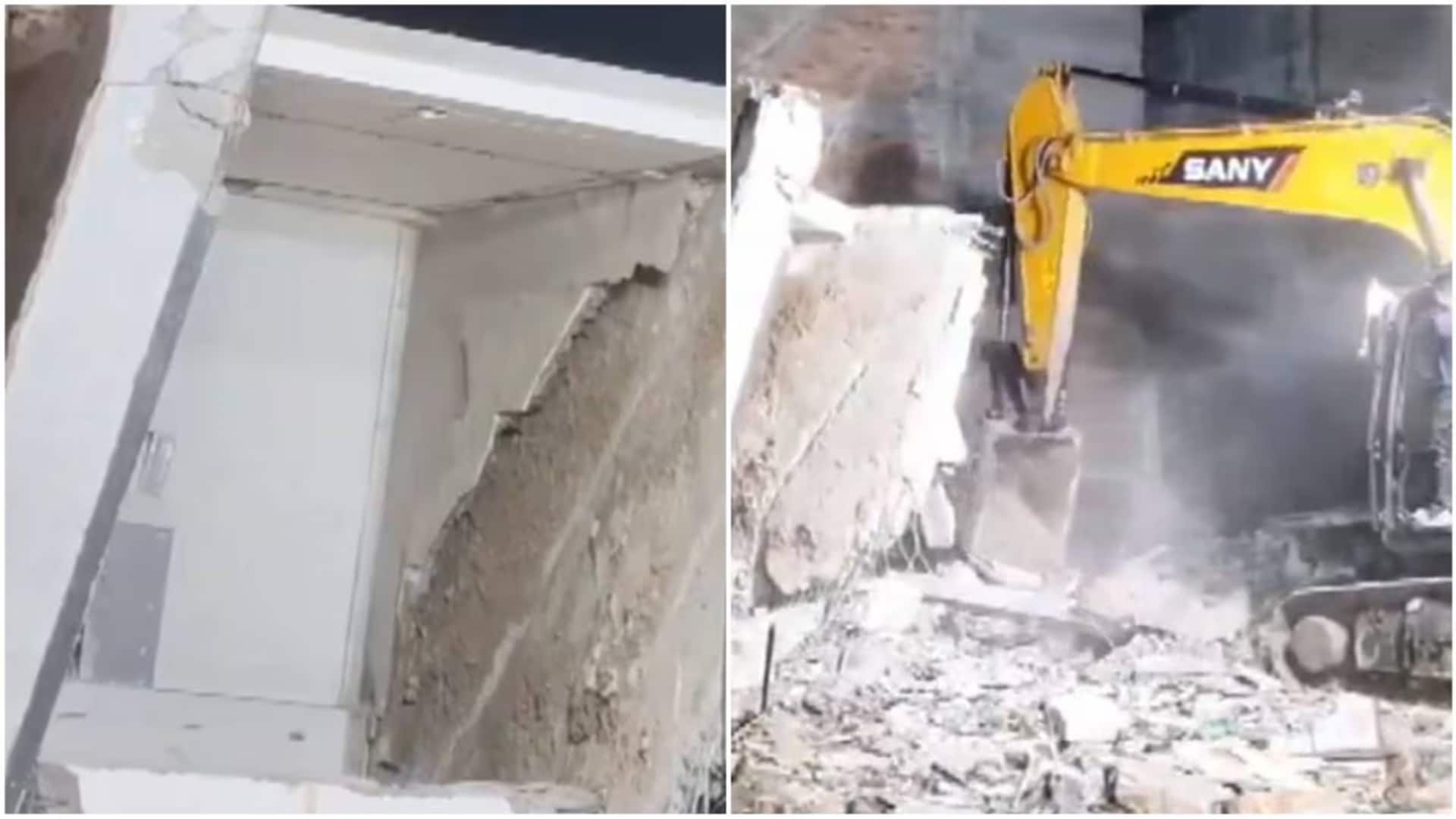
Following the earthquake, authorities and the community began assessing the situation. Initial reports focused on the level of impact and immediate safety concerns. The impact of such seismic events can vary greatly. There is the potential for structural damage to buildings, as well as the risk of landslides in mountainous areas. Emergency services respond promptly to assess the situation. This involves search and rescue operations, providing medical assistance, and evaluating the need for temporary shelters or aid distribution. The responses are generally well-coordinated to provide immediate support to the affected population.
Geological Context Explained
Ladakh is situated in a geologically active zone. This region lies in the Himalayan belt, where the Indian and Eurasian tectonic plates converge. This constant tectonic activity means earthquakes are a relatively common occurrence in the region. The collision of these plates causes immense pressure, leading to the buildup and subsequent release of seismic energy. The intensity and frequency of earthquakes are closely monitored by the Indian Meteorological Department and other geological organizations. The scientific community is constantly analyzing seismic data to improve preparedness. It helps refine early warning systems, and enhances building codes to make them more earthquake-resistant.
Preparedness and Safety
Earthquake preparedness is essential for communities in seismically active regions like Ladakh. This includes building codes that mandate earthquake-resistant construction, and also emphasizes the importance of community awareness programs. Education about earthquake safety is crucial. This can range from knowing how to secure your home to creating emergency kits. During an earthquake, the key recommendations include the 'drop, cover, and hold on' technique, which involves dropping to the ground, covering your head, and holding onto something sturdy. Regular drills and simulations help the local population practice these safety measures and be ready when these events occur.