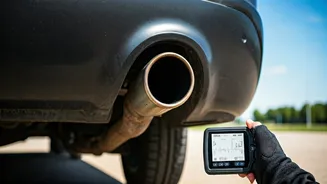









The Enforcement Begins
The 'No PUC, No Fuel' drive, a crucial element of the GRAP-4 regulations, has been implemented in Delhi. The primary objective is to clamp down on vehicles
that fail to meet pollution standards. On the very first day of this initiative, a significant number of vehicles were penalized, with the count reaching 3,700. This stringent action reflects the government's commitment to enforce environmental regulations and immediately address the escalating air pollution concerns within the national capital. The city's authorities are actively working to ensure the effective implementation of these curbs, focusing on reducing emissions from vehicles, a major contributor to Delhi's poor air quality index.
GRAP-4 Curbs in Action
The 'No PUC, No Fuel' drive is an essential component of the GRAP-4 (Graded Response Action Plan) measures designed to combat the severity of air pollution in Delhi. These measures are triggered when air quality deteriorates to hazardous levels. The recent enforcement specifically targets vehicles that do not possess valid Pollution Under Control (PUC) certificates, effectively preventing them from refueling. The penalties imposed are a clear demonstration of the strict enforcement strategy that is being undertaken to minimize the contribution of vehicular emissions to the city's deteriorating air quality, which aims to improve overall public health and environmental conditions.
Addressing Delhi's Pollution
Delhi’s administration is under pressure to tackle the consistent pollution problems faced. The 'No PUC, No Fuel' drive, marked by the enforcement action against 3,700 vehicles on the inaugural day, underscores the urgency of addressing air quality concerns. It's a proactive approach as part of a larger plan, encompassing the implementation of GRAP-4 regulations. This measure is intended to directly impact pollution levels by targeting a significant source, thus aiming to reduce the health risks associated with poor air quality. The long-term success of this and other measures will be critical in improving the air that Delhi residents breathe.