
A Royal Relic
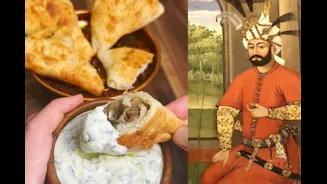
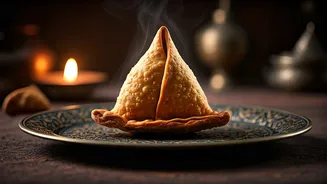
Imagine a samosa not filled with the familiar potato, but a rich concoction of roasted aubergine pulp, dried ginger, and succulent lamb slow-cooked with onions
and garlic. This is not a modern fusion experiment, but a glimpse into a 500-year-old recipe found within the 'Ni’matnama,' or 'Book of Delights.' This ancient culinary manuscript, penned between 1501 and 1510 for the Sultan of Mandu in central India, paints a picture of a samosa far removed from its current street-food status. It was a dish fit for royalty, a testament to the elaborate tastes and ingredient availability of a bygone era. Intriguingly, this recipe predates the introduction of both potatoes and chilies to India, highlighting how much our understanding and consumption of this beloved snack have evolved over the centuries. The manuscript itself has a remarkable history, having passed through the hands of influential emperors like Akbar and Tipu Sultan, eventually finding its way to the British East India Company and now resting in the British Museum, a silent witness to centuries of culinary evolution.
Evolution of a Snack
The journey of the samosa from a lavish courtly creation to a universally adored street food is a fascinating narrative woven through history, trade, and cultural exchange. While the ancient recipe prioritized a more complex and ingredient-rich profile, the modern samosa has been streamlined and adapted to suit widespread palates and accessibility. This transformation wasn't a sudden event but a gradual process influenced by evolving tastes, ingredient availability, and economic factors. As the dish moved beyond the confines of royal kitchens and traversed geographical boundaries, it shed some of its elaborate components. Ingredients like potatoes and chilies, which became integral to the samosa we know today, arrived in India much later, after the 'Ni’matnama' was compiled. This evolution underscores the dynamic nature of food, reflecting not just culinary trends but also broader societal changes, migration patterns, and the interconnectedness of cultures. Each iteration of the samosa tells a story of adaptation and innovation, making it a potent symbol of how food is intrinsically linked to history and identity.
Culinary Crossroads
The revelation of this ancient, non-potato samosa recipe has ignited considerable discussion online, bringing to the forefront the intricate relationship between food, history, and culture. Many have expressed surprise, noting that the samosa, so deeply associated with India today, has a more complex and perhaps even 'immigrant' origin story than commonly believed. This discovery challenges the perception of the samosa as a purely indigenous Indian invention, prompting a re-evaluation of its historical roots. While some netizens have offered alternative theories about its origins, such as Arab introductions from India, the evidence from the 'Ni’matnama' manuscript firmly places a version of the samosa in India at the turn of the 16th century. This vibrant debate highlights how food acts as a cultural ambassador, carrying with it narratives of trade, conquest, and adaptation across generations and continents. The samosa's journey, from a royal indulgence to a global phenomenon, serves as a compelling reminder of the layered histories embedded within our everyday meals.