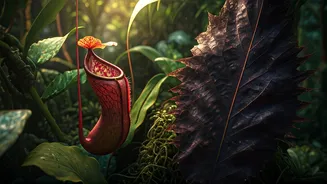







Dramatic Dark Foliage
The Black Elephant Ear showcases a departure from the typical green, boasting leaves of an almost entirely black hue. This striking, dark pigmentation
is a cultivated trait, lending the plant a bold and somewhat gothic aesthetic that sets it apart in any botanical collection. This unusual coloration isn't just for show; it's a testament to the selective breeding that can influence plant appearance, highlighting how nature's palette can extend far beyond the expected greens.
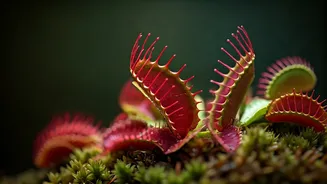
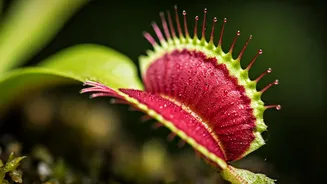
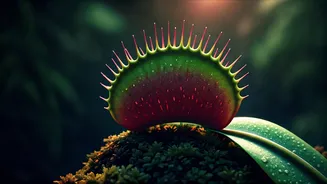
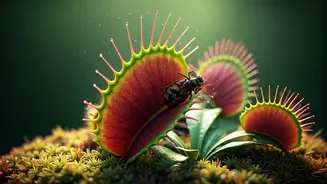
Carnivorous Cobra Lily
Mimicking the threatening posture of a viper, the Cobra Lily features distinctive, hood-shaped tubular leaves. These unique structures serve a predatory purpose, acting as sophisticated insect traps. Once a hapless insect is lured inside by visual cues and a potentially enticing scent, it finds itself unable to escape due to downward-pointing hairs lining the interior. This ingenious adaptation transforms the plant into an active hunter, deriving essential nutrients from its captured prey, demonstrating an extraordinary survival strategy in nutrient-poor environments.
Ethereal Ghost Plant
The Ghost Plant presents an almost otherworldly appearance with its pale, nearly transparent leaves. This unusual characteristic stems from a complete absence of chlorophyll, the pigment essential for photosynthesis. Instead of harnessing sunlight, this plant survives through a symbiotic relationship, drawing its sustenance from a network of fungi in the soil. This parasitic or mycoheterotrophic lifestyle gives the Ghost Plant a delicate, ethereal glow, making it a fascinating example of life not reliant on the sun's energy.
Fiery Japanese Grass
Japanese Blood Grass adds a splash of vibrant color to the landscape, with its blades tipped in an intense, fiery red. This dramatic coloration creates an illusion of flames dancing in the breeze, offering a striking visual contrast. While beautiful, this vivid appearance is accompanied by a cautionary note, as closely related varieties of this grass can be highly invasive and pose a significant fire risk, underscoring the dual nature of certain plant adaptations.
Living Stone Camouflage
Known scientifically as Lithops, these plants have evolved remarkable camouflage capabilities. Their thick, fleshy leaves are shaped and colored to perfectly resemble the surrounding pebbles and stones of their arid desert habitats. This incredible disguise serves as a crucial defense mechanism, making them virtually indistinguishable to herbivores eager for a meal. Living Stones are a prime example of natural selection favoring deception for survival in harsh, exposed environments.
Parasitic Witches' Hair
Witches' Hair presents a form that barely resembles typical foliage, appearing more like a tangled mass of spaghetti. This peculiar morphology is characteristic of a parasitic plant that lacks the need for extensive leaves for photosynthesis. Instead, it attaches itself to other host plants, siphoning off vital nutrients and water. It's even been observed to possess an uncanny ability to identify suitable hosts by their scent, further highlighting its specialized and unusual mode of existence.