





Unearthing Backyard Gas
In Jorhat, Assam, a family's quest for a water pipe took an astonishing turn, leading to the discovery of a natural gas leak in their backyard approximately
14 months prior to the report. Jitu Gogoi, the homeowner, was digging to install a water source when instead of water, a flammable gas began to emanate from the ground. Subsequent investigations confirmed it to be natural gas. This unexpected geological anomaly provided an immediate and cost-free alternative to conventional cooking fuel, alleviating the financial burden associated with purchasing LPG cylinders during periods of supply uncertainty and rising costs.
Rudimentary Cooking Setup
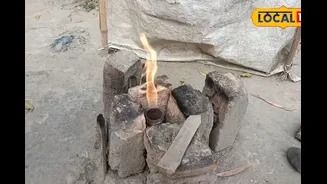
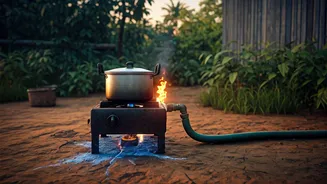
The family has been utilizing this natural gas for all their cooking needs in a remarkably basic fashion for over a year. Without any sophisticated safety equipment, regulators, or elaborate pipeline systems, the exposed pipe itself serves as the source of the flame. A simple ignition with a matchstick ignites the gas, and the flame is manually extinguished once cooking is complete. To manage the continuous leakage and prevent uncontrolled gas release, the pipe opening is loosely covered with gravel. This makeshift arrangement has facilitated not only everyday meal preparation but also more demanding tasks like cooking animal feed, offering significant financial relief.
Grave Safety Concerns
The practice of using this natural gas without any safety protocols or proper infrastructure presents substantial and immediate dangers. Natural gas is inherently flammable, and the absence of pressure regulation mechanisms means that even minor fluctuations in flow could lead to a catastrophic explosion. Furthermore, the exact composition of the gas remains unverified, raising concerns about the potential presence of toxic elements or impurities that could have detrimental long-term health effects on the family and surrounding community. The situation is exacerbated by the apparent lack of awareness or intervention from local authorities, transforming an underground gas leak into a potential disaster zone for the entire village.
Urgent Need for Intervention
What appears to be a fortunate occurrence could rapidly devolve into a severe crisis. Proper management of such a natural resource necessitates thorough scientific evaluation, stringent regulatory oversight, and the implementation of appropriate infrastructure. While the discovery holds potential if harnessed responsibly, its current unregulated state poses an imminent threat. Prompt action from relevant government departments is crucial to ensure the safety of the family and to avert a large-scale accident that could endanger the entire community. This situation underscores the critical importance of scientific assessment and regulatory control when dealing with natural resources.