







Challenging Perceptions
Many often assume that Pilates, with its slow, controlled movements and lack of heavy weights, is a less strenuous form of exercise, particularly when
compared to traditional strength training routines. The visual of a reformer session might suggest an easy workout, especially for men accustomed to high-intensity, high-impact activities. However, the reality of Pilates is far more demanding. It requires a deep, internal muscular engagement that can be surprisingly challenging. The focus on precision and control means that participants cannot simply go through the motions; every movement must be intentional and aligned, revealing underlying weaknesses in balance, flexibility, and core stability. This internal challenge is precisely what makes it a valuable, albeit underestimated, component of a comprehensive fitness regimen.
Core Power Unveiled
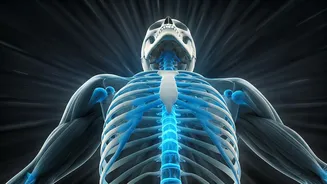
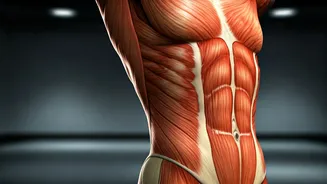
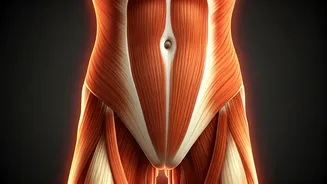
The true essence of Pilates lies in its profound impact on the core. This isn't just about achieving visible abdominal muscles; it's about activating and strengthening the deep intrinsic muscles that form the foundation of our posture, spinal health, and overall movement efficiency. For athletes like cricketer Hardik Pandya, this translates to improved stability, better control during explosive actions, and a reduced risk of injury. Pilates meticulously targets these crucial supporting muscles, ensuring a robust and resilient core that enhances functional strength. By focusing on precision and mindful engagement, practitioners develop an awareness of their body's mechanics, leading to more efficient and powerful movements both on and off the field.
Holistic Athletic Benefits
Pilates offers a comprehensive approach to athletic development that goes beyond brute strength. Its emphasis on controlled movements, proper alignment, and deep muscle activation significantly contributes to enhanced mobility and a reduced susceptibility to injuries. For athletes who rely on explosive power and agility, such as those in sports like cricket, Pilates cultivates better movement patterns. This training helps them execute their skills more effectively and safely by improving the body's ability to move efficiently and recover optimally. The controlled nature of Pilates exercises also means they can be a vital part of rehabilitation and injury prevention, offering meaningful improvements in functional strength without exacerbating existing issues.