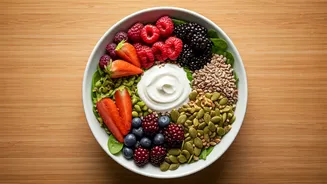








The Power of One Fruit
In the realm of health and disease prevention, sustainable habits often outweigh drastic changes. Oncologists like Dr. Vartika Vishwani advocate for a single,
straightforward daily practice: consuming one piece of fruit each day. This isn't about complex dietary overhauls, but rather about integrating a consistent, manageable habit. Dr. Vishwani emphasizes the simplicity: 'Eat one fruit a day. 1 fruit. 1 day. 1 small habit.' This recommendation stems from the understanding that while no single food acts as a magic bullet against cancer, collective dietary patterns play a crucial role in long-term health outcomes. This focused approach makes proactive health management accessible to everyone, regardless of their lifestyle, by focusing on a singular, achievable daily goal that yields significant cumulative benefits over time.
Nutrient-Rich Defense
According to Dr. K Sreekanth, a senior surgical oncologist, incorporating a daily fruit into your diet provides a wealth of protective nutrients. Fruits are packed with essential vitamins, potent antioxidants, vital fiber, and beneficial phytochemicals. These components work synergistically to fortify the body's natural defense systems, effectively counteracting oxidative stress and chronic inflammation, both of which are recognized as key contributors to the development of numerous types of cancer. Beyond cellular protection, regular fruit consumption actively supports immune system function and fosters healthier cellular processes, contributing to a more robust internal environment that is better equipped to ward off illness and maintain overall vitality.
Gut Health Champion
The significant fiber content found in whole fruits is a primary driver of digestive well-being. This fiber plays a critical role in maintaining a healthy gastrointestinal tract and fostering a diverse, thriving gut microbiome. Dr. Sreekanth highlights the growing recognition of gut health as a crucial factor in mitigating the risk of certain cancers, especially colorectal cancer. Furthermore, the fiber aids in regulating blood sugar levels and supports effective weight management. These aspects are particularly important given the established links between obesity, metabolic disorders, and an increased susceptibility to various cancers, making fruit consumption a multifaceted strategy for health improvement.
Whole Fruits Matter
It's crucial to distinguish between consuming whole fruits and relying on fruit juices or processed fruit products. Dr. Sreekanth clarifies that whole fruits deliver their full spectrum of benefits precisely because they retain their fiber alongside a balanced array of nutrients. These components work in concert to promote optimal metabolic health. The recommendation is to embrace a variety of fruits, such as apples, berries, citrus fruits, papaya, or guava, to ensure a broad intake of different protective compounds. This diversity maximizes the health advantages derived from this simple dietary addition, making it a potent strategy for proactive well-being and disease prevention.
Convenience and Satisfaction
One of the most appealing aspects of fruits is their inherent simplicity and ease of preparation. MS Dnyaneshwari Barve, who leads the nutrition and dietetics department at DPU Super Speciality Hospital, notes that fruits require minimal effort – often just a quick wash – making them an exceptionally convenient and healthy snack choice, especially for individuals with demanding schedules. Their natural sweetness can also serve as a satisfying alternative to processed snacks, curbing cravings for items high in unhealthy fats, excessive salt, and sugar. Integrating fruits daily is thus an effortless yet impactful step toward a healthier lifestyle, boosting energy and improving digestion.
A Holistic Approach
While the daily fruit habit is a powerful standalone recommendation, it thrives within a broader context of healthy living. Dr. Sreekanth reiterates that consistent dietary habits are paramount for long-term health, and fruits are a significant component. This practice should be complemented by regular physical activity, avoidance of tobacco and alcohol, mindful limitation of processed foods, and maintaining a healthy body weight. When integrated into a balanced lifestyle, the simple act of eating a fruit daily contributes substantially to overall well-being and plays a meaningful role in comprehensive cancer prevention strategies, fostering a resilient and healthy future.