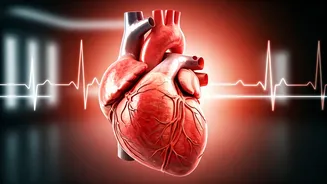





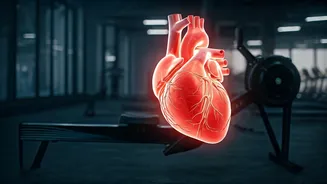

The Racing Heart Mystery
A 20-year-old student's unusually high resting heart rate of 110 beats per minute (BPM) baffled his doctors. While the normal range for adults is 60-100
BPM, with 50-70 BPM considered ideal, this young man's heart was working overtime even without apparent illness or dehydration. This alarming pace, contrasting with elite athletes who might have resting rates as low as 31 BPM, hinted at a deeper issue. His constant exhaustion and rapid pulse increase with even minimal exertion pointed towards a condition where his heart was struggling to keep up with basic bodily demands. The core reason identified was a severe lack of physical activity, leading to a state where even minor efforts caused his heart to pound, pushing his BPM to 130-140, a clear indicator of a cardiovascular system not functioning at its peak efficiency.
Understanding Cardiac Deconditioning
Cardiac deconditioning is essentially a decline in how well your heart and circulatory system function, primarily due to prolonged periods of inactivity. This can stem from a sedentary lifestyle, extended bed rest, or simply a lack of regular exercise. When the heart isn't challenged, it can shrink slightly and become less efficient. Consequently, to meet the body's oxygen and nutrient demands, it must beat at a faster rate, both when you're at rest and during even light activities. This forces the heart to work harder, consuming more energy and putting unnecessary strain on it. A resting heart rate consistently above 100 BPM is a strong indicator of this condition. Symptoms like frequent palpitations, feeling light-headed, shortness of breath, and general fatigue are common signs that your cardiovascular system is not as robust as it could be, signaling that the body is compensating for reduced efficiency.
The Science of Pulse Rate
Your pulse rate is a direct reflection of your heart's workload. A high resting pulse signifies that your heart is constantly operating in a higher gear, requiring more effort to perform everyday functions. Think of it like an engine that needs to rev higher to achieve the same output. Regular exercise fundamentally changes this. It strengthens the heart muscle, making it more efficient, allowing it to pump more blood with each beat. This means it doesn't need to beat as often to supply the body with oxygen and nutrients. As a result, your resting heart rate decreases, and your heart rate recovers more quickly after physical activity. Furthermore, consistent exercise improves your body's capacity to utilize oxygen effectively and distribute it throughout the body. A healthy, conditioned heart also contributes to lower blood pressure and reduced levels of stress hormones, both of which are vital for long-term cardiovascular well-being, effectively reducing the strain on your ticker.
Beyond Exercise: Other Factors
While a lack of exercise is a primary culprit for an elevated resting heart rate, several other factors can contribute to a pulse exceeding 100 BPM in young adults. Significant stress or anxiety can trigger the body's 'fight or flight' response, leading to an increased heart rate. Dehydration also plays a role; when your body lacks sufficient fluids, your blood volume decreases, forcing your heart to work harder to circulate blood effectively. Consuming stimulants like caffeine, or even certain cold and allergy medications, can also temporarily raise your heart rate. Furthermore, a fever, indicating an infection or illness, naturally prompts the heart to beat faster as the body fights off the ailment. These elements, often temporary, can mimic or exacerbate the effects of deconditioning, making it crucial to consider all potential influences on heart rate.
Reversing the Trend: Exercise Strategies
Fortunately, cardiac deconditioning is reversible, and the most effective solution lies in a well-structured exercise regimen. For individuals like the 20-year-old patient, a graded exercise plan is ideal, starting gently and progressively increasing intensity. This might begin with simple walking, moving to brisk walking or marching in place, and can include seated exercises like leg extensions and arm circles for those with mobility issues. Low-impact activities such as swimming or using a stationary bike are also excellent options, particularly if joint pain is a concern. For a more robust cardiovascular boost, High-Intensity Interval Training (HIIT) is highly recommended. HIIT involves short bursts of intense exercise (20-40 seconds) followed by brief recovery periods, efficiently improving fat burning and endurance in just 10-30 minute sessions. A sample HIIT routine could involve alternating two minutes of walking with one minute of jogging for several cycles. Crucially, this exercise program should be complemented by establishing healthy sleep hygiene, along with practices like yoga and meditation, to manage stress and promote overall well-being.