








US Sanctions' Shadow
The United States is reportedly considering imposing a 25% tariff on trade between India and Iran. This potential move stems from concerns over Iran's
activities and could significantly affect India's economic relations with both countries. Such a tariff could have far-reaching consequences, disrupting established trade routes and potentially impacting the profitability of Indian exports. The decision underscores the complicated geopolitical landscape India must navigate, especially when balancing relationships with different global powers that hold differing views on Iran.
Trade & Economic Impacts
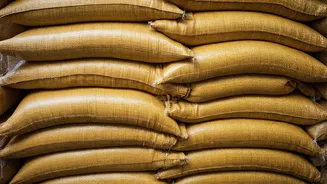
The primary area of concern for India is the potential impact on its rice exports. Indian rice exporters are expressing serious worries about the potential for financial losses should the US tariffs be implemented. The implications extend beyond just rice, as a 25% tariff could affect a range of goods traded between India and Iran. This could lead to a decline in overall trade volume and potentially impact the Indian economy. Indian businesses will need to adjust and perhaps find alternative markets or supply chains to mitigate the damage caused by these restrictions.
India's Diplomatic Balancing
India's relationship with Iran is longstanding, rooted in historical ties and strategic interests. However, India also maintains close relationships with the United States, making the situation a complex one. The government is now tasked with balancing these relationships carefully. Any decisions made on trade and diplomacy will be critical to protect India's interests while maintaining good relations with the US and other allies. The situation demands both diplomatic skills and deft maneuvering to prevent economic setbacks and maintain regional stability.
Future Considerations
The situation around the potential US sanctions highlights India's growing importance on the global stage and its need for a flexible foreign policy. Moving forward, Indian policymakers will need to consider the long-term impact on its economic growth and its standing in the international community. This could involve exploring alternative trade arrangements, strengthening ties with other nations, and engaging in active diplomacy to de-escalate tensions and protect Indian interests. The evolving scenario serves as a test of India's ability to navigate the complexities of global politics and economics in the years to come.