







Pollution's Alarming Heights
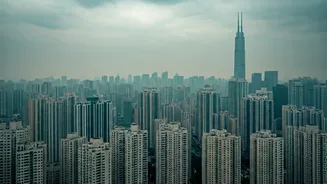
The air quality in Delhi has recently deteriorated to a dangerous state, causing considerable alarm. The Air Quality Index (AQI) has skyrocketed, hitting
498, a level classified as 'Severe Plus.' This signifies an extreme degree of pollution, posing severe health risks for the residents of the city. These high pollution levels are a significant cause for concern among environmental and health experts, triggering a need for immediate action and preventive measures to safeguard the well-being of the population. The government and relevant authorities are under immense pressure to control and minimize the adverse effects of this environmental crisis.
GRAP-IV Restrictions Implemented
In response to the alarming AQI readings, the authorities promptly initiated the implementation of GRAP-IV restrictions. The GRAP-IV, or the Graded Response Action Plan, outlines various measures and restrictions to be enforced based on the severity of air pollution. The restrictions primarily target sources contributing to pollution, such as construction activities, industrial emissions, and vehicular movement. These restrictions, including the temporary closure of construction sites and limitations on certain vehicle types, are designed to curb the pollutants. The aim is to swiftly reduce the levels of airborne contaminants and subsequently improve air quality. Enforcement of these rules is a critical step in a desperate effort to mitigate the immediate health hazards caused by the extreme air pollution.
Worker Relief Initiatives
Recognizing the impact of the pollution crisis on daily life and the livelihoods of people, the government has announced a relief package. The scheme aims to offer financial aid to workers most affected by the crisis, providing much-needed support during this difficult period. An amount of ₹10,000 has been set for those affected by the conditions to help lessen their financial worries. The financial assistance is intended to provide immediate support and to help cover medical expenses. The relief measure is a recognition of the hardship faced by numerous workers whose health and earnings are compromised by the dangerous air quality.