





Scrapping and Recycling
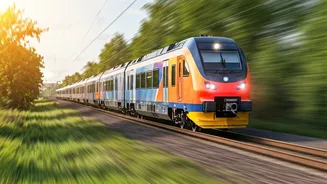
When Indian Railways trains and coaches reach the end of their operational life, they don't simply disappear. A significant portion undergoes a meticulous
scrapping process, primarily focused on recovering valuable metal, predominantly steel. This recovered metal is then channeled back into steel plants, where it's melted down and repurposed, significantly reducing the demand for newly mined resources and championing a circular economy. Beyond raw materials, the scrapping phase also involves the careful salvage of usable components. Intact doors, functional windows, intact seating arrangements, and working electrical fittings are meticulously extracted. These salvaged parts can often find a second life, utilized for essential repairs and routine maintenance on other coaches still actively serving on the rail network, thereby extending the usability of existing rolling stock.
Repurposing and Reuse
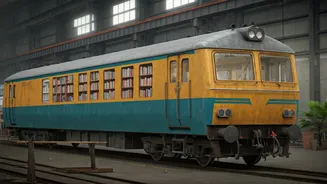
The journey of a retired train coach doesn't always end with metal reclamation; many embark on entirely new paths through repurposing. At railway depots and workshops, some coaches are ingeniously transformed into practical, albeit temporary, structures. These can serve as much-needed shelters for staff, functional office spaces, or secure storage facilities, providing valuable utility within the railway infrastructure itself. In scenarios of widespread natural disasters, these retired coaches have proven their worth as immediate, temporary housing solutions for communities displaced by calamity, offering a semblance of stability in chaotic times. More creatively, a few select coaches have been reborn as unique tourist attractions or quaint cafes, offering patrons a distinctive dining or leisure experience steeped in railway heritage. Even artistic endeavors find inspiration, with components from retired trains being imaginatively incorporated into art installations, showcasing the diverse potential of these once-transportive vehicles.
Environmental Stewardship
Beyond the immediate benefits of material recovery and reuse, the management of retired Indian Railways assets is deeply intertwined with environmental consciousness. A crucial aspect of this is the responsible disposal of non-metallic waste. Conscious efforts are made to ensure that materials which cannot be recycled or repurposed are managed in an eco-friendly manner, minimizing their impact on the environment. This commitment to recycling and sustainable disposal practices directly contributes to the Indian Railways' overarching ambition to establish 'green corridors' and advance its broader sustainability objectives. By meticulously managing the end-of-life cycle of its rolling stock, the railway network actively participates in reducing its ecological footprint and promoting a more sustainable transportation system.
The Disposal Process
The decision to retire a train or coach is not arbitrary; it follows a structured disposal process driven by rigorous inspection. Coaches and wagons are systematically withdrawn from service based on a combination of factors, including their age, overall physical condition, and the escalating costs associated with their ongoing maintenance. Once a vehicle is deemed to be beyond economical repair, it is formally 'condemned.' Following condemnation, these assets may be made available through auction. This process allows scrap dealers and other private entities to acquire the coaches and wagons for further dismantling, recycling, or whatever alternative use they deem appropriate, thereby facilitating the efficient flow of these materials back into the economy and ensuring their continued utility in some form.