






The Core Secret
The cornerstone of effective home decorating lies in understanding the interplay of light and color. It's not about expensive furniture or elaborate designs
but about how these two elements work together to shape the ambiance of a room. Natural light is a powerful asset, and by strategically managing it, you can dramatically alter the feel of your space. Consider the direction your windows face. East-facing rooms receive bright morning light, which can be balanced with cooler color palettes. West-facing rooms have warm afternoon light, benefiting from cooler colors to maintain a refreshing atmosphere. South-facing rooms often enjoy consistent light throughout the day, so you can explore a wider range of color choices. Conversely, north-facing rooms often experience diffused light. To brighten these spaces, use warmer colors and strategic lighting to counter any dimness. By paying close attention to these elements, you can design a space that’s uniquely suited to your needs and preferences, creating a harmonious and uplifting environment. This understanding forms the foundation for any home transformation endeavor.
Color Harmony Explained
Choosing the right color scheme is essential to make a space feel cohesive and aesthetically pleasing. Start by identifying a base color, which will serve as the foundation for your design. This could be the color of your walls, a large piece of furniture, or even a favorite piece of art. Once you've established your base, select two or three complementary colors that harmonize well together. Consider the color wheel, utilizing analogous colors (colors that are next to each other, like blue and green) for a soothing effect, or using complementary colors (colors that are opposite each other, like blue and orange) to add a vibrant contrast. Another effective strategy is to use the 60-30-10 rule. This involves allocating 60% of the room's color to the primary color, 30% to a secondary color, and 10% for accent colors. This balance creates a visually engaging but not overwhelming environment. Consider the existing natural light; if you have a lot of sunlight, consider bolder colors. In a dim space, lighter colors will create a more inviting feel.
Lighting: Your Ally
Lighting plays a pivotal role in shaping the mood and functionality of any room. Layered lighting is an excellent approach; it involves using a combination of different light sources to meet various needs. Start with ambient lighting, which provides general illumination for the entire space, such as overhead fixtures or recessed lights. Then, add task lighting focused on specific areas, such as a desk lamp for reading or a pendant light over a kitchen island. Finally, incorporate accent lighting to highlight features like artwork or architectural details. When choosing light fixtures, consider the color temperature of the bulbs. Warm white bulbs (around 2700K-3000K) create a cozy, inviting atmosphere, while cool white bulbs (around 3500K-4000K) provide a crisp, modern feel. The placement of your light sources is also crucial. Position lamps at different heights and use dimmers to adjust the light levels to suit different times of the day and activities. This versatile lighting strategy can help you establish the perfect mood for your space. Always make sure to experiment to find what works best for each room and your personal preferences.
Accessorizing Smartly
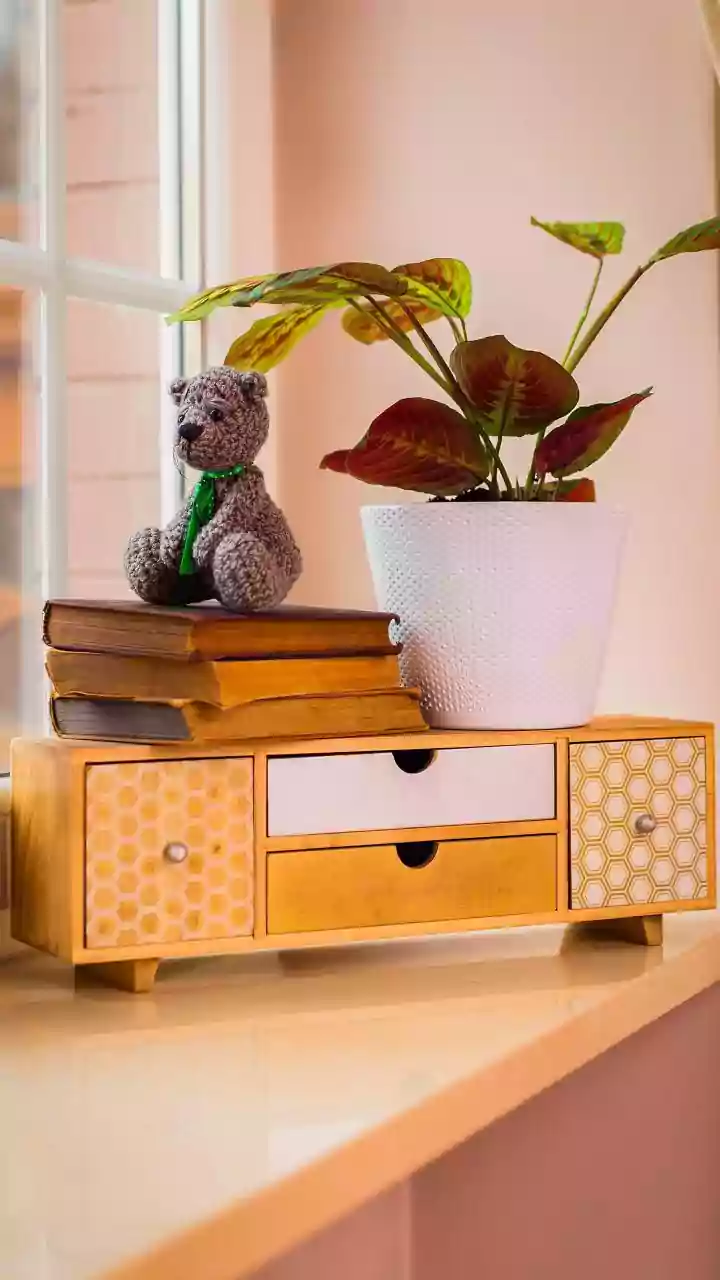
Accessories are the finishing touches that personalize your space and add character. The key is to curate them thoughtfully, rather than haphazardly. Start by decluttering, removing anything that doesn't fit your aesthetic. Then, select accessories that complement your color scheme and design style. Use a variety of textures, like plush throw blankets, woven baskets, or metallic accents, to add visual interest. Group accessories in odd numbers, such as three candles or five small picture frames, to create a more balanced and visually appealing arrangement. Consider the scale of your accessories in relation to the size of the room and the furniture. Large spaces can handle larger pieces, while smaller spaces benefit from more streamlined and less cluttered décor. Don't be afraid to add personal touches, like family photos or travel souvenirs, to make the space uniquely yours. With thoughtful curation, your accessories can truly transform a house into a home, telling your story and reflecting your personal style in every detail.
Furniture Placement Tips
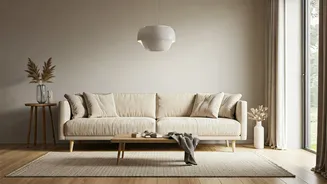
The arrangement of furniture is essential to the functionality and flow of a room. Start by considering the focal point, the element that draws your eye, like a fireplace or a large window. Arrange furniture to highlight this feature. Create zones within the room for different activities, such as a seating area for conversations, a dining area for meals, and a reading nook for relaxation. Leave ample space for movement. Ensure there's a clear path through the room, allowing people to walk easily without bumping into furniture. Place sofas and chairs to facilitate conversations, keeping a distance of about eight feet between them. In smaller spaces, consider using multi-functional furniture, such as a sofa bed or a storage ottoman, to maximize space. Utilize rugs to define different areas and anchor furniture groupings. This can help create a cohesive design. In open-plan spaces, use furniture to visually separate the areas, like placing a console table behind a sofa to create a defined entry. With strategic furniture placement, you can create a more functional, aesthetically pleasing, and inviting space.