







A Grand Debut
In the burgeoning metropolis of Bombay, February 4, 1871, marked a significant moment with the grand opening of Watson's Esplanade Hotel. This establishment
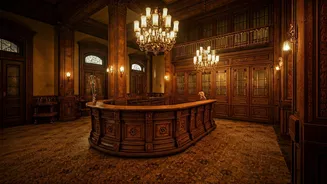
wasn't just another building; it was a harbinger of modernity and refined comfort, introducing amenities previously unseen in India. Designed by Rowland M Ordish for British owner John H Watson, the hotel was a marvel of engineering, its cast-iron structure prefabricated in England and meticulously assembled at the prestigious Kala Ghoda location. The interiors boasted opulent finishes of polished teak and mahogany, exuding a distinctly European elegance. It was a pioneering venture in luxury hospitality, standing leagues ahead of its time. The hotel was equipped with 130 rooms and 20 suites, offering a super-deluxe experience that quickly set a new standard for high-end living in colonial India, long before other iconic establishments even existed.
Technological Marvels
Watson's Esplanade Hotel distinguished itself through its embrace of cutting-edge technology for its era. It proudly featured India's inaugural steam-powered elevator, a testament to its forward-thinking design and commitment to providing unparalleled convenience and luxury. This technological prowess, combined with imported materials and advanced engineering, elevated the hotel beyond mere accommodation to a symbol of progress and innovation in Bombay. The hotel quickly became a sought-after destination for discerning European travelers and the city's own elite, drawn by its superior services. These included exquisitely refined dining options, sumptuously spacious guest rooms, and a vibrant social calendar filled with exclusive events. For close to a century, it served as a central nexus for the city's most distinguished gatherings, shaping the social landscape of Bombay.
India's Cinematic Genesis
The hallowed halls of Watson's Esplanade Hotel played an indelible role in India's introduction to the magic of cinema. In 1896, the hotel made history by hosting the nation's first-ever public film screening. Representatives of the Lumière Brothers utilized the hotel's Cinematographe projector during their global tour, presenting short films that mesmerized the Indian audience with the novelty of moving images. These early cinematic offerings were brief, typically lasting between 30 to 45 seconds, yet they represented a revolutionary leap in entertainment. Titles like 'Arrival Of A Train,' 'Leaving The Factory,' and 'The Sea Bath' were among those screened for an entry fee of just Re 1. This groundbreaking event predated Dadasaheb Phalke's landmark film 'Raja Harishchandra' by 17 years, effectively placing the hotel at the very genesis of what would grow into the world's most prolific film industry.
Distinguished Visitors
Throughout its illustrious operational period, Watson's Esplanade Hotel was a favored haunt for numerous prominent personalities, leaving its own mark on their histories. In 1896, the celebrated American author Samuel L Clemens, widely known as Mark Twain, resided at the hotel during his extensive three-month sojourn in India. He later recounted his observations of Mumbai's resident crows from his balcony in his travelogue, 'Following The Equator.' Another notable figure who frequented the hotel was Mohammed Ali Jinnah, who would later become the founder of Pakistan. It is reported that during his formative years as a legal practitioner, Jinnah occasionally played pool within the hotel premises, reportedly to supplement his income. This fascinating anecdote adds another layer to the building's already significant historical tapestry. After ceasing its hotel operations in the 1960s, the grand structure transitioned into a commercial complex, a stark contrast to its former glory.