


Vanishing Voters
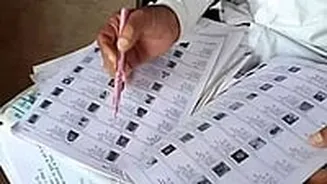
A significant electoral revision process in West Bengal has inadvertently created a crisis for the state's elderly population, with countless long-term
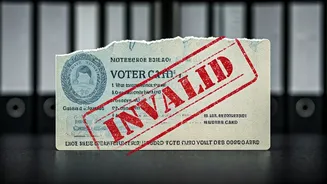
residents finding their names inexplicably removed from voter rolls. This widespread issue, stemming from what officials term "logical errors" and clerical discrepancies, spans both urban metropolises and remote rural communities, leaving a growing number of senior citizens in a state of profound emotional distress and facing arduous bureaucratic hurdles. The impact is particularly acute for individuals who have consistently participated in the democratic process for decades. For instance, an 87-year-old migrant who settled in Kolkata in 1959, Manmatha Nath Bhowmick, possessing a valid citizenship certificate and having dedicated 30 years to the Kolkata Port Trust, was shocked to discover his name had been purged. This situation is particularly bewildering as his children's names remain on the electoral register, highlighting a seemingly illogical inconsistency in the data management. His son articulates the profound absurdity, stating they are compelled to escort an elderly gentleman to government offices to validate a right he has held for over fifty years, a testament to the frustrating and dehumanizing nature of this electoral oversight.
Rural Vulnerability
The ramifications of the Special Intensive Revision (SIR) process extend severely into rural areas, posing an existential threat to the livelihoods of the elderly. In Batrigach, a village in Cooch Behar, 92-year-old Jajima Bibi, whose primary income source is herding goats, expressed deep anxiety. Her removal from the voter list could jeopardize her access to essential old-age pension benefits, which are critical for her to purchase necessary medicines. Despite possessing a voter identification from 2006 and an up-to-date Aadhaar card, Jajima Bibi was classified as 'unmapped.' The subsequent administrative fallout has also negatively impacted her family's legal standing. Although her name was initially included in adjudication lists, it subsequently vanished from the final supplementary roll. Disturbingly, a recent sweep conducted under "Logical Discrepancy" notices led to the deletion of nearly her entire family, including her grandson, Anikul Miya, who has special needs. This cascading effect underscores the devastating reach of these systemic errors, leaving vulnerable individuals and their families in precarious positions.
Seeking Redress
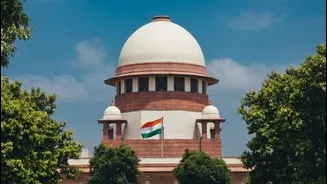
For individuals like Manmatha Nath Bhowmick and Jajima Bibi, the Joka Tribunal has emerged as a critical last resort. This judicial body is currently tasked with the complex responsibility of examining intricate cases where citizenship and residency are being called into question due to pervasive data mismatches. These tribunals represent the final avenue of recourse for citizens facing the daunting prospect of being rendered invisible by the SIR process, a stark consequence of flawed electoral roll management. Election officials have indicated that the appeal process is designed to rectify "systemic errors." However, for the most vulnerable segments of the population, the onus of proving their identity and eligibility remains an extraordinarily burdensome and emotionally taxing ordeal. The scale of the issue is considerable, with over 90 lakh names having been removed during the SIR exercise, resulting in a significant reduction of the total voter count in West Bengal from 7.66 crore to 6.75 crore before the revision commenced.