





Hydration is Key
As temperatures climb, particularly in India where mercury often exceeds 40 degrees Celsius, prioritizing hydration becomes paramount. Dr. Sriram Nene
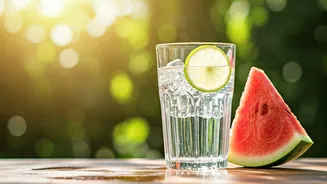
emphasizes that thirst is a late signal of dehydration; proactive drinking is essential. Aim for a daily intake of 3-4 liters of water, as recommended by Dr. Nene. This doesn't mean chugging large amounts infrequently. Instead, adopting a strategy of taking small, consistent sips throughout the day is far more effective. Think of it as a continuous supply for your body's cooling system. Beyond plain water, incorporating water-dense foods like watermelon, cucumber, oranges, and strawberries is highly beneficial. These fruits not only contribute to your fluid intake but also provide essential vitamins and minerals that help regulate body temperature. Additionally, options like coconut water, which is rich in electrolytes, herbal teas like chamomile or green tea for their antioxidant properties, and even buttermilk can significantly aid in maintaining hydration levels and replenishing lost nutrients. Adding natural flavors with fruits, mint, or cucumber can make water more appealing, encouraging higher consumption. This comprehensive approach to fluid intake is the first line of defense against heat-related illnesses.
Smart Summer Diet
Complementing a robust hydration strategy, your dietary choices play a crucial role in managing the summer heat. Dr. Nene suggests making water-rich foods a staple in your meals. Think of incorporating salads with plenty of cucumber and lettuce, or enjoying refreshing fruit platters. Soups and smoothies, especially those made with cooling fruits and vegetables, are excellent options to increase your fluid and nutrient intake. These choices are not only hydrating but also packed with vitamins and minerals that support your body's ability to cope with high temperatures. Conversely, it's advisable to moderate your consumption of beverages that can lead to dehydration. This includes reducing the intake of coffee, energy drinks, and sodas. These drinks often contain high levels of caffeine and sugar, which can exacerbate dehydration, leading to feelings of lethargy and bloating. By focusing on natural, cooling foods and beverages, you can support your body's internal temperature regulation and feel more energetic throughout the hot months.
Protective Measures
Beyond what you consume, actively protecting yourself from the direct impact of the sun and heat is critical. Experts advise seeking shade and minimizing exposure to direct sunlight, especially during the peak hours between 12 p.m. and 4 p.m. when the sun's rays are most intense. When venturing outdoors, it's essential to wear protective clothing. Opt for lightweight, loose-fitting garments made from breathable fabrics like cotton, which allow for better air circulation and help keep your skin cool. Sunscreen application is another vital protective layer, shielding your skin from harmful UV radiation and preventing sunburn, which can further dehydrate your body and increase your discomfort. For those who find it challenging to consistently track their water intake, utilizing hydration alarms or apps can be a practical solution. Adhering to the '8x8 rule,' which suggests drinking eight glasses of 8 ounces of water daily, provides a quantifiable target. By combining these preventive actions – staying in the shade, wearing protective attire, using sunscreen, and employing tools to monitor hydration – you create a robust shield against the adverse effects of the summer heat.