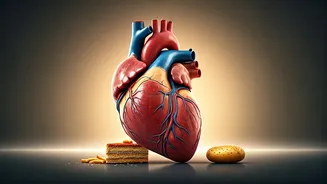





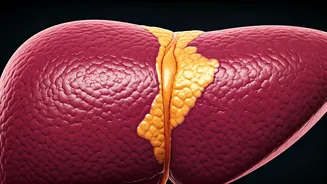

The Silent Heart Threat
Heart disease is a growing concern in India, striking individuals a decade earlier than in Western populations. This rapid onset and high mortality rate
are not fully explained by conventional risk factors. The culprit often lies in our daily eating habits, where seemingly minor food choices can accumulate over time to promote inflammation, insulin resistance, visceral fat gain, and arterial damage, often without any noticeable symptoms until a critical event occurs. Dr. Brijmohan Arora, a New Delhi-based diabetologist, has pinpointed five prevalent dietary mistakes that contribute to this silent damage, emphasizing that these choices can wreak havoc on the heart from the inside out, with symptoms only manifesting at the point of a heart attack.
Five Diet Traps
Dr. Arora identifies five specific dietary mistakes that silently undermine heart health. These include the consumption of seed oils, ultra-processed or packaged foods, sugary beverages, refined grains like white bread and pasta, and processed meats. According to him, these food items are primary drivers of insulin resistance, systemic inflammation, unhealthy visceral fat accumulation, and damage to the arteries. By eliminating these from one's diet, individuals can proactively improve their metabolic health and consequently lower their risk of heart disease. The core message is that a healthy metabolism is key to preventing heart attacks.
Evidence and Nuance
While the link between diet and cardiovascular disease is well-established, it's crucial to understand that overall dietary patterns, rather than single foods, determine risk. Large-scale studies confirm that high intake of processed meats and refined carbohydrates is associated with increased heart disease due to high levels of saturated fats, sodium, preservatives, and rapid blood sugar spikes that disrupt metabolic function. The scientific outlook on seed oils is more complex; replacing saturated fats with unsaturated fats, often found in vegetable oils, can be beneficial for lowering LDL cholesterol when consumed moderately. Issues arise when these oils are subjected to repeated high-heat cooking or are predominantly consumed within ultra-processed food products.
Context Matters
The impact of specific foods on heart health is significantly influenced by quantity, preparation methods, and the overall balance of one's diet. Occasional indulgence in foods like seed oils within an otherwise healthy eating plan is unlikely to pose a substantial risk. However, frequent consumption, coupled with a sedentary lifestyle, smoking, and obesity, dramatically elevates the risk of heart disease over time. This highlights the importance of a holistic approach to diet and lifestyle, rather than focusing solely on individual food items.
Inflammation's Role
Insulin resistance and chronic low-grade inflammation are central to the development of modern cardiovascular ailments. When the body becomes resistant to insulin, blood sugar and insulin levels remain elevated, which can damage the lining of blood vessels, promote the formation of arterial plaques, and accelerate atherosclerosis. Simultaneously, persistent inflammation can destabilize existing plaques, increasing the likelihood of rupture and triggering heart attacks. The good news is that both these processes are highly manageable. Dietary changes, such as reducing refined sugars, limiting ultra-processed items, increasing fiber intake, and including healthy fats from sources like nuts, seeds, and fatty fish, can lead to significant improvements in insulin sensitivity within weeks to months. Complementary lifestyle changes like weight loss, regular exercise, and adequate sleep further enhance these benefits.