





The LPG Dilemma
Recent geopolitical events in West Asia have disrupted traditional fuel supplies, leading to LPG shortages and black market activity across India. This
instability has prompted many households to seek alternative cooking methods, with a notable shift towards electric cooktops like induction and infrared. Online retailers have reported a dramatic increase in sales, with induction cooktops experiencing up to an eighteen-fold surge compared to pre-crisis levels. The government has also initiated discussions to boost the production of these appliances and their compatible cookware, signaling a potential long-term change in domestic energy consumption patterns. While this transition offers a temporary reprieve from LPG volatility, it introduces new pressures on the nation's electricity infrastructure, particularly as the country braces for its typically high summer energy demand.
Induction Cooktop Insights
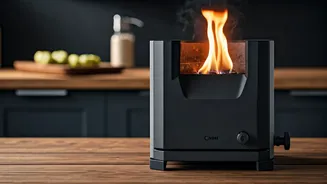
Induction cooktops are emerging as a practical alternative, often priced comparably to a single LPG cylinder on the black market (around Rs 3,000-4,000). Unlike conventional gas stoves, they utilize electricity to heat cookware directly, circumventing the need for open flames. Their operation relies on generating a rapidly fluctuating electromagnetic field. When a compatible metal pan is placed on the cooktop, it interacts with this field. The pan's inherent electrical resistance then creates friction among its moving electrons, directly converting this kinetic energy into heat. Crucially, not all cookware is suitable; induction works best with ferromagnetic materials like cast iron or magnetic stainless steel. However, these specialized utensils can be more expensive, potentially deterring those seeking only a temporary switch to electric cooking.
Infrared Cooktop Functionality
Infrared cooktops are gaining popularity, despite a higher initial cost, due to their broader cookware compatibility. Instead of relying on magnetism, these cooktops use a heated coil beneath a glass surface. This coil generates radiant heat, which warms any type of pot or pan, including those made from steel, aluminum, glass, and ceramic, without requiring specific magnetic properties. This versatility has fueled their demand, with Amazon India noting a nearly four-fold increase in sales. In essence, electricity heats a coil or halogen element embedded beneath the glass. This element glows red-hot, emitting invisible infrared radiation. This radiation passes through the glass and is absorbed by the cookware, causing its molecules to vibrate and generate heat for cooking.
Efficiency and Control Differences
When comparing efficiency, induction cooktops generally outperform infrared models. Induction cooktops convert an impressive 85% to 95% of electricity directly into heat for the vessel, minimizing energy loss. In contrast, infrared cooktops operate at approximately 70% to 80% efficiency, as heat undergoes multiple transfers—from coil to glass, then to cookware—leading to greater dissipation into the surroundings. Consequently, induction units typically consume less electricity for the same cooking task. A significant differentiator also lies in heat control. Induction cooktops employ sophisticated power electronics, such as rapid switching or frequency adjustments, to precisely regulate heat, maintaining efficiency even at low settings like simmering. Infrared cooktops often use phase-angle control, where the heating element is switched on and off intermittently. While this method is simpler, it can distort the current waveform, reducing the power factor and increasing overall energy losses in the grid.
Grid Infrastructure Strain
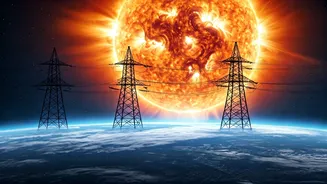
The widespread adoption of electric cooktops introduces substantial pressure on India's power grid. Experts highlight that the concern isn't solely the increased overall demand, but also the timing and localization of this demand. Cooking activities are heavily concentrated during morning and evening hours, and even a modest surge of 3-5 GW during these peak periods can severely tax local distribution networks. Existing infrastructure in many regions isn't designed to handle such rapid and localized increases in load. An industry insider points out that clusters of households or eateries switching to electric cooking can overload critical components like distribution transformers, leading to power outages and necessitating costly upgrades. If this trend persists, it will demand sustained infrastructure development and robust power sourcing to meet the growing, persistent demand for electricity.
Summer Load and Policy
With India anticipating a hotter-than-normal summer, the increased electricity consumption from electric cooktops compounds existing challenges. The government typically relies on coal-fired power plants to meet peak demand during such periods and has previously invoked emergency measures to ensure full capacity operation of both gas and coal plants. The additional load from electric cooking, particularly concentrated during the already strained evening hours, could exacerbate the situation. Addressing this growing demand requires strategic interventions, including potential subsidies for electric cooktops, incentives for upgrading electrical infrastructure, and ensuring a stable, affordable electricity supply. Furthermore, educating consumers on the efficient use of induction and infrared cooktops is vital for mitigating their impact on the power grid.